
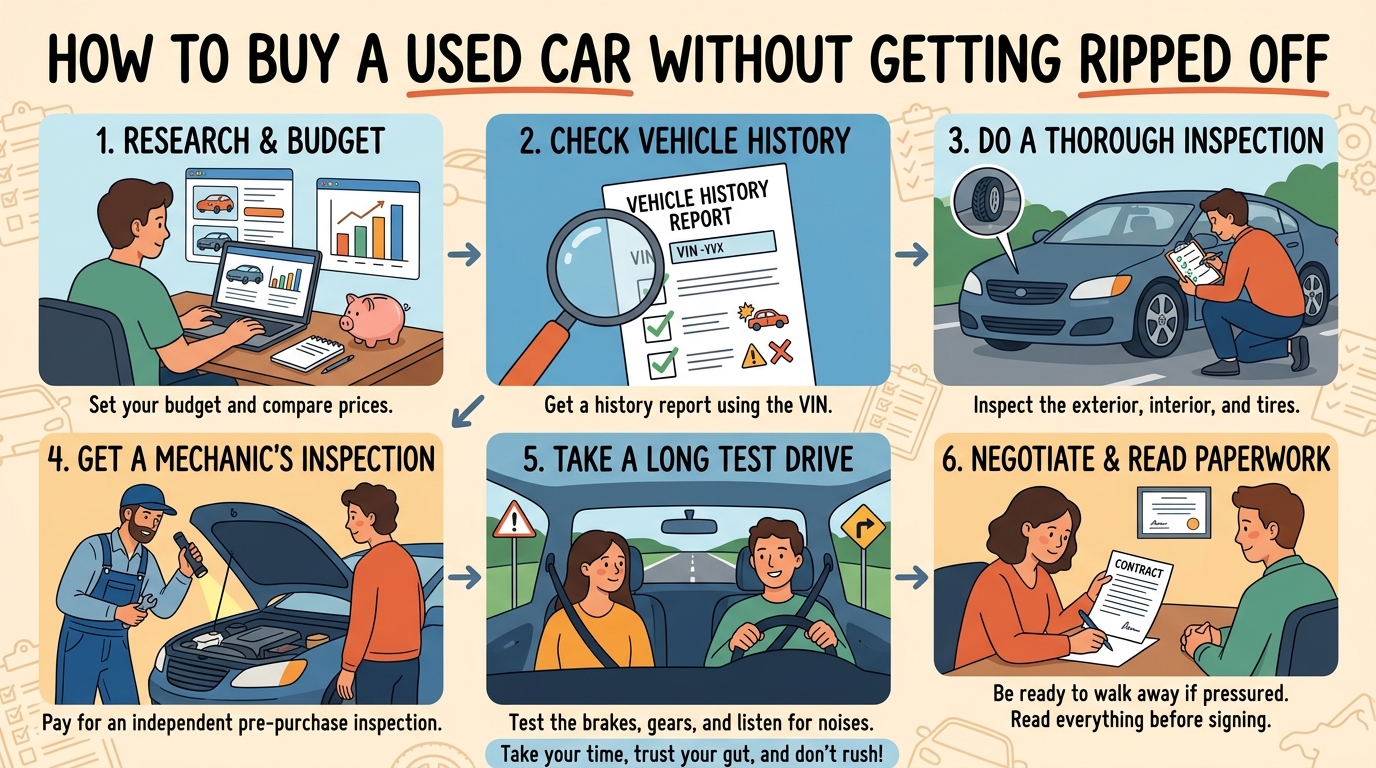
Buying a used car can be a smart financial decision, but the fear of getting ripped off can often make the process daunting. However, with the right knowledge and preparation, you can navigate the used car market with confidence and secure a great deal. In this guide, we will explore tips and strategies to help you buy a used car without falling victim to common pitfalls and scams.
Setting Your Budget
Setting your budget is a critical step in the process of buying a used car. Before you start looking at specific vehicles, take the time to evaluate your finances and determine how much you can realistically afford to spend. Consider factors such as your income, monthly expenses, savings, and any other financial obligations you may have.
When setting your budget, make sure to account for not just the purchase price of the car, but also ongoing costs such as insurance, maintenance, and fuel. It’s important to strike a balance between finding a car that meets your needs and staying within your financial means. By establishing a clear budget from the outset, you can narrow down your options and focus on finding a used car that fits both your lifestyle and your wallet.
Finding Reliable Sellers
When looking to buy a used car, finding a reliable seller is crucial to ensure a smooth and trustworthy transaction. One of the best ways to find reliable sellers is to explore reputable platforms and websites dedicated to buying and selling used cars. Websites like Autotrader, Cars.com, and Craigslist can provide a wide selection of vehicles from both dealerships and private sellers.
It is also recommended to seek out certified pre-owned vehicles from authorized dealerships, as they often undergo thorough inspections and come with warranties for added peace of mind. Additionally, asking for recommendations from friends, family, or colleagues who have had positive experiences with specific sellers can help you narrow down your options and find trustworthy individuals or businesses to purchase from.

Checking the Vehicle History
Checking the vehicle history is a crucial step when buying a used car to ensure that you are making a wise investment. One way to obtain the vehicle history is by using the vehicle identification number (VIN) provided by the seller. You can use online services that offer detailed reports on the car’s past, including accidents, maintenance records, and title history.
It is important to look out for any red flags in the vehicle history report, such as a salvage title, odometer discrepancies, or a history of major accidents. By reviewing the vehicle history thoroughly, you can make an informed decision and avoid potential issues down the road. Additionally, you can also consider hiring a professional mechanic to inspect the car and provide insights based on their expertise. Overall, checking the vehicle history is a crucial step in the used car buying process to ensure you are getting a reliable and safe vehicle.
Inspecting the Car
Inspecting the car thoroughly is crucial before making a purchase decision. Start by checking the exterior for any signs of damage, such as dents, scratches, or rust. Look closely at the paint job to see if it’s consistent and free of any mismatched colors, which could indicate previous repairs. Inspect the tires for wear and make sure they are all matching brands and have adequate tread depth.
Move on to the interior and test all the features and functions. Sit in the driver’s seat and adjust the mirrors, seats, and steering wheel to ensure everything works properly. Test the air conditioning, heating, radio, and any other electronics to make sure they are all functioning. Don’t forget to check the upholstery for any tears, stains, or odors that could be challenging to remove. Finally, pop the hood and inspect the engine bay for any leaks, corrosion, or unusual smells that could indicate underlying issues.
Negotiating the Price
When it comes to negotiating the price of a used car, it’s important to do your research beforehand to understand the market value of the vehicle you are interested in. This will give you a good starting point for negotiations and help you determine a fair price to aim for. Keep in mind that sellers often list their cars at a higher price than they are willing to accept, so be prepared to haggle.
During negotiations, be respectful but firm in stating your offer. Point out any issues or discrepancies you have identified during the inspection process that may justify a lower price. Be willing to walk away if the seller is not willing to meet your desired price, but also be open to compromise if it means reaching a fair deal for both parties. Remember that negotiating is a give-and-take process, so be prepared to make concessions while also sticking to your budget and priorities.
Finalizing the Purchase
Finalizing the purchase of a used car is a crucial step in the buying process. Once you have inspected the car, negotiated the price, and are satisfied with the deal, it’s time to complete the transaction. Make sure to have all the necessary documents ready, such as the title, bill of sale, and any warranty information. Verify that the seller has all the paperwork in order and that there are no outstanding issues with the vehicle.
Before finalizing the purchase, it’s essential to arrange for payment. This can be done through various methods, such as cash, certified check, or online payment. Ensure that the payment method is secure and that you receive a receipt for the transaction. Once the payment is made, make sure to get the keys, all relevant documents, and any spare parts or accessories that were included in the deal. Finally, don’t forget to update the ownership details with the relevant authorities to complete the purchase process legally and ensure a smooth transition of ownership.