
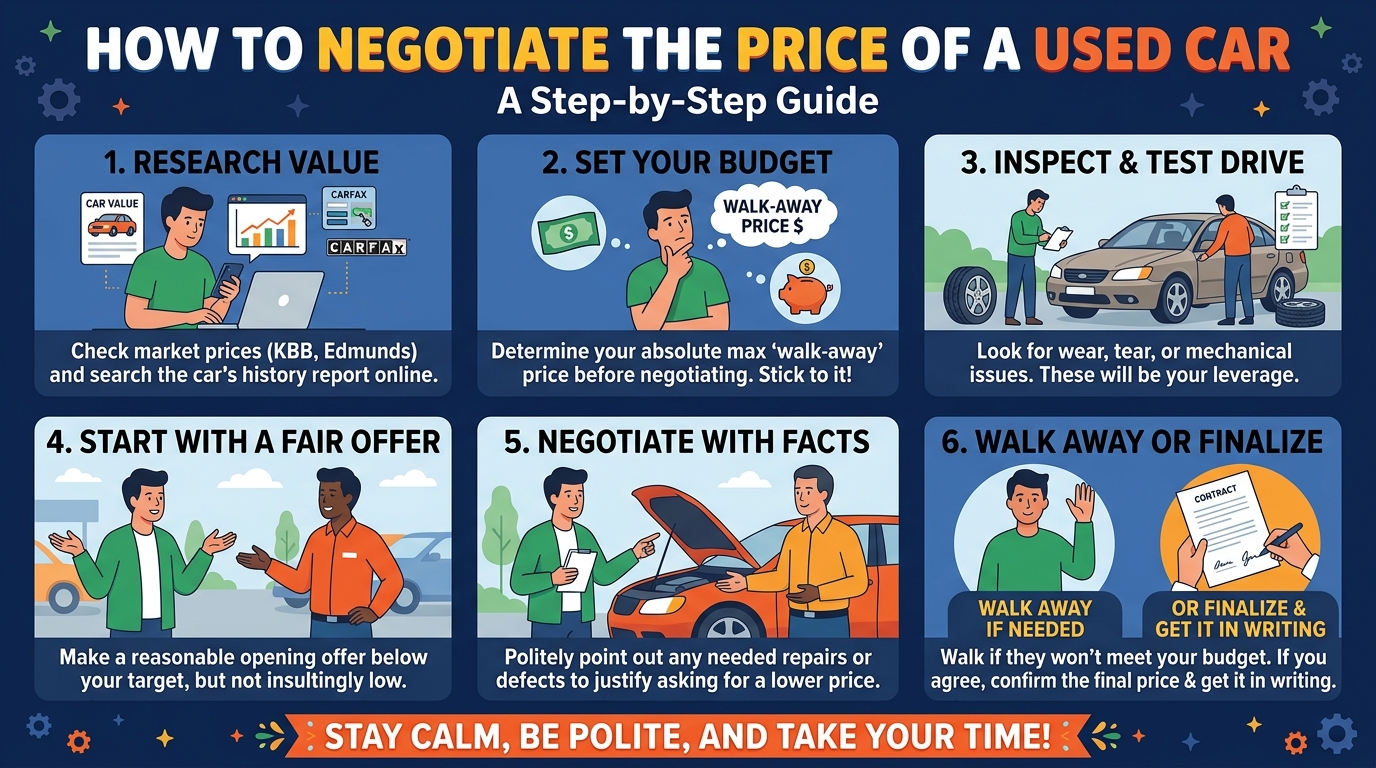
Negotiating the price of a used car can be a daunting task for many, but with the right strategies and tips, you can save yourself a significant amount of money. Whether you’re a seasoned negotiator or a first-time buyer, mastering the art of negotiation can make a big difference in the final price you pay for your dream car. In this guide, we will explore proven techniques that will empower you to confidently negotiate the price of a used car and walk away with a great deal.
Researching the Market Value
Researching the market value of a car is crucial before making a purchase to ensure you are getting a fair deal. Start by looking at online resources such as Kelley Blue Book, Edmunds, or NADA Guides to get an estimate of the car’s value based on factors like make, model, year, mileage, and condition. Additionally, consider checking local listings to see what similar cars are being sold for in your area.
Take note of any trends or fluctuations in prices for the specific model you are interested in. Keep in mind that factors such as location, seasonality, and demand can affect the market value of a car. By doing thorough research, you will be better equipped to negotiate with sellers and make an informed decision on whether the asking price aligns with the current market value.
Setting Your Budget
Setting a budget is a crucial step when buying a car to ensure you stay within your financial means. Begin by evaluating your current financial situation, including your income, expenses, and any existing debts. Determine how much you can comfortably afford to allocate towards a car payment each month without straining your finances.
Consider all costs associated with owning a car, such as insurance, maintenance, and fuel, in addition to the purchase price. Factor in potential additional expenses like registration fees and taxes. It’s also wise to leave room in your budget for unexpected costs that may arise. By setting a realistic budget, you can narrow down your options and focus on finding a vehicle that meets both your needs and financial capabilities.

Inspecting the Car
Inspecting the car thoroughly before making a purchase is crucial to ensure you are getting a reliable vehicle. Start by checking the exterior for any signs of damage, such as dents, scratches, or rust. Inspect the tires for wear and tear, ensuring they have adequate tread depth and are properly inflated. Look under the hood to check for any leaks, corrosion, or other issues with the engine.
Next, move on to the interior of the car. Test all the electronic components, such as the radio, air conditioning, and power windows, to ensure they are in working order. Check the upholstery for any tears or stains. Take the car for a test drive to evaluate its performance, including acceleration, braking, and handling. Finally, consider getting a professional mechanic to conduct a thorough inspection to identify any hidden problems that may not be immediately apparent.
Making an Offer
Making an offer on a car is a crucial step in the buying process. Once you have researched the market value of the vehicle and inspected it thoroughly, it’s time to make your move. Your offer should be based on the fair market price, taking into account the condition of the car, any repairs needed, and your budget. It’s essential to be prepared to negotiate and be flexible in your approach.
When making an offer, be clear and concise about your terms. Present your offer confidently, stating the price you are willing to pay and any conditions you may have, such as a timeline for closing the deal or specific requests for additional services. Be prepared for the seller to either accept, reject, or counter your offer. Remember to stay polite and professional throughout the negotiation process to increase the chances of reaching a mutually beneficial agreement.
Handling Counteroffers
Handling counteroffers in a car negotiation is a crucial step in reaching a mutually agreeable price. When the seller presents a counteroffer, it’s essential to carefully evaluate the new price and terms. Consider the reasons behind the counteroffer – the seller may be trying to maximize their profit or genuinely seeking a fair deal. Assess your own budget and desired price range to determine if the counteroffer aligns with your financial boundaries.
Responding to a counteroffer requires a strategic approach. You can choose to accept the new terms, propose a counter-counteroffer, or walk away from the negotiation if the price exceeds your limit. Effective communication and negotiation skills are key in this stage to ensure a successful outcome. Remember to remain respectful and open to compromise while advocating for your best interests. By handling counteroffers tactfully, you can navigate the negotiation process smoothly and potentially secure a favorable deal on the car you desire.
Closing the Deal
Closing the deal is the final step in the process of buying a car. This stage involves signing all necessary paperwork, transferring payment, and taking possession of the vehicle. It is crucial to ensure that all documentation is in order and that both parties fully understand the terms of the sale before finalizing the deal.
During the closing process, it is essential to carefully review the sales contract, warranty information, and any additional documents related to the purchase. Verify that all agreed-upon terms are accurately reflected in the paperwork and seek clarification on any discrepancies. Once everything is in order, complete the payment, obtain the keys, and take possession of your new vehicle. Closing the deal smoothly and efficiently ensures a positive buying experience and sets the stage for enjoying your new car.