
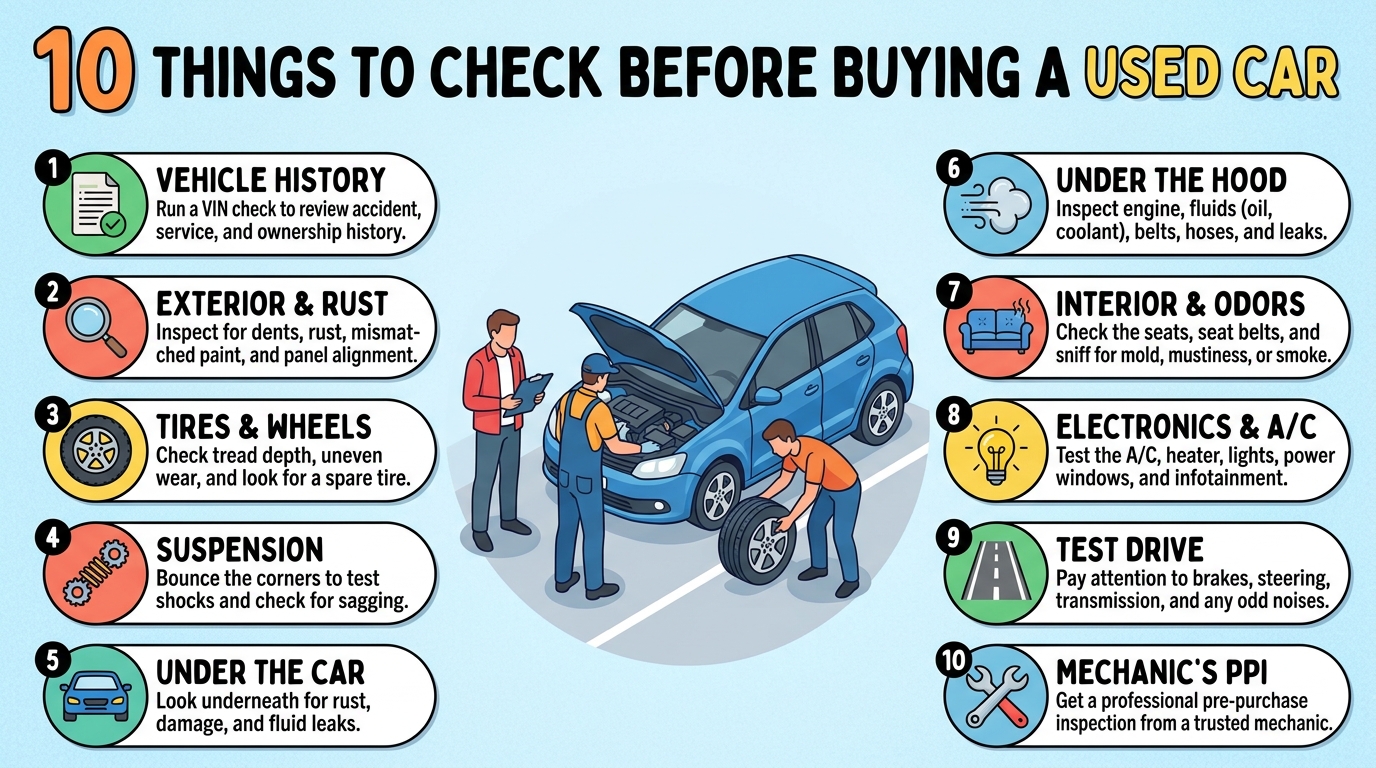
When it comes to purchasing a used car, there are several key factors to consider to ensure you are making a wise investment. By taking the time to thoroughly inspect and verify certain aspects of the vehicle, you can avoid potential pitfalls and make a more informed decision. In this guide, we will highlight the top 10 things to check before buying a used car, helping you navigate the process with confidence and peace of mind.
Mileage
Mileage is an important factor to consider when evaluating a used car. It provides insight into how much the vehicle has been driven and can impact its overall condition and potential longevity. Lower mileage generally indicates less wear and tear on the engine, transmission, and other critical components. However, extremely low mileage on an older car may also suggest that it has been sitting unused for extended periods, which can lead to its own set of issues such as deteriorating rubber seals or gaskets.
On the other hand, higher mileage cars may have more wear on their parts, requiring more frequent maintenance and potential repairs. It’s essential to assess how well the car has been maintained in relation to its mileage, as regular servicing can help mitigate the effects of high mileage. Ultimately, the mileage of a used car should be considered alongside other factors such as maintenance records, driving conditions, and overall vehicle condition to make an informed decision.
Car History Report
A car history report is an essential document that provides valuable information about a vehicle’s past. This report typically includes details such as previous accidents, ownership history, service records, and any reported damage. By reviewing the car history report, potential buyers can gain insights into the vehicle’s overall condition and make informed decisions about purchasing.
When evaluating a car history report, pay close attention to any red flags such as major accidents, title issues, or odometer discrepancies. These factors can impact the safety, reliability, and resale value of the vehicle. It is recommended to obtain a car history report from a reputable provider to ensure the accuracy and completeness of the information. Taking the time to review the car history report can help buyers avoid potential risks and ensure they are making a smart investment in a used vehicle.

Mechanical Inspection
Mechanical inspection is a crucial step in evaluating the overall condition of a vehicle before making a purchase. This inspection involves a detailed assessment of the engine, transmission, brakes, suspension, and other key components to ensure they are in good working order. A certified mechanic or inspection service should be enlisted to thoroughly examine the vehicle and provide a comprehensive report on its mechanical health.
During the mechanical inspection, it is important to pay close attention to any signs of wear and tear, leaks, unusual noises, or warning lights on the dashboard. Additionally, the inspection should include a test drive to assess how the vehicle performs under normal driving conditions. By conducting a thorough mechanical inspection, buyers can make informed decisions and potentially avoid costly repairs down the road.
5. Interior and Exterior Condition
Assessing the interior and exterior condition of a vehicle is crucial when considering a purchase. Start by examining the exterior for any signs of damage, such as dents, scratches, or rust. Check the paint quality and ensure that it is consistent throughout the car. Inspect the tires for wear and tear, and look for any signs of uneven tread wear which could indicate alignment issues.
Moving to the interior, check the condition of the seats, dashboard, and other interior components. Look for any rips, stains, or unusual odors. Test all the electronic components, such as the air conditioning, radio, and power windows, to ensure they are in working order. Lastly, inspect the trunk space for any signs of water damage or rust. A thorough examination of the interior and exterior condition will give you a better understanding of the overall maintenance and care the vehicle has received.
6. Test Drive
Test driving a car is a crucial step in the process of buying a vehicle. It allows you to experience firsthand how the car performs on the road, how it handles different driving conditions, and how comfortable it is for you as the driver. During the test drive, pay attention to the engine performance, braking system, steering responsiveness, and overall ride comfort. Take the car on different types of roads such as highways, city streets, and bumpy roads to get a comprehensive feel of how it behaves.
Additionally, test out the car’s features and amenities such as the air conditioning, audio system, navigation system, and any other technology the car may have. Make sure the car fits your lifestyle and driving needs. Take your time during the test drive and don’t hesitate to ask the seller or dealer any questions that may arise. A thorough test drive is essential in ensuring that you are making an informed decision when purchasing a car.
Negotiation Tips
Negotiating the price of a car can be a daunting task, but with the right approach, you can secure a good deal. Here are some tips to help you navigate the negotiation process:
1. Do Your Research: Before entering into negotiations, make sure you have a good understanding of the market value of the car you are interested in. Research similar models, their prices, and any additional features that may affect the value.
2. Set a Budget and Stick to It: Determine the maximum amount you are willing to pay for the car and be firm in your negotiations. Avoid being swayed by emotional tactics or pressure from the seller.
3. Be Prepared to Walk Away: If the seller is not willing to meet your price or negotiate further, be prepared to walk away. Sometimes, showing that you are willing to walk can prompt the seller to reconsider their offer.
4. Focus on Total Cost: Instead of just focusing on the monthly payments, consider the total cost of the car, including taxes, fees, and any extras. Negotiate based on the total cost to ensure you are getting the best deal.