
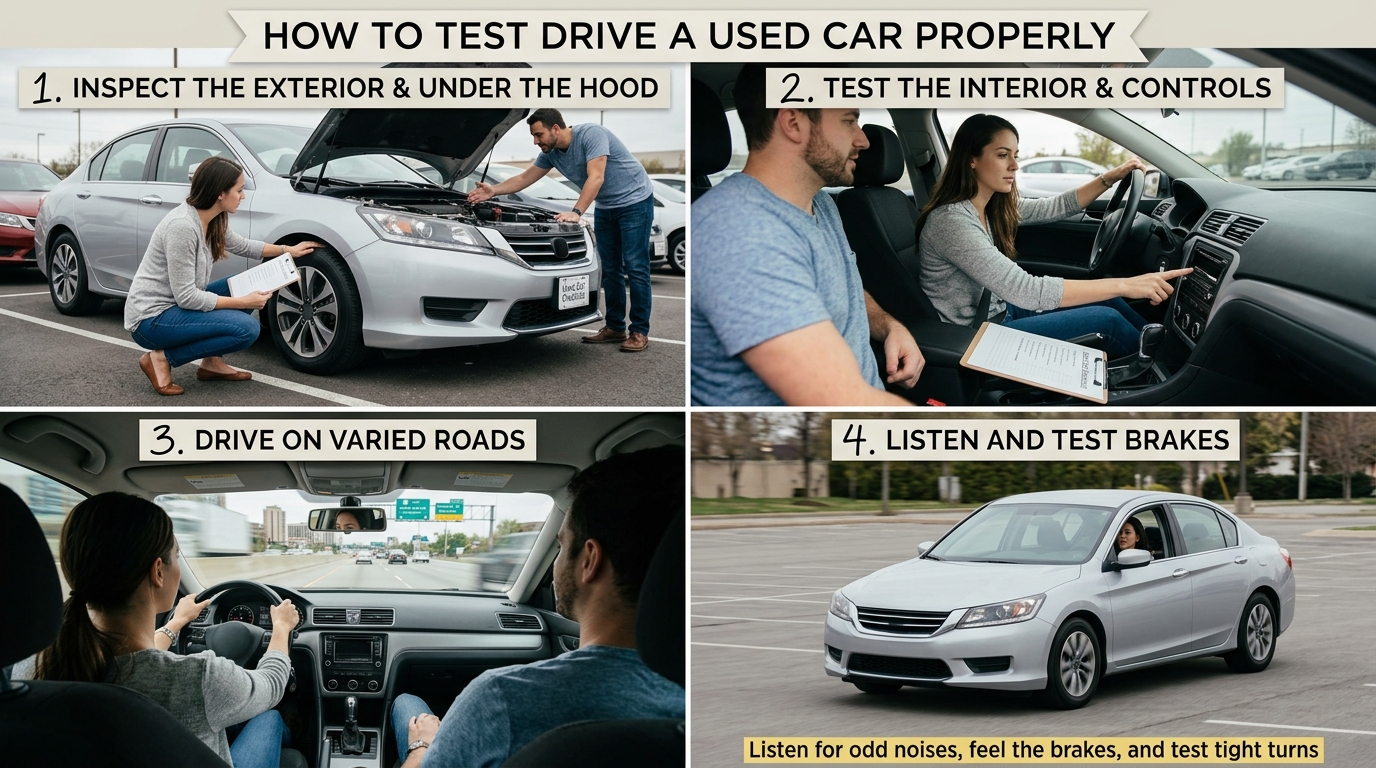
When it comes to purchasing a used car, one of the most crucial steps is to test drive it properly. A test drive is your opportunity to get a feel for the vehicle, assess its condition, and ensure it is the right fit for you. By following some key tips and guidelines, you can make the most out of your test drive experience and make an informed decision.
2. Inspecting the Exterior
Inspecting the exterior of a car is crucial when evaluating its overall condition and potential value. Start by checking the body panels for any signs of damage, such as dents, scratches, or rust. Look closely at the paint job to see if there are any inconsistencies or areas where the paint is chipping or fading. Inspect the windshield and windows for cracks or chips that may lead to further issues down the line.
Move on to examine the tires, making sure they have adequate tread depth and are wearing evenly. Check for any bulges or cuts in the tire sidewalls, as these could indicate potential safety hazards. Inspect the lights, including headlights, taillights, and turn signals, to ensure they are functioning properly. Lastly, take a look underneath the car for any signs of leaks or damage to the undercarriage.
3. Checking the Interior
Checking the interior of a car is crucial when evaluating its overall condition and value. Start by inspecting the seats for any signs of wear, tears, or stains. Check the dashboard for any cracks or damage, and ensure that all controls and buttons are functioning properly. Look for any unpleasant odors inside the car that may indicate underlying issues.
Inspect the condition of the carpeting and floor mats to see if they are clean and in good shape. Make sure to test all interior features such as the air conditioning, heating, radio, and navigation system. Additionally, check the functionality of the windows, mirrors, and seat adjustments. A well-maintained interior not only adds to the comfort of the driving experience but also reflects how well the car has been cared for by its previous owner.
Testing the Engine
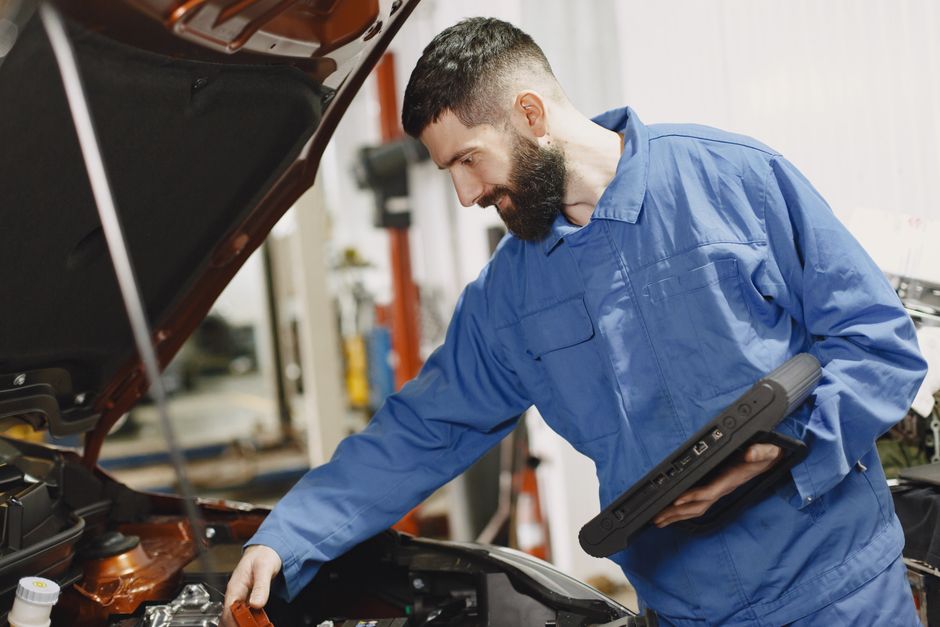
Testing the engine is a crucial step in the process of buying a used car. Before starting the engine, it’s important to check the oil level and condition. Low oil levels or dirty oil can be indicators of poor maintenance or potential engine issues. Once the oil check is done, start the engine and listen for any unusual noises such as knocking, ticking, or rattling. These noises could be signs of engine problems that may require further inspection.
After the engine is running, check for any visible smoke coming from the exhaust. A small amount of white smoke at startup may be normal, but persistent or colored smoke (blue, black, or white) could indicate issues such as oil leaks, burning coolant, or a problem with the combustion process. Additionally, it’s essential to test the acceleration and overall performance of the engine during a test drive to ensure it operates smoothly and efficiently.
5. Taking a Test Drive
One crucial step in the process of buying a car is taking a test drive. This allows you to experience firsthand how the vehicle handles on the road, its acceleration, braking, and overall comfort. During the test drive, pay attention to how the car responds to your commands, such as steering input and braking, to get a feel for its performance and responsiveness. Additionally, test driving the car in various road conditions, such as city streets and highways, can give you a better understanding of how it behaves in different scenarios.
It’s important to take your time during the test drive and not rush through it. Feel free to ask the seller any questions you may have about the car’s features and performance during the test drive. Remember to test out the car’s various features, such as the air conditioning, sound system, and other amenities, to ensure they are in good working order. Taking a thorough test drive can help you make a more informed decision when evaluating whether the car meets your needs and expectations.
6. Evaluating the Performance
Evaluating the performance of a car is crucial when considering a potential purchase. Start by examining the acceleration, braking, and handling of the vehicle. Test the acceleration by observing how quickly the car reaches desired speeds and how smoothly it transitions between gears. Next, evaluate the braking system by testing how responsive and effective it is, especially in emergency situations. Pay attention to the handling of the car, looking for stability around corners and ease of steering.
Additionally, assess the fuel efficiency of the car by reviewing the manufacturer’s specifications and comparing them to real-world driving conditions. Consider factors such as city and highway mileage, as well as any eco-friendly features the vehicle may have. Overall, a thorough evaluation of the performance aspects will help you make an informed decision about the car’s capabilities and suitability for your needs.
7. Negotiating the Price
Negotiating the price of a car is a critical step in the buying process as it directly impacts how much you will pay. Before entering negotiations, it’s essential to research the market value of the car you’re interested in, taking into account factors such as the model year, mileage, condition, and any additional features. Having this information at hand will help you make a reasonable offer and negotiate effectively with the seller.
During negotiations, it’s important to remain polite and respectful while also being firm about your budget and desired price. Remember that negotiating is a two-way street, so be prepared to compromise to reach a mutually beneficial agreement. Keep in mind that the final price should reflect the value of the car and the terms of the sale, so be sure to review all aspects of the deal before finalizing the purchase.