
Deciding whether to repair or replace your car can be a tough decision. It’s a choice that many car owners face at some point, and the answer isn’t always clear-cut. Factors such as the age of the car, the extent of the damage, and the cost of repairs all play a role in making this decision. In this post, we’ll explore the key considerations to help you determine when it’s best to repair your car and when it might be time to start thinking about a replacement.
Cost Considerations for Car Repairs
Car repairs can vary significantly in cost depending on the type of repair needed, the make and model of the vehicle, and the labor rates of the repair shop. Routine maintenance tasks such as oil changes and brake pad replacements are generally more affordable compared to major repairs like engine or transmission replacements. It’s essential to get multiple quotes from different mechanics or repair shops to ensure you are getting a fair price for the work needed.
Another cost consideration for car repairs is whether to use original equipment manufacturer (OEM) parts or aftermarket parts. While OEM parts are typically more expensive, they are designed specifically for your vehicle make and model, ensuring a proper fit and performance. On the other hand, aftermarket parts may be more affordable but could vary in quality and compatibility. Understanding the cost implications of different repair options can help you make an informed decision that suits your budget and needs.
Benefits of Repairing Your Car
Extended Vehicle Lifespan: One of the main benefits of repairing your car is the potential to extend its lifespan. By addressing issues promptly, you can prevent further damage and keep your vehicle running smoothly for a longer period of time. Regular maintenance and repairs can help you avoid major breakdowns and costly replacements.
Cost-Effective: Repairing your car can be a cost-effective solution compared to replacing it. In many cases, the cost of repairs is significantly lower than purchasing a new vehicle. By investing in repairs when needed, you can save money in the long run and maximize the value of your current vehicle. Additionally, regular maintenance and repairs can help prevent more expensive problems down the line.
Signs Your Car Needs Replacement
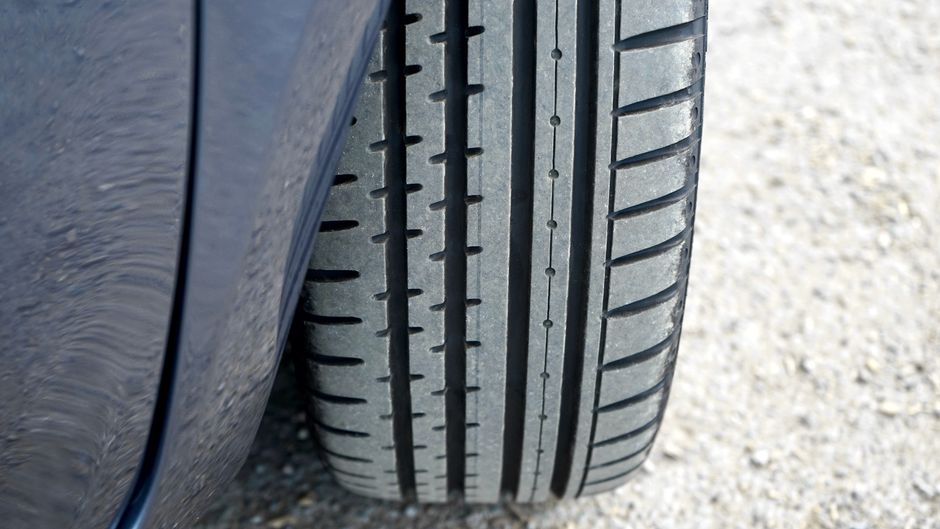
Increasing Repair Costs: One of the main signs that your car may need replacement is when the cost of repairs starts to add up. If you find yourself constantly spending money on fixing various issues with your vehicle, it may be more cost-effective in the long run to invest in a new car. Consider the age and mileage of your current vehicle when assessing whether it’s time for a replacement.
Safety Concerns: Another important sign that your car needs replacement is when it no longer meets safety standards. If your vehicle has significant structural damage, worn-out safety features, or has been involved in multiple accidents, it may not be safe to drive anymore. Your safety and the safety of others on the road should always be a top priority when deciding whether to replace your car.
Cost Considerations for Car Replacement
Cost is a significant factor when considering replacing your car. The expense of purchasing a new vehicle can vary greatly depending on the make, model, features, and condition of the car. In addition to the initial cost, you must also factor in ongoing expenses such as insurance, maintenance, fuel, and registration fees. It’s essential to create a comprehensive budget that includes all these costs to determine if replacing your car is financially feasible.
Another cost consideration for car replacement is depreciation. New cars typically depreciate quickly in the first few years of ownership, losing a significant portion of their value. Understanding how depreciation will affect the overall cost of owning a new car is crucial. Researching the expected depreciation rates for different makes and models can help you make an informed decision about whether replacing your car is the best financial choice in the long run.
Benefits of Replacing Your Car
Improved Safety: One of the primary benefits of replacing your car is the potential for increased safety. Newer vehicles are equipped with advanced safety features such as lane departure warning, automatic emergency braking, and blind-spot monitoring, which can help prevent accidents and protect you and your passengers.
Enhanced Reliability: As vehicles age, they are more prone to breakdowns and mechanical failures. By replacing your car with a newer model, you can enjoy improved reliability and peace of mind knowing that you are less likely to experience unexpected breakdowns on the road. This can save you time, money, and the inconvenience of dealing with frequent repairs.
Making the Decision: Repair or Replace Your Car
Deciding whether to repair or replace your car can be a tough choice, especially when faced with significant repair costs. One factor to consider is the age of your car and its overall condition. If your vehicle is relatively new and well-maintained, it may make more financial sense to invest in repairs rather than replacing it. On the other hand, if your car is older and has a history of frequent breakdowns, replacing it might be a more practical option in the long run.
Another important factor to consider is the cost of repairs compared to the value of your car. If the cost of repairs exceeds the current value of your vehicle, it may be wiser to replace it. Additionally, consider your future needs and how long you plan to keep the car. If you foresee more costly repairs down the line, it might be better to replace your car now to avoid ongoing expenses. Ultimately, the decision to repair or replace your car should be based on a careful evaluation of your current situation and future plans.