
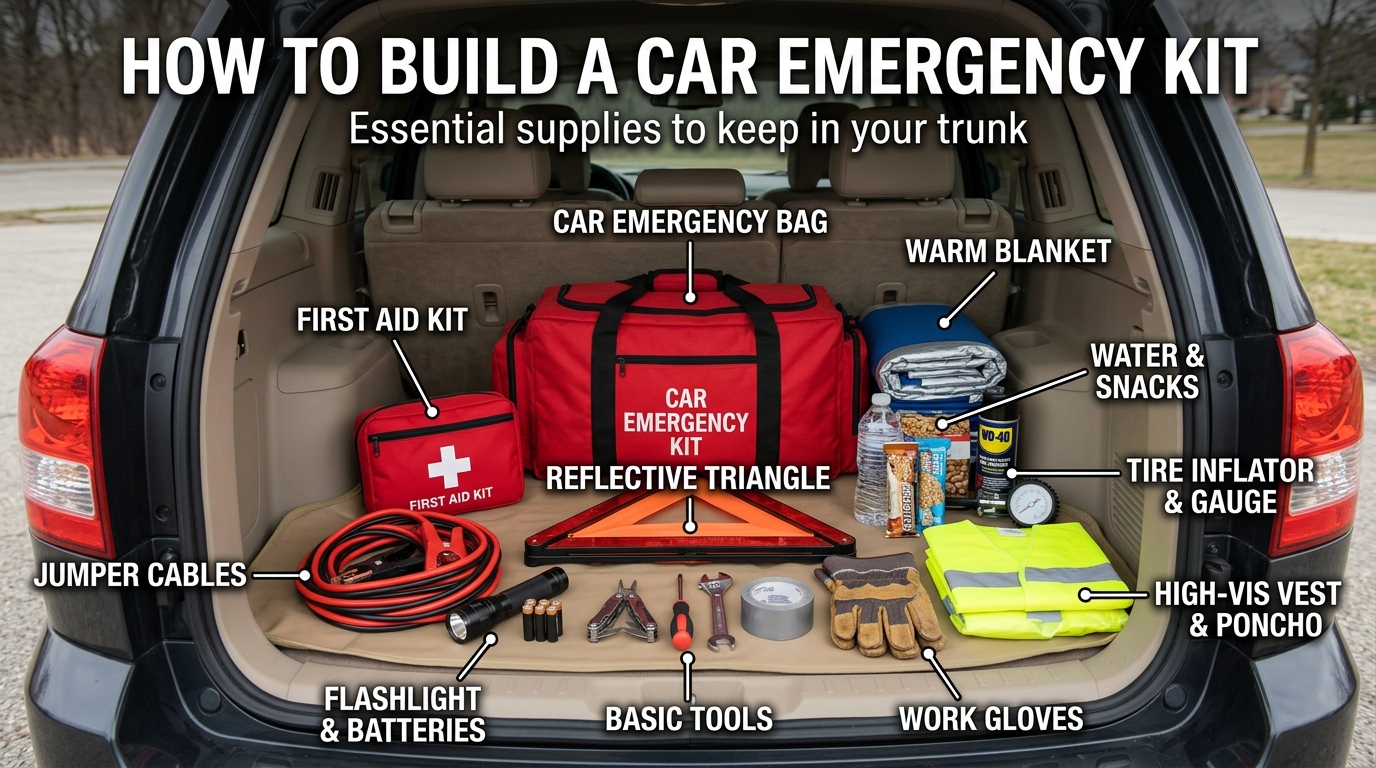
Keeping detailed car repair records is essential for maintaining the health and longevity of your vehicle. By documenting each service, repair, and maintenance task, you not only ensure the safety and performance of your car but also potentially save money in the long run. These records can provide valuable insights into your car’s history, help you stay on top of routine maintenance, and assist you in making informed decisions about future repairs or upgrades. In this guide, we will explore the importance of keeping car repair records and provide you with practical tips on how to effectively organize and maintain them.
2. Tips for Organizing Car Repair Records
1. Choose a System: Determine a system that works best for you to organize your car repair records. This could be a physical folder, a binder, a digital folder on your computer, or a dedicated app.
2. Keep It Consistent: Create a consistent method for recording information such as dates of service, type of repair or maintenance, costs, and the name of the service provider. Consistency will help you easily track and reference past repairs.
3. Use Categories or Labels: Organize your records by using categories or labels such as routine maintenance, major repairs, recalls, or upgrades. This will help you quickly locate specific information when needed.
4. Store Important Documents Safely: Keep receipts, invoices, warranties, and any other related documents in a safe and easily accessible place. Consider making digital copies as backups to prevent loss.
Benefits of Maintaining Car Repair Records
Maintaining car repair records can provide numerous benefits to vehicle owners. Firstly, it helps in tracking the maintenance history of the car, which is crucial for ensuring optimal performance and longevity of the vehicle. By keeping detailed records of all repairs and maintenance activities, owners can identify patterns and potential issues early on, preventing major breakdowns and costly repairs.
Secondly, having organized repair records can increase the resale value of the vehicle. Prospective buyers are often interested in the maintenance history of a car, and a well-documented record can boost confidence in the vehicle’s condition and reliability. Additionally, maintaining car repair records can help with warranty claims and ensure that all necessary services are performed on time, extending the lifespan of the vehicle.
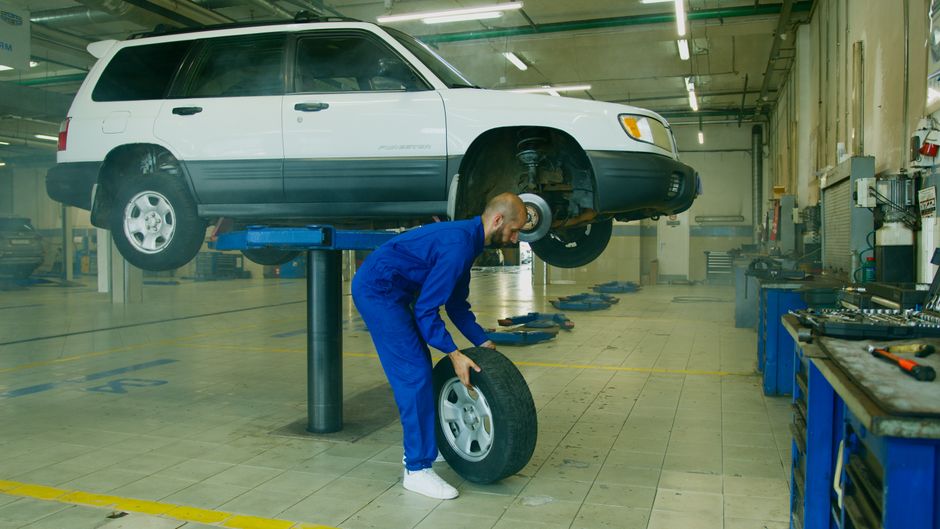
Common Mistakes to Avoid in Recording Car Repairs
When it comes to recording car repairs, there are several common mistakes that should be avoided to ensure accurate and useful documentation. One common mistake is failing to document all repairs and maintenance activities. It’s important to record not only major repairs but also routine maintenance tasks like oil changes and tire rotations. By keeping a comprehensive log, you can track the overall health of your vehicle and identify any patterns or issues that may arise.
Another mistake to avoid is being unclear or vague in your descriptions. When recording car repairs, be specific about the work done, parts replaced, and any issues encountered. This level of detail can be invaluable in the future when referencing past repairs or communicating with mechanics. Lastly, make sure to keep your records organized and easily accessible. Whether using a physical logbook or digital tool, having a system in place will help you stay on top of maintenance tasks and make informed decisions about your vehicle.
Recommended Tools for Tracking Car Maintenance
1. Vehicle Maintenance App: Consider using a dedicated vehicle maintenance app to keep track of your car’s service history, upcoming maintenance tasks, and expenses. These apps often provide reminders for oil changes, tire rotations, and other routine services, helping you stay on top of your car’s maintenance schedule.
2. Spreadsheet Software: Utilizing spreadsheet software like Microsoft Excel or Google Sheets can be an effective way to create a customized maintenance log for your vehicle. You can input information such as service dates, mileage, performed tasks, and costs, allowing you to easily track and analyze your car’s maintenance history.
3. Maintenance Log Book: For those who prefer a more traditional approach, a printed maintenance log book can be a simple yet efficient tool for tracking car maintenance. These log books typically come with pre-formatted sections for recording service details, making it easy to document each maintenance task as it occurs.
How to Use Technology for Managing Car Repair Records
Utilizing technology for managing car repair records can streamline the process and help you stay organized. One effective way is to use dedicated car maintenance apps or software that allow you to input and track all repair and maintenance activities. These tools often offer features like reminders for upcoming services, cost tracking, and the ability to store important documents like receipts and service records electronically.
Another option is to utilize cloud storage services to keep digital copies of your car repair records. By scanning or taking photos of documents and storing them securely in the cloud, you can access them from any device with an internet connection. This method not only saves physical space but also ensures that your records are safe from damage or loss. Additionally, using spreadsheets or databases on your computer can help you create detailed logs of repairs, expenses, and service history for easy reference.
Steps to Create a Comprehensive Car Repair Log
Creating a comprehensive car repair log is essential for tracking and managing your vehicle’s maintenance history effectively. To start, gather a durable notebook or create a digital spreadsheet to record all details related to your car repairs. Begin by documenting the date of each repair, the name and contact information of the mechanic or repair shop, and a detailed description of the work performed.
Include information on parts replaced, repairs made, and any additional services provided. It is also crucial to note the mileage of your vehicle at the time of each repair, as well as the total cost incurred. Organize your log chronologically to easily track the maintenance timeline of your car. Regularly update your repair log with new entries to ensure it remains up to date and accurate for future reference.