

When you see that ominous flashing check engine light on your dashboard, it’s natural to feel a sense of concern and uncertainty. This small yet powerful indicator can signal a range of potential issues with your vehicle, from minor issues to more serious mechanical problems. Understanding what a flashing check engine light means can help you address the issue promptly and prevent further damage to your car. Let’s delve into the significance of this warning light and what steps you should take when it starts blinking.
Common Causes of a Flashing Check Engine Light
A flashing check engine light can be a cause of concern for any vehicle owner as it indicates a potentially serious issue that needs immediate attention. One common cause is a misfiring engine, which can be due to issues such as a faulty spark plug, ignition coil, or fuel injector. Another common culprit is a failing catalytic converter, which can lead to decreased engine performance and increased emissions.
Other frequent causes of a flashing check engine light include a malfunctioning oxygen sensor, a loose gas cap, or problems with the mass airflow sensor. It is crucial to address these issues promptly to prevent further damage to the engine and ensure the vehicle runs smoothly and efficiently.
Effects of Ignoring a Flashing Check Engine Light
Ignoring a flashing check engine light can have serious consequences for your vehicle. The check engine light is designed to alert you to potential issues with your vehicle’s engine or emissions system. When the light is flashing, it indicates a more severe problem that requires immediate attention. Ignoring a flashing check engine light can lead to further damage to your engine, potentially resulting in costly repairs or even engine failure.
Continued driving with a flashing check engine light can also impact your vehicle’s performance and fuel efficiency. The issue causing the light to flash may be affecting crucial components of your engine, resulting in decreased performance and increased fuel consumption. Addressing the problem promptly can help maintain your vehicle’s overall performance and prevent further damage.
Steps to Take When Your Check Engine Light is Flashing
1. Safety First: When your check engine light starts flashing, it indicates a serious problem with your vehicle that needs immediate attention. The first step is to safely pull over to the side of the road and turn off your engine. Ignoring a flashing check engine light can cause severe damage to your engine and put you at risk of a breakdown.
2. Check Gas Cap: Sometimes a loose or damaged gas cap can trigger the check engine light to flash. Check the gas cap to ensure it is tight and in good condition. If the cap is loose, tighten it and see if the light stops flashing. If not, move on to the next step.
3. Avoid Driving: It is not recommended to drive your vehicle with a flashing check engine light as it can lead to further damage. Contact a professional mechanic or roadside assistance service to have your vehicle inspected and diagnosed. They will be able to identify the root cause of the issue and provide the necessary repairs to get your vehicle back in working condition.
5. How to Diagnose a Flashing Check Engine Light
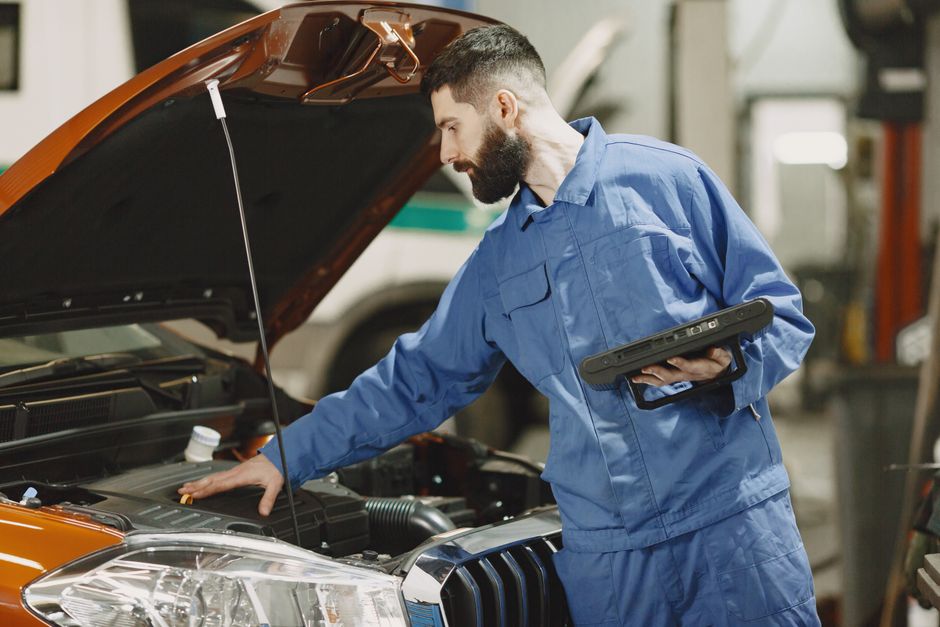
Diagnosing a flashing check engine light can be crucial in determining the underlying issue with your vehicle. The first step is to use an OBD-II scanner to retrieve the trouble codes stored in the vehicle’s computer system. These codes can provide valuable information about the specific problem that is causing the check engine light to flash.
Once you have retrieved the trouble codes, it is important to research and interpret them to understand the potential issues with your vehicle. You can use online resources or consult with a mechanic to get a better understanding of what the codes mean and what actions need to be taken to address the problem. In some cases, the issue may be minor and easily fixable, while in other cases, it may require professional diagnosis and repair. By diagnosing the flashing check engine light promptly and accurately, you can prevent further damage to your vehicle and ensure its continued performance and safety on the road.
Tips for Preventing a Flashing Check Engine Light
Regular Maintenance: One of the best ways to prevent a flashing check engine light is to stay on top of your vehicle’s regular maintenance schedule. This includes routine oil changes, air filter replacements, spark plug inspections, and other recommended services. By keeping your car in good working condition, you can minimize the chances of triggering the check engine light.
Use High-Quality Fuel: Using high-quality fuel can help prevent issues with your engine that may lead to a flashing check engine light. Lower-quality fuels can leave behind deposits that can affect engine performance and trigger warning lights. Opting for top-tier gasoline from reputable stations can help keep your engine running smoothly and reduce the risk of encountering problems.
Conclusion
The check engine light is a crucial indicator of potential issues with your vehicle. Ignoring a flashing check engine light can lead to severe consequences, including damage to the engine and other vital components. It is essential to address the underlying problem promptly to prevent further damage and costly repairs.
By taking immediate action, following the necessary steps, and seeking professional help when needed, you can ensure the longevity and performance of your vehicle. Regular maintenance, timely repairs, and staying proactive in addressing any warning signs can help you avoid a flashing check engine light and keep your vehicle running smoothly for years to come.