
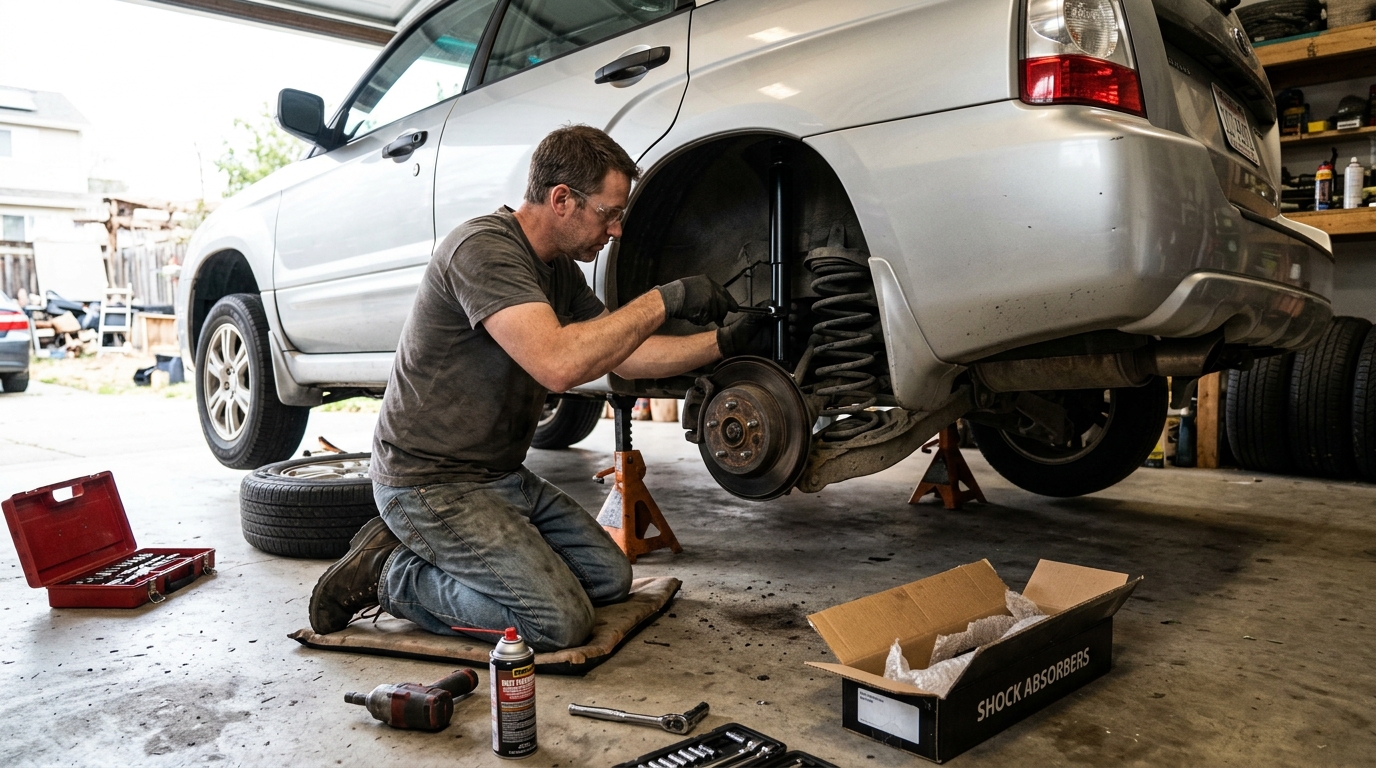
“Discover the secrets to a smoother ride and improved vehicle performance with our comprehensive guide on how to replace shock absorbers. Say goodbye to bumpy drives and hello to a new level of comfort and control behind the wheel. Whether you’re a seasoned DIY enthusiast or a newcomer to car maintenance, this step-by-step tutorial will empower you to tackle this essential task with confidence and precision. Get ready to transform your driving experience and unleash the full potential of your vehicle.”
Signs of Worn Shock Absorbers
Signs of worn shock absorbers can manifest in various ways, affecting the overall performance and safety of your vehicle. One common sign is excessive bouncing or swaying while driving, indicating that the shock absorbers are no longer effectively dampening the suspension movement. Another sign is uneven tire wear, caused by the inability of worn shock absorbers to keep the tires in proper contact with the road surface. Additionally, you may experience a longer stopping distance or poor handling, as worn shock absorbers can compromise the vehicle’s stability and control.
Furthermore, leaking fluid around the shock absorber is a clear indication of internal damage and the need for immediate replacement. If you notice any of these signs or suspect that your shock absorbers are worn out, it is crucial to address the issue promptly to maintain a safe and comfortable driving experience. Regular inspection and replacement of shock absorbers are essential for ensuring optimal vehicle performance and safety on the road.
Tools and Materials Needed
When preparing to replace shock absorbers on a vehicle, it is essential to have the right tools and materials at hand to ensure a smooth and successful process. Here are some of the key items you will need:
Tools:
- Jack and jack stands: To safely lift the vehicle off the ground and secure it during the replacement process.
- Socket set: For removing nuts and bolts that hold the shock absorbers in place.
- Wrenches: Both open-end and box wrenches may be needed for various components.
- Screwdrivers: Flathead and Phillips head screwdrivers for removing certain parts.
- Spring compressors: If your vehicle has coilover shock absorbers, spring compressors are necessary to safely remove and install them.
Materials:
- New shock absorbers: Make sure to purchase the correct shock absorbers for your vehicle make and model.
- Replacement hardware: It’s recommended to have new nuts, bolts, and washers on hand for a secure installation.
- Penetrating oil: To help loosen rusted or stubborn nuts and bolts.
- Clean rags: For wiping down components and cleaning up any spills or mess during the process.
- Safety gear: Always wear gloves and safety glasses to protect yourself from any potential hazards.
Steps to Replace Shock Absorbers
Step 1: Begin by safely lifting the vehicle using a jack and jack stands. Make sure the vehicle is secure before proceeding.
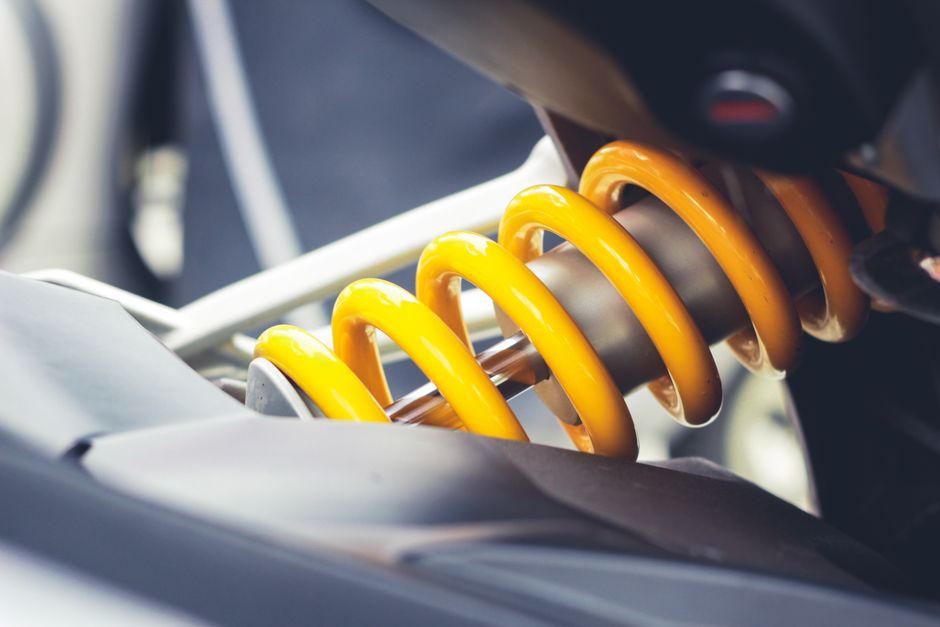
Step 2: Locate the shock absorbers on the vehicle. They are typically found near the wheels and are connected to the suspension system.
Step 3: Remove the bolts securing the shock absorbers in place using the appropriate tools. Be careful not to damage any surrounding components.
Step 4: Once the old shock absorbers are removed, carefully install the new ones in their place. Make sure they are properly aligned and securely fastened.
Step 5: Tighten the bolts to the manufacturer’s recommended torque specifications to ensure the shock absorbers are properly installed.
Step 6: Lower the vehicle back to the ground and test the new shock absorbers by bouncing each corner of the car to check for proper suspension movement and damping.
Tips for a Successful Replacement
1. Safety First: Before starting the replacement process, ensure that the vehicle is securely lifted on jack stands and the wheels are properly chocked to prevent any accidents. Always wear appropriate safety gear such as gloves and goggles to protect yourself from any potential hazards.
2. Follow the Manufacturer’s Instructions: It is crucial to carefully read the manufacturer’s guidelines and specifications for replacing shock absorbers. Each vehicle model may have specific requirements, so following these instructions will help ensure a proper installation and optimal performance.
3. Use the Right Tools: Make sure you have the correct tools for the job, including a wrench, socket set, torque wrench, and spring compressor if needed. Using the right tools will make the replacement process easier and help prevent any damage to the new shock absorbers or other components.
4. Check for Alignment and Suspension Issues: After replacing the shock absorbers, it is essential to check the alignment and suspension components to ensure everything is properly aligned and functioning correctly. Any misalignment or issues could affect the new shock absorbers’ performance and lead to premature wear.
Testing the New Shock Absorbers
Testing the new shock absorbers is crucial to ensure they are functioning properly before hitting the road. One common method to test shock absorbers is the bounce test. To perform this test, push down on each corner of the vehicle and release. The vehicle should bounce back up and settle within one or two bounces. If the vehicle continues to bounce excessively, it may indicate a problem with the shock absorbers.
Another way to test the shock absorbers is through a road test. Take the vehicle for a drive on various road surfaces, including rough roads and highways. Pay attention to how the vehicle handles bumps and dips. If you notice excessive bouncing, swaying, or a bumpy ride, it could be a sign that the new shock absorbers are not working effectively. In this case, it is important to revisit the installation process or seek professional help to address any issues.
Conclusion
Replacing your shock absorbers is a crucial maintenance task that can greatly improve the comfort and safety of your vehicle. By following the steps outlined in this guide, you can ensure a smooth and successful replacement process. Remember to always prioritize safety and take your time to do the job correctly.
Regularly inspecting and replacing worn shock absorbers can help prevent further damage to your vehicle’s suspension system and ensure optimal performance. If you notice any signs of worn shock absorbers or experience a rough ride, don’t hesitate to take action and replace them promptly. With the right tools, materials, and knowledge, you can easily complete this task and enjoy a smoother and more comfortable driving experience.