
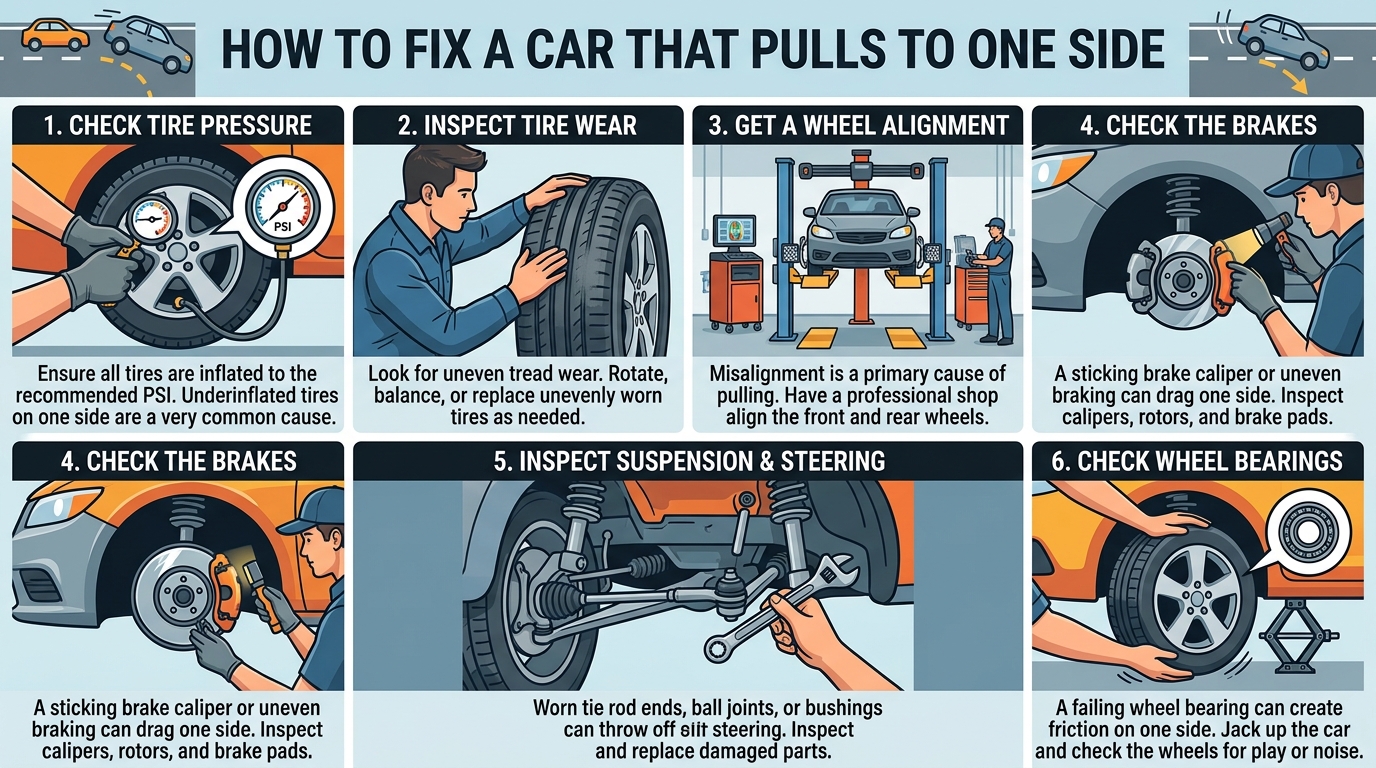
Are you tired of constantly battling with your car as it pulls to one side while you’re driving? Don’t worry, you’re not alone. This common issue can be frustrating and even dangerous if left unaddressed. But fear not, because in this article, we will explore simple and effective ways to fix a car that pulls to one side, allowing you to enjoy a smooth and safe ride once again.
Common Causes of Pulling to One Side
There are several common reasons why a vehicle may pull to one side while driving. One of the most frequent causes is an improper wheel alignment. When the wheels are not properly aligned, it can result in uneven tire wear and steering issues, causing the vehicle to veer to one side. Another common cause is uneven tire pressure. If one tire has significantly lower pressure than the others, it can lead to pulling to that side. Additionally, brake issues such as a stuck caliper or uneven brake pad wear can also cause the vehicle to pull to one side.
Regular maintenance and inspections are crucial to identify and address these common causes of pulling to one side. By ensuring proper wheel alignment, maintaining even tire pressure, and addressing any brake issues promptly, drivers can help prevent their vehicle from pulling to one side and maintain safe and efficient driving conditions.
3. How to Check Tire Pressure
Tire pressure is a crucial aspect of maintaining your vehicle’s performance and safety. To check your tire pressure, you will need a tire pressure gauge. Start by unscrewing the valve cap on the tire. Place the gauge onto the valve stem and press down firmly to get a reading. Compare the reading to the recommended tire pressure specified by the manufacturer, which can usually be found in the owner’s manual or on a sticker inside the driver’s side door.
It’s important to check tire pressure regularly, at least once a month or before long trips. Proper tire pressure ensures optimal fuel efficiency, tire longevity, and overall handling of your vehicle. Remember that tire pressure can fluctuate with changes in temperature, so it’s essential to check and adjust as needed to maintain safe driving conditions.
How to Align Wheels
Wheel alignment is crucial for ensuring your vehicle drives smoothly and handles properly. Proper alignment helps to prevent uneven tire wear, improve fuel efficiency, and maintain steering stability. Here are the basic steps to align your wheels:
1. Check Alignment Specifications:
Start by checking your vehicle’s alignment specifications in the owner’s manual or online. These specifications will provide you with the ideal angles for the wheels to be aligned properly.
2. Use Alignment Tools:
Invest in a quality alignment tool or take your vehicle to a professional alignment shop for precise measurements. These tools help you adjust the camber, caster, and toe angles of the wheels to meet the manufacturer’s specifications.
3. Adjust Wheel Angles:
With the help of the alignment tool, make the necessary adjustments to the wheel angles. Typically, adjustments involve turning the tie rods to set the correct toe angle and adjusting the camber and caster angles using specialized tools.
Signs of Suspension Issues
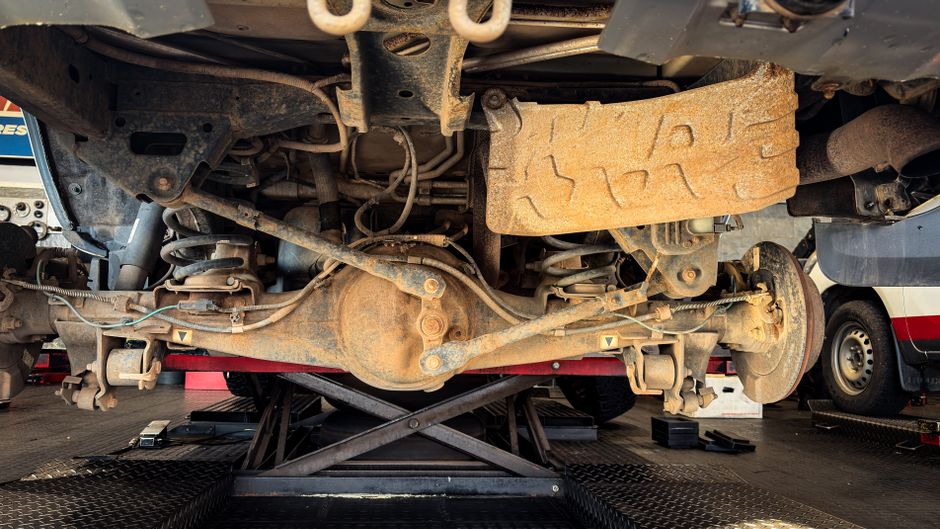
Suspension issues in a vehicle can manifest in various ways, affecting the overall stability and performance of the car. One of the most common signs of suspension problems is a bumpy or rough ride quality. If you notice that your vehicle bounces excessively over bumps or dips in the road, it could indicate worn-out shocks or struts. Additionally, uneven tire wear is another red flag for suspension issues. When the suspension system is not functioning correctly, it can cause the tires to wear unevenly, leading to premature tire replacement.
Another sign to look out for is difficulty steering or controlling the vehicle. If you experience increased difficulty in steering or notice that your car pulls to one side while driving, it could be a symptom of suspension problems. Furthermore, unusual noises such as clunking or knocking sounds when going over bumps or making turns can also point to suspension issues. Ignoring these signs can not only lead to a less comfortable driving experience but also compromise the safety and handling of your vehicle.
DIY Fix: Adjusting the Alignment
Adjusting the alignment of your vehicle can help improve steering responsiveness and tire wear. To begin, park your car on a level surface and ensure the steering wheel is centered. You will need basic tools such as a wrench and a measuring tape. Start by loosening the nuts on the tie rod ends and adjust them equally on both sides to make small adjustments to the alignment. Use the measuring tape to ensure that both front wheels are aligned properly.
After making adjustments, tighten the nuts on the tie rod ends and take your vehicle for a test drive. Pay attention to how the car handles and if it still pulls to one side. If needed, make further adjustments until the alignment feels correct. Remember, if you are unsure about adjusting the alignment yourself, it is always best to consult a professional mechanic to avoid any potential safety hazards on the road.
Conclusion
After following the steps to diagnose and potentially fix alignment issues in your vehicle, it is essential to ensure that your car is driving smoothly and safely. By addressing common causes such as misaligned wheels or suspension problems promptly, you can prevent further damage to your vehicle and ensure optimal performance on the road. Regularly checking tire pressure and alignment, along with being mindful of signs of suspension issues, can help you maintain your vehicle’s health and prolong its lifespan.