
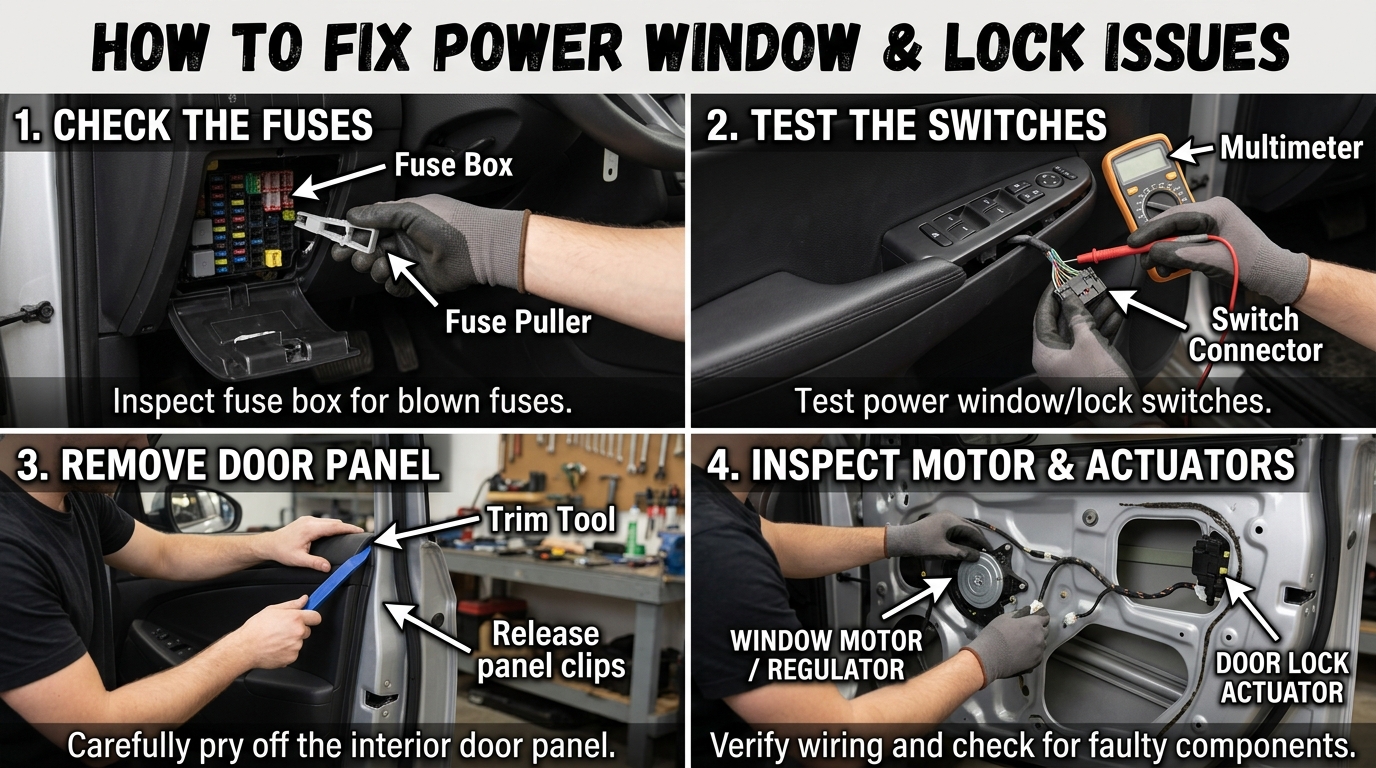
Are you tired of dealing with frustrating power window and lock issues in your vehicle? Imagine the convenience of effortlessly rolling down your windows or locking your car with just the touch of a button. In this guide, we will explore simple and effective solutions to address common problems with power windows and locks, helping you regain control and peace of mind while on the road. Let’s dive in and get your car back in top shape!
Common Power Window Problems
Power window problems are a common issue in vehicles that can be frustrating to deal with. One common problem is a malfunctioning window regulator, which is responsible for moving the window up and down. If the regulator fails, the window may get stuck or move slowly. Another common issue is a faulty window switch, which can prevent the window from moving altogether. Additionally, damaged window tracks or misaligned windows can cause the window to jam or make unusual noises when operating.
Furthermore, electrical issues such as blown fuses or faulty wiring can also lead to power window problems. Identifying the root cause of the issue is crucial in determining the appropriate solution. Regular maintenance and prompt repairs can help prevent these common power window problems and ensure smooth operation of the vehicle’s windows.
Troubleshooting Power Window Issues
Identifying the root cause of power window issues is crucial for efficient troubleshooting and repair. When facing problems with your power windows, start by checking the fuse box to ensure that the fuse related to the power windows is intact. Next, test the window switch to see if it is functioning properly by listening for any clicking noises when pressing the switch. If the switch seems to be working, the issue may lie with the window regulator or motor. Inspect these components for any signs of damage or wear that may be causing the window to malfunction.
Furthermore, checking the wiring connections for any loose or corroded connections is essential in troubleshooting power window problems. Make sure all wires are securely connected and free of any damage. Additionally, testing the power window motor for functionality can help pinpoint if the motor is the cause of the issue. By systematically diagnosing and testing each component of the power window system, you can effectively troubleshoot and resolve any power window problems you may encounter.
How to Fix Power Window Motor
Replacing the Power Window Motor: To fix a faulty power window motor, you will need to remove the interior door panel to access the motor. Once you have exposed the motor, disconnect the wiring harness and remove any mounting bolts securing the motor in place. Install the new motor by reversing the removal process, ensuring all connections are secure before reattaching the door panel.
Lubricating the Power Window Motor: If the power window motor is functioning slowly or making unusual noises, it may just need lubrication. Using a silicone-based lubricant, apply a small amount to the motor’s gears and moving parts. Operate the window up and down a few times to distribute the lubricant evenly. This simple maintenance step can often resolve minor issues with the power window motor and restore smooth operation.
Common Power Lock Problems
Common power lock problems in vehicles can range from issues with the key fob to malfunctioning actuators or wiring problems. One of the most frequent problems is related to the key fob not working correctly, which can be caused by a dead battery or a faulty remote. In some cases, the power lock switch inside the vehicle may also malfunction, preventing the locks from engaging or disengaging as intended.
Another common issue is related to the actuators, which are responsible for physically locking and unlocking the doors. Actuators can fail over time due to wear and tear, resulting in locks that do not respond to the key fob or interior switch commands. Additionally, wiring issues such as damaged wires or loose connections can also lead to power lock problems, causing inconsistent operation or complete lock failure.
Troubleshooting Power Lock Issues
When facing power lock issues in your vehicle, it can be frustrating not being able to easily secure your car. The first step in troubleshooting power lock problems is to check the fuse related to the power locks. A blown fuse can prevent the power locks from functioning correctly. If the fuse is intact, the next step is to inspect the wiring and connections to the power lock system. Loose or damaged wiring can cause power locks to malfunction.
If the fuse and wiring are in good condition, the issue may lie with the power lock actuator. The actuator is responsible for physically locking and unlocking the doors. A faulty actuator can prevent the power locks from working properly. Testing the actuator and replacing it if necessary can often resolve power lock issues. By methodically checking these components, you can pinpoint the root cause of the problem and take the necessary steps to fix your power lock system.
Fixing Power Lock Mechanism
Repairing a power lock mechanism involves identifying the root cause of the issue, which could range from a faulty actuator to electrical problems. Begin by testing the power lock switch to ensure it’s functioning correctly. If the switch is working, the next step is to inspect the door lock actuator. This component is responsible for physically moving the lock mechanism and can wear out over time.
If the actuator is the problem, it will need to be replaced. This typically involves removing the interior door panel to access the actuator. Once the faulty actuator is identified, disconnect it from the electrical system and install the new one in its place. Be sure to test the power lock system after installation to confirm that the issue has been resolved. In some cases, the problem may be related to wiring or electrical connections, which may require further troubleshooting to pinpoint and fix.