
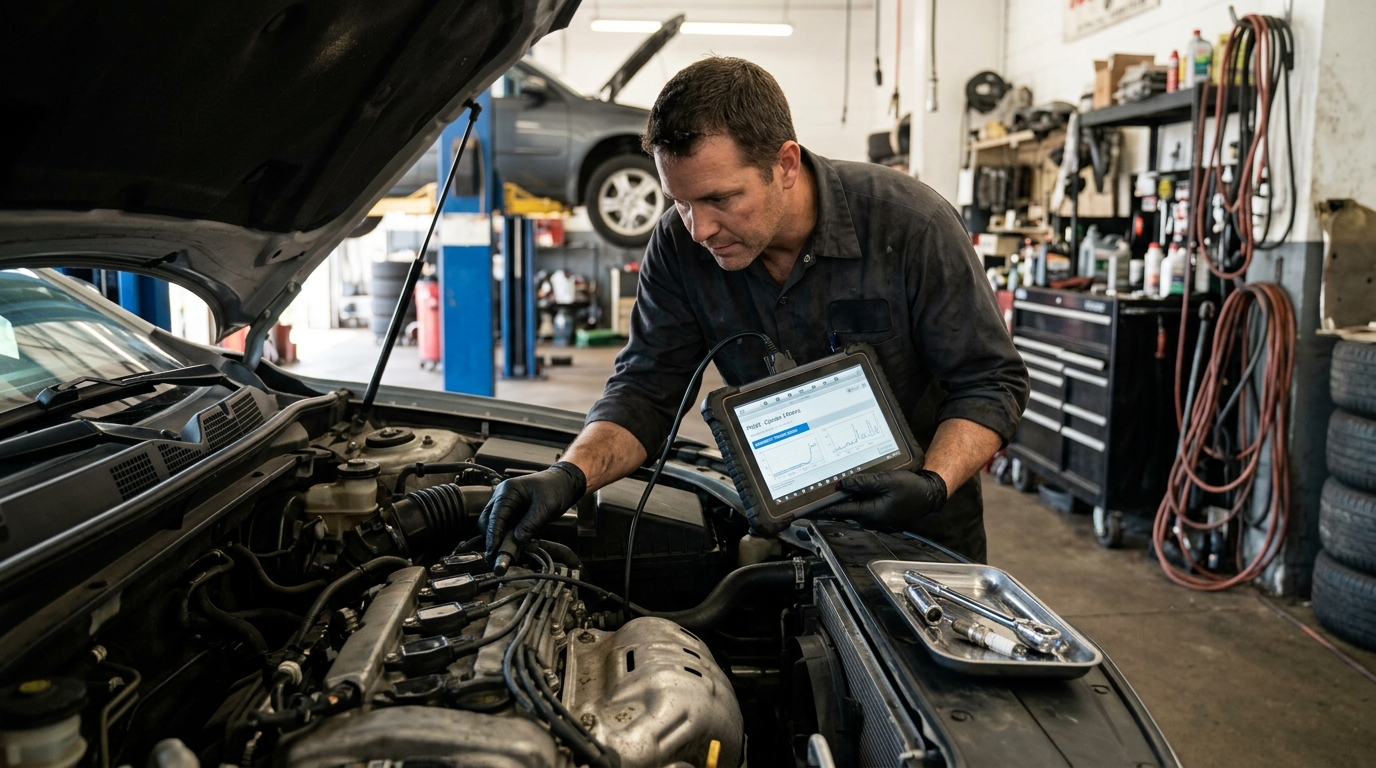
Diagnosing a misfire in your vehicle can be a frustrating experience, but fear not! With the right tools and knowledge, you can quickly identify the root cause of the issue and get your engine running smoothly again. In this guide, we will walk you through the step-by-step process of diagnosing a misfire, allowing you to take control of the situation and save time and money on unnecessary repairs. So, buckle up and let’s dive into the world of troubleshooting engine misfires!
2. Symptoms of a Misfiring Engine
A misfiring engine can exhibit several noticeable symptoms, indicating a problem that needs attention. One of the primary signs is a rough idle, where the engine feels shaky or uneven while at a standstill. Acceleration may also feel sluggish or jerky, especially under load or when trying to pick up speed quickly. Additionally, a misfiring engine can cause a decrease in fuel efficiency, as the engine is not running smoothly and efficiently.
Another common symptom of a misfiring engine is a noticeable loss of power during acceleration. The vehicle may struggle to accelerate as usual, and there may be hesitation or stumbling during acceleration. In some cases, the engine may also emit unusual noises, such as popping sounds or backfires, indicating that combustion is not happening correctly in one or more cylinders. Ignoring these symptoms can lead to more severe engine damage and should be addressed promptly.
3. How to Identify Which Cylinder is Misfiring
When dealing with a misfiring engine, it is crucial to identify which specific cylinder is causing the issue. One common method to determine the misfiring cylinder is by using a scan tool or code reader that can provide diagnostic trouble codes (DTCs). These codes can pinpoint the cylinder or cylinders that are experiencing misfires.
Another way to identify the misfiring cylinder is by conducting a manual cylinder balance test. This test involves disabling each cylinder one by one while the engine is running and observing the RPM drop. The cylinder that does not show a significant RPM drop when disabled is likely the one that is misfiring. By accurately identifying the problematic cylinder, you can focus your diagnosis and repairs on that specific part of the engine, saving time and resources.
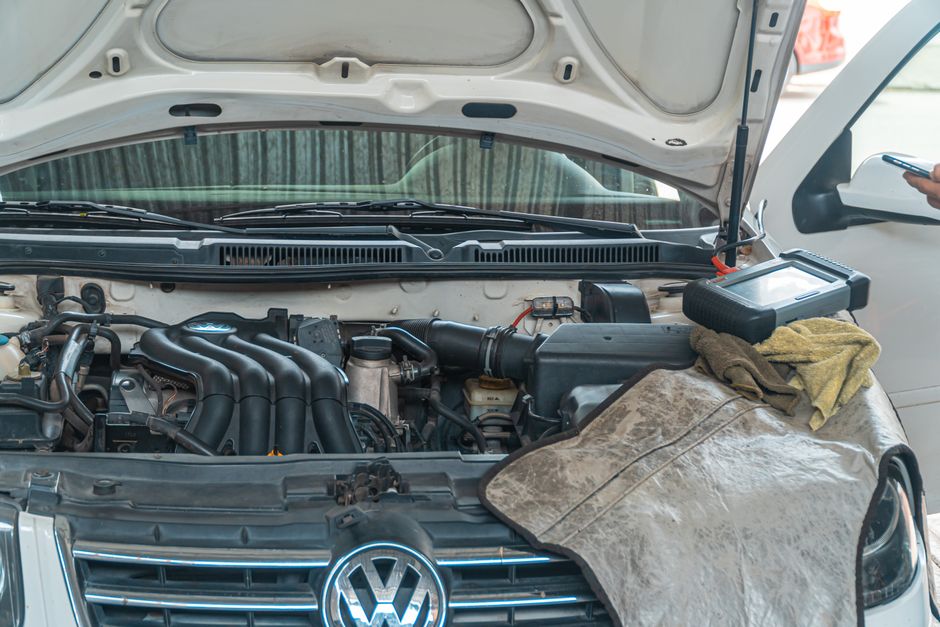
Steps to Diagnose a Misfire
Step 1: Identify the Symptoms
The first step in diagnosing a misfire is to identify the symptoms. Look out for signs such as rough idling, lack of power, engine vibration, and illuminated check engine light. Taking note of when these symptoms occur can provide valuable clues.
Step 2: Scan for Trouble Codes
Use an OBD-II scanner to retrieve trouble codes stored in the engine control unit (ECU). Misfire codes typically start with the letter “P” followed by a four-digit number. These codes can help pinpoint the cylinder or system experiencing the issue.
Step 3: Perform Visual Inspection
Inspect the spark plugs, ignition coils, and spark plug wires for any signs of damage or wear. Check for oil or coolant contamination, as well as loose connections. Additionally, inspect the air filter, fuel injectors, and vacuum lines for any issues that could contribute to a misfire.
Step 4: Conduct Component Testing
Test the ignition components, such as coils and spark plugs, using a multimeter to ensure they are functioning within specifications. Perform a compression test to check the health of the cylinders and valves. Additionally, check the fuel system components, including the fuel pump and injectors, for proper operation.
Tools Needed for Diagnosing Engine Misfires
When diagnosing engine misfires, having the right tools can make the process more efficient and accurate. One essential tool is an OBD-II scanner, which can read diagnostic trouble codes (DTCs) stored in the vehicle’s computer. These codes can provide valuable information about the specific issue causing the misfire, such as which cylinder is affected or if there are other related problems.
Another important tool is a compression tester, which can help determine if there are any internal engine issues causing the misfire, such as low compression in a cylinder. Additionally, a spark tester can be used to check if each cylinder is receiving spark, helping to pinpoint ignition system problems. Lastly, a fuel pressure gauge is useful for testing the fuel delivery system and ensuring that each cylinder is getting the proper amount of fuel.
Understanding Misfire Codes
Misfire codes are specific codes generated by the vehicle’s onboard diagnostic system when it detects an engine misfire. These codes provide valuable information to help pinpoint the cause of the misfire and guide the troubleshooting process. Common misfire codes include P0300 (random/multiple cylinder misfire), P0301-P0312 (cylinder-specific misfires), and P0304 (misfire detected in cylinder 4), among others.
When a misfire is detected, the vehicle’s computer stores a trouble code in its memory, illuminates the check engine light, and may even enter a “limp mode” to protect the engine. By using an OBD-II scanner to retrieve these codes, mechanics and DIY enthusiasts can interpret them to determine which cylinder or cylinders are experiencing the misfire, allowing for a more targeted diagnostic approach. Understanding misfire codes is crucial in efficiently diagnosing and resolving engine misfires, saving time and money in the process.
Tips for Preventing Engine Misfires
Regular Maintenance: One of the best ways to prevent engine misfires is to keep up with regular maintenance. This includes changing spark plugs, ignition coils, and spark plug wires at recommended intervals. Ensuring the fuel and air filters are clean and the fuel system is free of any clogs or debris can also help prevent misfires.
Use High-Quality Fuel: Using high-quality fuel can make a significant difference in preventing engine misfires. Lower-quality fuel may contain impurities or have inconsistent combustion properties that can lead to misfires. Opting for fuel from reputable gas stations can help maintain the health of your engine.
Monitor Engine Temperature: Keeping an eye on your engine temperature is crucial for preventing misfires. An engine that is running too hot can lead to pre-ignition or detonation, causing misfires. Make sure your cooling system is in good working condition and that coolant levels are topped up as needed.