
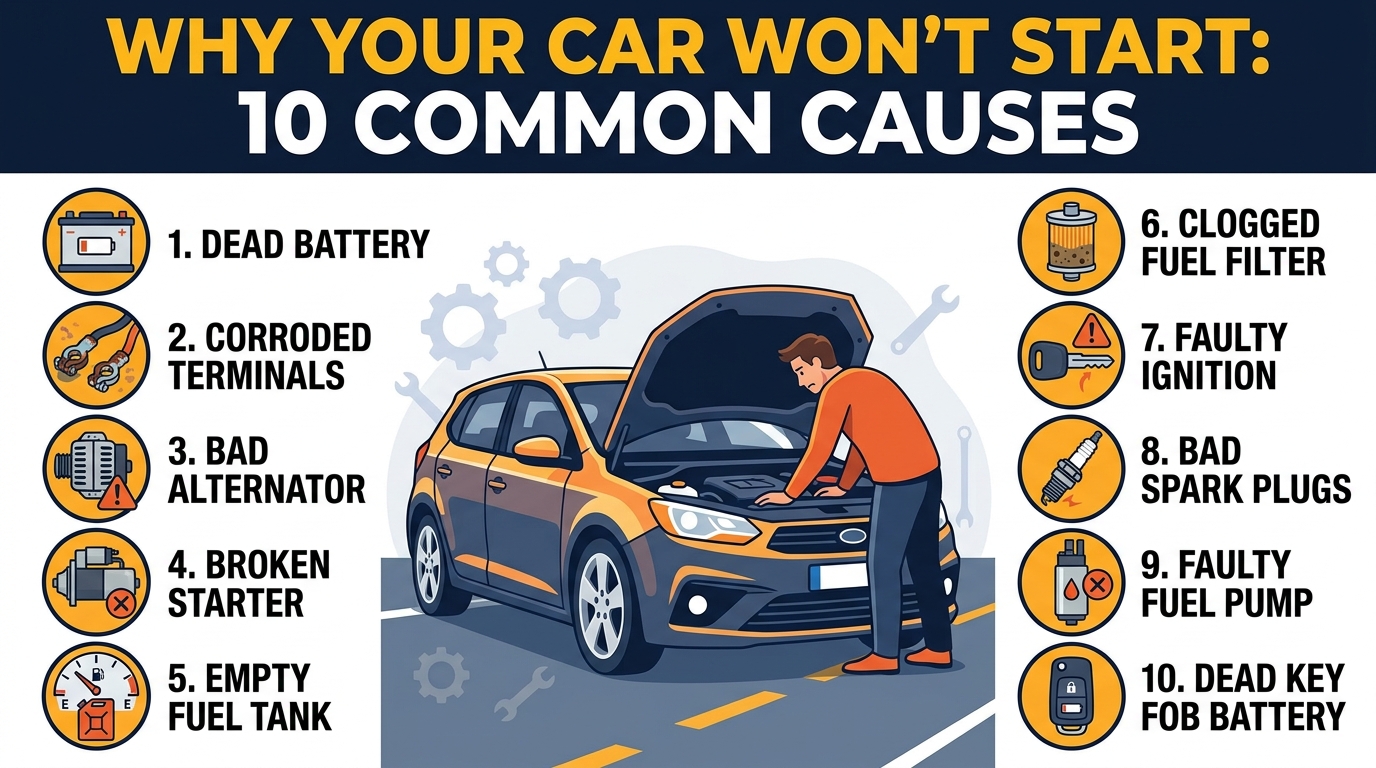
Are you tired of being stuck in your driveway with a car that just won’t start? Don’t worry, you’re not alone. There are a multitude of reasons why your car may be refusing to cooperate when you turn the key. In this post, we’ll explore the top 10 common causes of why your car won’t start, so you can diagnose the issue and get back on the road in no time.
Dead Battery
Dead battery is a common issue that can prevent a vehicle from starting. A battery may die due to various reasons such as leaving lights on, extreme weather conditions, or simply reaching the end of its lifespan. When a battery is dead, there is typically a lack of power to start the engine. Symptoms of a dead battery may include dim lights, clicking sounds when turning the key, or complete silence when attempting to start the car.
To troubleshoot a dead battery, one can try jump-starting the vehicle using jumper cables and another running vehicle. If jump-starting is successful, it is advisable to have the battery and charging system checked to prevent future occurrences. In some cases, the battery may need to be replaced if it no longer holds a charge. Regular maintenance and checking the battery’s condition can help prevent unexpected breakdowns due to a dead battery.
3. Faulty Starter
A faulty starter is a common issue that can prevent a car from starting. The starter is responsible for initiating the engine’s operation by engaging with the flywheel and cranking the engine. When the starter fails, you may hear a clicking sound when turning the key in the ignition or experience no response at all.
One way to diagnose a faulty starter is by checking if the battery is fully charged and all electrical connections are secure. If the battery and connections are in good condition, but the car still does not start, it is likely that the starter motor needs to be replaced. It is recommended to consult a professional mechanic to properly diagnose and address starter-related problems to ensure the vehicle’s reliability and safety.
Fuel System Issues
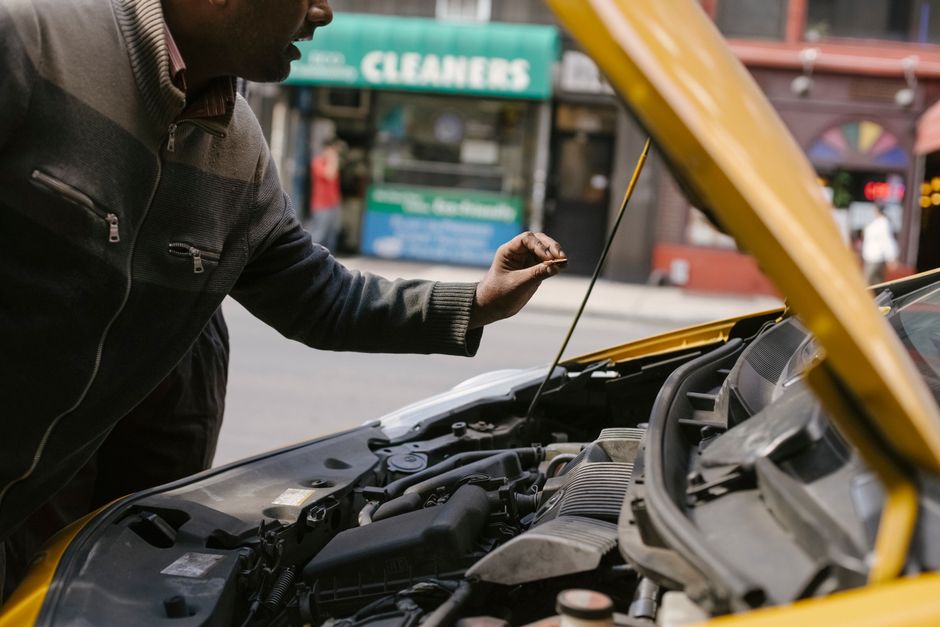
Fuel system issues can cause a variety of problems in a vehicle, leading to poor performance and potentially dangerous situations. Common signs of fuel system issues include difficulty starting the engine, rough idling, stalling, decreased fuel efficiency, and a strong smell of gasoline. These issues can be caused by a clogged fuel filter, a failing fuel pump, a malfunctioning fuel pressure regulator, or contaminated fuel.
To diagnose fuel system issues, a mechanic may perform a fuel pressure test, inspect the fuel filter, check for fuel leaks, and examine the fuel injectors. Regular maintenance, such as changing the fuel filter at recommended intervals and using high-quality fuel, can help prevent fuel system problems. It is important to address any fuel system issues promptly to ensure the safety and efficiency of the vehicle.
Ignition Switch Problems
Ignition switch problems can manifest in various ways, causing issues with starting the vehicle or even affecting other electrical components. One common symptom is difficulty turning the key in the ignition or the key getting stuck. This could be due to a worn-out ignition switch or a problem with the key itself. Another sign of ignition switch problems is intermittent starting issues, where the engine may crank but not start, or the vehicle may stall unexpectedly.
If you experience any of these symptoms, it is essential to address ignition switch problems promptly to avoid being stranded or risking further damage to the vehicle. Ignition switch replacement is often necessary to resolve these issues, and it is recommended to have this task performed by a qualified mechanic to ensure proper installation and functionality.
6. Electrical System Malfunction
Electrical system malfunctions in a vehicle can lead to a variety of issues that impact its performance and safety. Common signs of electrical problems include dimming headlights, flickering dashboard lights, difficulty starting the engine, and issues with various electrical components such as power windows, locks, and the radio. These problems can be caused by a range of issues, including a faulty alternator, bad battery connections, blown fuses, or wiring issues.
When experiencing electrical system malfunctions, it is crucial to address the underlying problem promptly to prevent further damage and ensure the safety of the vehicle. A thorough diagnosis by a qualified mechanic is recommended to pinpoint the exact cause of the issue. Depending on the nature of the problem, repairs may involve replacing components, fixing wiring issues, or addressing faulty connections to restore the vehicle’s electrical system to proper working condition.
Conclusion
Conclusion: In summary, troubleshooting car starting issues can be a challenging but manageable task. By systematically diagnosing potential problems such as a dead battery, faulty starter, fuel system issues, ignition switch problems, and electrical system malfunctions, car owners can effectively identify and resolve the root cause of their vehicle’s starting problems.
Final Thoughts: It is essential to remember that regular maintenance and prompt attention to any signs of trouble can help prevent major starting issues in the future. Whether it’s ensuring the battery is in good condition, checking the starter motor, or addressing any electrical issues promptly, proactive car care can go a long way in keeping your vehicle running smoothly. By understanding the common causes of starting problems and knowing how to address them, car owners can save time, money, and frustration in the long run.