
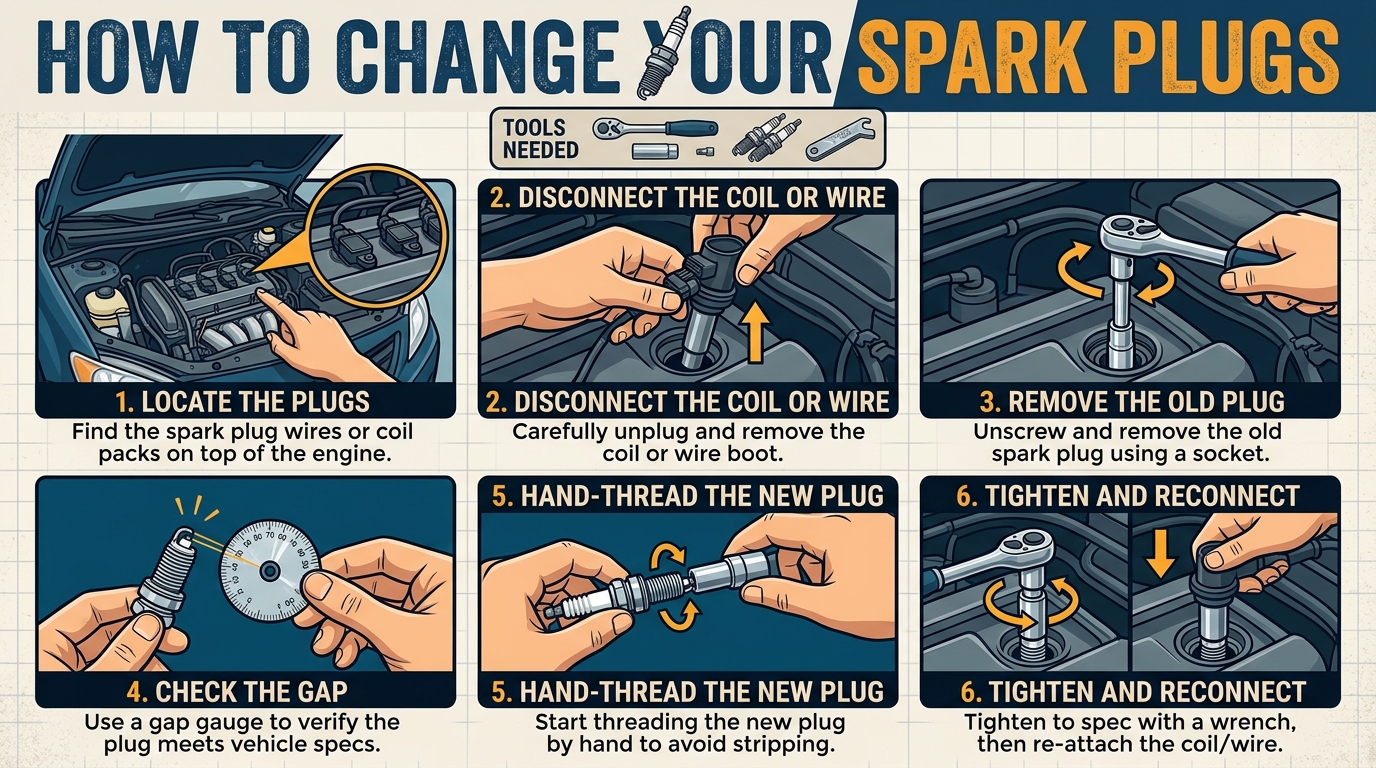
Changing your spark plugs may seem like a daunting task, but with the right guidance, it can be a simple and rewarding DIY project. By learning how to change your spark plugs, you can improve your car’s performance, fuel efficiency, and overall reliability. In this post, we will walk you through the step-by-step process of changing your spark plugs, providing you with the knowledge and confidence to tackle this essential maintenance task.
Importance of Spark Plugs
Spark plugs play a crucial role in the proper functioning of a vehicle’s engine. They are responsible for igniting the air-fuel mixture in the combustion chamber, which powers the engine. Without functioning spark plugs, the engine would not be able to start or run efficiently. Over time, spark plugs can become worn out or fouled, leading to issues such as misfires, poor fuel efficiency, and rough idling.
Regularly maintaining and changing spark plugs is essential to ensure optimal engine performance. By replacing old spark plugs with new ones, you can improve fuel efficiency, reduce emissions, and enhance overall engine power. Ignoring the condition of spark plugs can result in engine problems and even lead to costly repairs down the line. Therefore, it is important to pay attention to the condition of your spark plugs and replace them as needed to keep your vehicle running smoothly.
Signs that Spark Plugs Need to be Changed
Recognizing the signs that spark plugs need to be changed is crucial for maintaining optimal engine performance. One common indication is rough idling, where the engine vibrates or shakes when running at a standstill. This can be caused by worn-out spark plugs failing to ignite the air-fuel mixture properly. Additionally, if you experience difficulties starting your vehicle or notice a significant decrease in fuel efficiency, it may be time to inspect the spark plugs.
Another sign that spark plugs need to be replaced is engine misfiring, characterized by a jolting sensation or hesitation while driving. This occurs when the spark plugs are unable to generate the necessary spark to ignite the fuel consistently. Additionally, if you notice a rough acceleration or a drop in engine power, it could be a result of faulty spark plugs. Regularly checking and replacing spark plugs based on these signs can help prevent more serious engine problems and ensure smooth operation of your vehicle.

Tools Needed to Change Spark Plugs
When it comes to changing spark plugs, having the right tools is essential to ensure a smooth and successful process. The basic tools you will need include a ratchet wrench with a spark plug socket that fits your specific spark plug size. It’s crucial to use the correct size socket to avoid damaging the spark plug during removal or installation.
In addition to the ratchet wrench and spark plug socket, having a torque wrench is highly recommended to ensure that the spark plugs are tightened to the correct specification. A gap tool is also useful for checking and adjusting the gap on new spark plugs before installation. Finally, having a can of compressed air or a spark plug cleaner can help remove any debris or build-up in the spark plug well before inserting the new spark plug.
Step-by-Step Guide to Changing Spark Plugs
Changing spark plugs is a crucial maintenance task to ensure your vehicle runs smoothly and efficiently. Follow these steps to successfully replace your spark plugs:
- Step 1: Park the vehicle on a flat surface and allow the engine to cool down completely.
- Step 2: Locate the spark plugs – they are typically found on the top of the engine under plug wires or coil packs.
- Step 3: Remove the spark plug wire or coil pack carefully to access the spark plug.
- Step 4: Use a spark plug socket and ratchet to unscrew the old spark plug in a counterclockwise direction.
- Step 5: Inspect the old spark plug for signs of wear or damage and compare it to the new spark plug to ensure they match.
- Step 6: Install the new spark plug by hand to avoid cross-threading, then tighten it with the socket and ratchet.
- Step 7: Reattach the spark plug wire or coil pack securely.
- Step 8: Repeat the process for each spark plug in your vehicle.
By following these steps carefully and using the correct tools, you can easily change the spark plugs in your vehicle and keep it running smoothly for miles to come.
Tips for Maintaining Spark Plugs
Regular Inspection: One of the key tips for maintaining spark plugs is to regularly inspect them for any signs of wear and tear. Look for signs of fouling, such as a black coating on the spark plug tip, which can indicate a problem with the fuel system. Additionally, check for any physical damage or corrosion that may affect the performance of the spark plug.
Proper Gapping: Another important aspect of spark plug maintenance is ensuring that the spark plugs are properly gapped. The gap between the center electrode and the ground electrode should be set according to the manufacturer’s specifications. An incorrect gap can lead to misfiring and poor engine performance. Use a gapping tool to adjust the gap if necessary.
Conclusion
Spark plugs are a crucial component of a vehicle’s ignition system, responsible for igniting the air-fuel mixture in the engine cylinders. Ensuring that spark plugs are in good condition and functioning properly is essential for optimal engine performance and fuel efficiency.
By regularly inspecting and replacing spark plugs as needed, drivers can prevent issues such as misfiring, rough idling, and poor acceleration. Following the recommended maintenance schedule for spark plug replacement can help extend the lifespan of the engine and improve overall driving experience.