
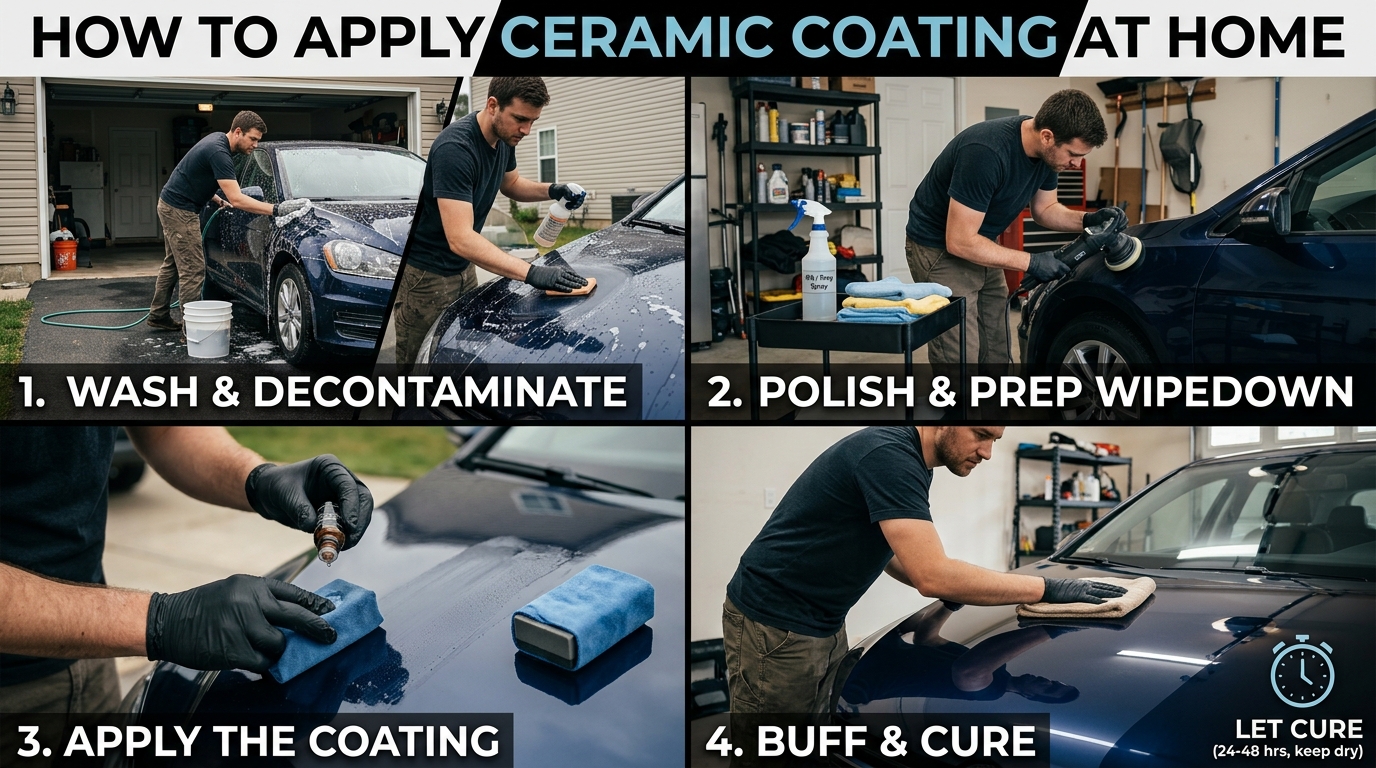
Discover the secrets to achieving a professional ceramic coating finish right in the comfort of your own home. Learn the step-by-step process, essential tips, and tricks to protect your vehicle’s paint while giving it a stunning, long-lasting shine. Say goodbye to expensive detailing services and hello to a DIY solution that will leave your car looking showroom-ready.
Benefits of Ceramic Coating
Ceramic coating offers a range of benefits for vehicle owners seeking long-lasting protection and enhanced aesthetics. One of the primary advantages is its exceptional durability, providing a protective layer that is resistant to UV damage, chemical stains, and minor scratches. This helps in maintaining the original paintwork of the vehicle for an extended period, reducing the need for frequent repainting or touch-ups.
Additionally, ceramic coating creates a hydrophobic surface, meaning it repels water and prevents water spots from forming on the vehicle. This makes cleaning the car easier and less time-consuming, as dirt and grime are less likely to adhere to the treated surface. Furthermore, the coating enhances the gloss and shine of the paint, giving the vehicle a sleek and polished appearance that lasts longer than traditional waxing methods.
Supplies Needed for Applying Ceramic Coating
Ceramic coating application requires specific supplies to ensure a successful and durable finish. The essential supplies needed for applying ceramic coating include the ceramic coating product itself, microfiber towels, applicator pads, gloves, mask, paint correction polish, isopropyl alcohol, and a foam gun or sprayer for washing the vehicle.
It is crucial to use high-quality microfiber towels to prevent scratching the vehicle’s surface during the application process. Applicator pads help to evenly distribute the ceramic coating for a smooth finish. Gloves and a mask are necessary to protect your skin and respiratory system from exposure to chemicals. Preparing the vehicle’s surface with paint correction polish and isopropyl alcohol ensures that the ceramic coating adheres properly. Lastly, a foam gun or sprayer is recommended for washing the vehicle beforehand to remove any dirt or contaminants that may interfere with the coating.

Steps to Prepare Your Vehicle for Ceramic Coating
Step 1: Wash Thoroughly – Begin by washing your vehicle using a high-quality car wash shampoo and a microfiber wash mitt. Ensure all dirt, grime, and contaminants are removed from the surface before proceeding.
Step 2: Decontaminate the Surface – Use a clay bar or a chemical decontamination product to remove any embedded contaminants such as tar, tree sap, or industrial fallout. This step is crucial to ensure a clean surface for the ceramic coating to bond effectively.
Step 3: Polish (If Necessary) – If your vehicle’s paint has swirl marks, light scratches, or oxidation, consider polishing the surface to restore its smoothness and shine. A polished surface will enhance the ceramic coating’s appearance and durability.
Step 4: Use Isopropyl Alcohol – Wipe down the entire surface with isopropyl alcohol to remove any remaining residues, oils, or waxes. This step will ensure a completely clean surface for the ceramic coating to adhere properly.
Step 5: Masking and Taping – Protect sensitive areas such as rubber trims, plastics, and glass by masking them off with painter’s tape. This precaution will prevent the ceramic coating from accidentally bonding to these surfaces during application.
5. How to Apply Ceramic Coating
Applying ceramic coating to your vehicle requires careful preparation and attention to detail. Start by thoroughly washing and drying your vehicle to remove any dirt, debris, and contaminants. Next, use a clay bar to ensure the surface is smooth and free of impurities. Once the surface is clean, apply the ceramic coating using an applicator pad or microfiber cloth in small, overlapping sections. Make sure to work in a well-ventilated area and follow the manufacturer’s instructions for the specific product you are using.
After applying the ceramic coating, allow it to cure for the recommended time before exposing your vehicle to water or other elements. It is essential to follow the curing instructions to ensure the coating bonds properly to the paint surface. Once the coating has cured, you can enjoy the benefits of enhanced protection and a glossy finish that will last for years with proper maintenance.
Tips for Maintaining Ceramic Coating
Maintaining your ceramic coating properly is essential to ensure its longevity and effectiveness. One of the most important tips is to regularly wash your vehicle using a pH-neutral car shampoo and a microfiber wash mitt. Avoid using harsh detergents or abrasive sponges that can damage the coating. Additionally, drying your car with a soft, clean microfiber towel can help prevent water spots.
Another key tip is to avoid parking your vehicle under direct sunlight for prolonged periods. UV rays can degrade the ceramic coating over time, so parking in a shaded area or using a car cover can help protect the coating. It’s also recommended to avoid using automated car washes with harsh chemicals or brushes that can scratch the coating. Finally, consider applying a ceramic coating booster or spray sealant every few months to enhance the coating’s hydrophobic properties and maintain its shine.
Frequently Asked Questions about Ceramic Coating
What is ceramic coating? Ceramic coating is a liquid polymer that is applied to the exterior of a vehicle to protect it from dirt, debris, and UV rays. It creates a hydrophobic surface that repels water and makes the car easier to clean.
How long does ceramic coating last? The durability of ceramic coating can vary depending on the quality of the product and how well it is maintained. Generally, a ceramic coating can last anywhere from 1 to 5 years. Regular maintenance such as washing the car with pH-neutral shampoo and avoiding harsh chemicals can help prolong its lifespan.