
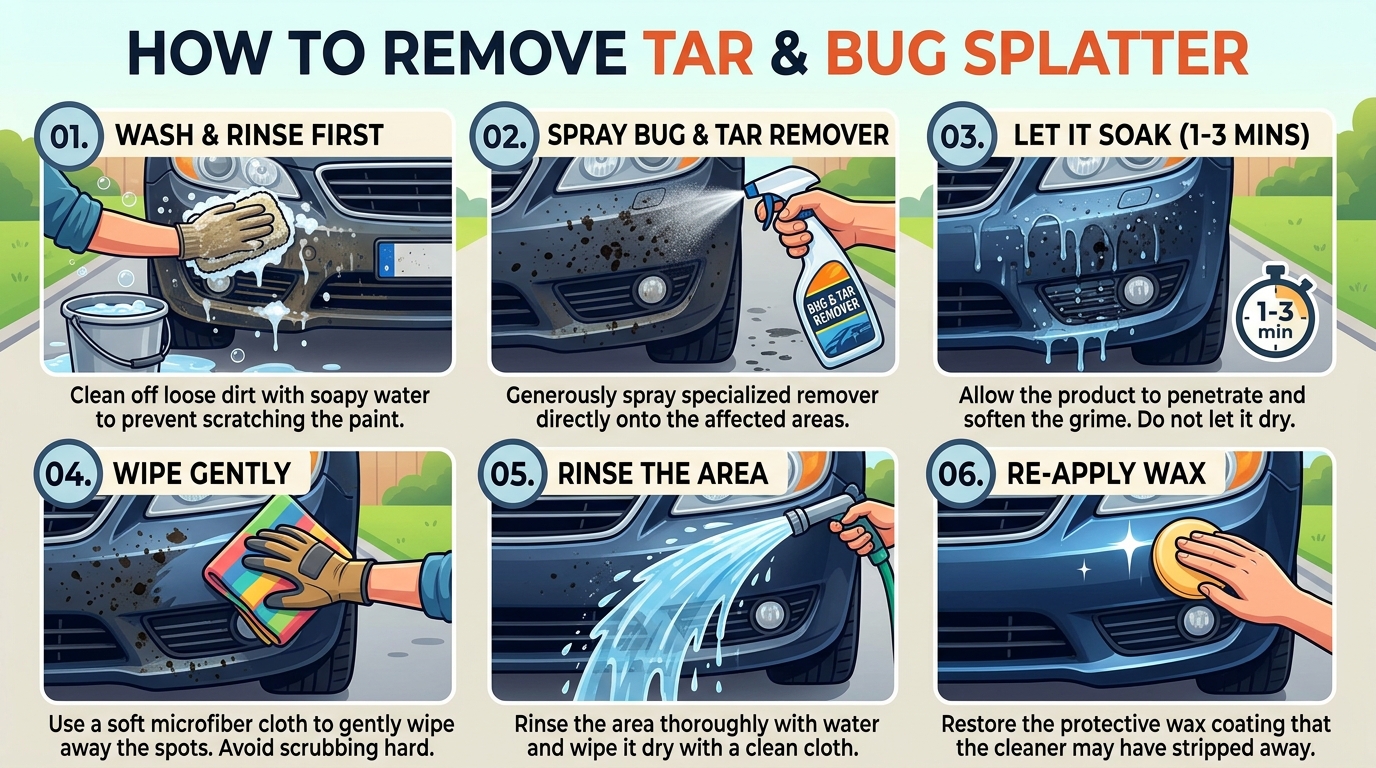
Discover the ultimate solution to effortlessly eliminate tar and bug splatter from your vehicle’s surface. Say goodbye to stubborn stains and unsightly marks with our step-by-step guide that will leave your car looking as good as new. Keep reading to learn the best tips and tricks for achieving a spotless finish with ease.
Tools and Materials Needed
Car wash soap: Choose a high-quality car wash soap that is specifically formulated for automotive surfaces. Avoid using dish soap or other household cleaners that can strip wax and damage the paint.
Microfiber towels: Use soft, lint-free microfiber towels to avoid scratching the paint surface. Have a few extra towels on hand for drying and buffing.
Bucket: A large bucket will be needed for mixing the car wash soap with water for washing the car.
Sponge or wash mitt: Opt for a soft sponge or a wash mitt with gentle bristles to safely remove dirt and grime without causing scratches.
Hose and water source: Ensure you have access to a hose and water source for rinsing off the soap and dirt from the car’s surface.
Wheel cleaner: If cleaning the wheels, have a dedicated wheel cleaner to remove brake dust and grime effectively.
3. Preparing the Surface
Surface preparation is a crucial step before undertaking any painting or refinishing project. The first task in preparing the surface is to thoroughly clean it to remove any dirt, grease, or other contaminants that could affect the quality of the final finish. This can be done using a mild detergent, water, and a scrubbing brush. After cleaning, the surface should be rinsed with clean water and allowed to dry completely before proceeding to the next steps.
Once the surface is clean and dry, it may be necessary to sand it lightly to create a smooth and uniform substrate for the new finish. Sanding helps to remove any existing imperfections, rough spots, or old paint that may be peeling or flaking. It also provides better adhesion for the new paint or coating. After sanding, the surface should be wiped clean to remove any dust or debris before applying the new finish.

4. Removing Tar
Removing tar from surfaces can be a challenging task, but with the right techniques, it can be done effectively. One common method is using a tar remover solution specifically designed for this purpose. These solutions are typically applied directly to the affected area and left to soak for a few minutes. Afterward, the tar can be easily wiped away with a clean cloth or sponge.
Another approach is to use household items like cooking oil or peanut butter to help break down the tar. Simply apply a small amount of oil or peanut butter to the tarred area, let it sit for a few minutes, and then gently scrub the surface with a soft cloth or sponge. This method may require a bit more elbow grease but can be effective in removing stubborn tar stains.
5. Removing Bug Splatter
Removing bug splatter from your car’s surface is essential to maintain its appearance and prevent damage. Bug splatter contains acidic substances that can etch into your car’s paint if left untreated. To effectively remove bug splatter, start by pre-soaking the affected area with a bug remover or a mixture of water and mild soap. Let it sit for a few minutes to soften the splatter.
Next, gently scrub the area with a soft microfiber cloth or sponge, using light pressure to avoid scratching the paint. For stubborn bug splatter, you can use a bug and tar remover or a specialized cleaning solution. After removing the splatter, thoroughly rinse and dry the area to prevent water spots. Regularly removing bug splatter will help preserve the shine and integrity of your car’s paintwork.
6. Cleaning and Polishing
Cleaning and polishing are essential steps to ensure your vehicle’s exterior looks its best. Start by washing the car with a car-specific soap and a soft sponge or microfiber cloth to remove dirt and grime. Rinse thoroughly with clean water to avoid leaving soap residue.
After cleaning, it’s time to polish the car to restore its shine. Use a car polish product and a clean, soft cloth to apply in circular motions. Allow the polish to dry before buffing it off with another clean cloth. This process will help remove minor scratches and swirl marks, leaving your car looking glossy and protected.
Conclusion
After following the steps outlined in this guide, your car’s exterior should be looking clean and polished. Regular maintenance and cleaning are key to preserving the paint and overall appearance of your vehicle. Remember to use the right tools and products for the job to avoid damaging the paint or finish.
By removing tar, bug splatter, and dirt from your car’s surface, you not only improve its aesthetic appeal but also protect it from potential damage. Make sure to inspect your car regularly for any new spots or debris and address them promptly to maintain its cleanliness and shine. With proper care and attention, your car will continue to look its best for years to come.