
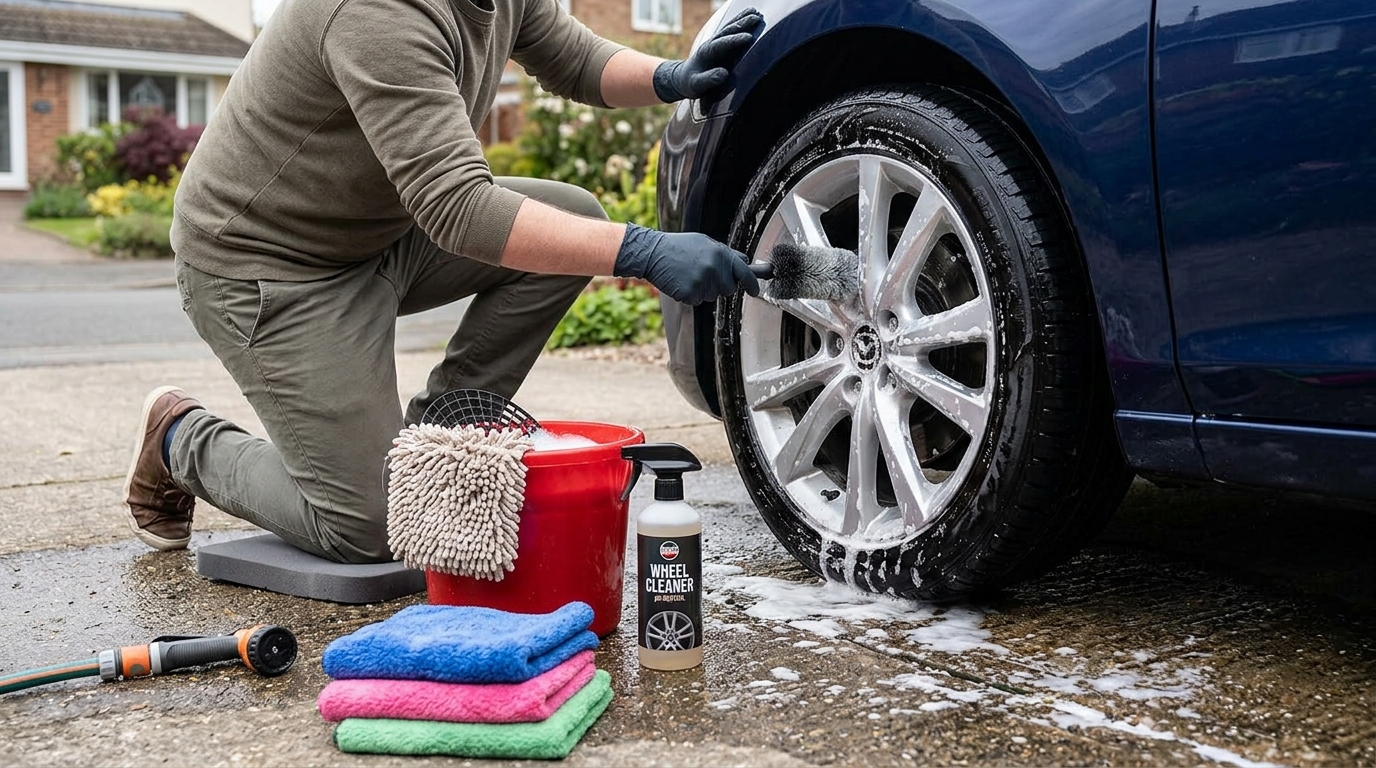
Cleaning alloy wheels is an essential task to maintain the appearance and longevity of your vehicle. However, it can be a tricky process, as using the wrong products or techniques could potentially damage the wheels. In this guide, we will provide you with expert tips and methods on how to effectively clean alloy wheels without causing any harm to them, ensuring they remain in pristine condition for years to come.
Importance of Cleaning Alloy Wheels
Alloy wheels not only enhance the aesthetic appeal of a vehicle but also play a crucial role in its performance. Regular cleaning and maintenance of alloy wheels are essential to prevent corrosion, brake dust buildup, and other forms of damage. Brake dust, which is a byproduct of brake pad wear, can be corrosive and if left unchecked, can cause permanent damage to the wheels. Cleaning alloy wheels not only keeps them looking great but also extends their lifespan.
Moreover, maintaining clean alloy wheels can also contribute to overall vehicle safety. Accumulated grime and debris on the wheels can impact the balance of the tires and affect braking efficiency. By cleaning alloy wheels regularly, you not only ensure the longevity and appearance of the wheels but also contribute to the safety and performance of your vehicle.
3. Necessary Tools and Materials
Cleaning Alloy Wheels properly requires the use of specific tools and materials to ensure a thorough and effective cleaning process. The following items are essential for maintaining the appearance and longevity of your alloy wheels:
- Wheel cleaner: Choose a specialized wheel cleaner that is safe for use on alloy wheels to effectively remove brake dust, road grime, and other contaminants.
- Soft-bristled brush: Use a soft-bristled brush to gently scrub the surface of the wheels and reach into crevices without causing damage.
- Microfiber cloths: Use soft microfiber cloths to wipe down the wheels and dry them after cleaning to prevent water spots and streaks.
- Wheel brush: A dedicated wheel brush with soft bristles can help clean hard-to-reach areas and intricate designs on the wheels.
- Bucket: Fill a bucket with water and wheel cleaner for easy access while cleaning the wheels.
- Gloves: Wear protective gloves to prevent skin irritation from harsh chemicals in wheel cleaners.
Having the right tools and materials on hand will make the cleaning process more efficient and help protect the finish of your alloy wheels. It is important to follow manufacturer recommendations for cleaning products to avoid damaging the wheels.

Step-by-Step Cleaning Process
Step 1: Rinse the Wheels – Start by rinsing the alloy wheels with water to remove any loose dirt or debris. This will help prevent scratching the surface during the cleaning process.
Step 2: Apply Wheel Cleaner – Use a wheel cleaner specifically designed for alloy wheels. Spray the cleaner generously onto the wheels, making sure to cover all areas, including the spokes and inner rims.
Step 3: Scrub the Wheels – Use a soft-bristled brush or wheel brush to scrub the wheels thoroughly. Pay close attention to areas with brake dust buildup or stubborn grime. Be gentle to avoid causing any damage to the finish.
Step 4: Rinse and Dry – Rinse off the wheel cleaner with water, ensuring all residue is removed. Use a clean microfiber cloth to dry the wheels completely to prevent water spots or streaks from forming.
Step 5: Apply Wheel Sealant (Optional) – For added protection, consider applying a wheel sealant to help repel brake dust and make future cleanings easier. Follow the manufacturer’s instructions for the best results.
Tips for Maintaining Alloy Wheels
Regular Cleaning: One of the most important tips for maintaining alloy wheels is to clean them regularly. Brake dust, road grime, and other contaminants can accumulate on the wheels, leading to corrosion and damage if left unattended. Use a non-acidic wheel cleaner and a soft brush to remove dirt and grime.
Protective Coating: Applying a protective coating to your alloy wheels can help prevent corrosion and maintain their shine. There are various wheel sealants and coatings available in the market that provide a protective barrier against dirt, brake dust, and other harmful elements. Make sure to reapply the coating as per the manufacturer’s recommendations for long-lasting protection.
6. Common Mistakes to Avoid
Ignoring Regular Cleaning: One common mistake to avoid when maintaining alloy wheels is neglecting regular cleaning. Over time, brake dust, road grime, and other contaminants can build up on the wheels, leading to corrosion and damage. It is essential to clean alloy wheels frequently to prevent these issues.
Using Abrasive Cleaners: Another mistake to avoid is using abrasive cleaners or harsh chemicals on alloy wheels. These products can scratch the surface of the wheels and cause damage to the protective coating. It is recommended to use gentle cleaning agents specifically designed for alloy wheels to ensure they stay in good condition.
Conclusion
Alloy wheels are a stylish and popular choice for many car owners due to their aesthetic appeal and performance benefits. Keeping them clean and well-maintained not only enhances the overall look of your vehicle but also prolongs the life of the wheels.
By following the step-by-step cleaning process outlined in this guide and utilizing the necessary tools and materials, you can ensure that your alloy wheels remain in top condition. Remember to avoid common mistakes like using abrasive cleaners or neglecting regular maintenance. With proper care, your alloy wheels will continue to shine and complement your vehicle for years to come.