
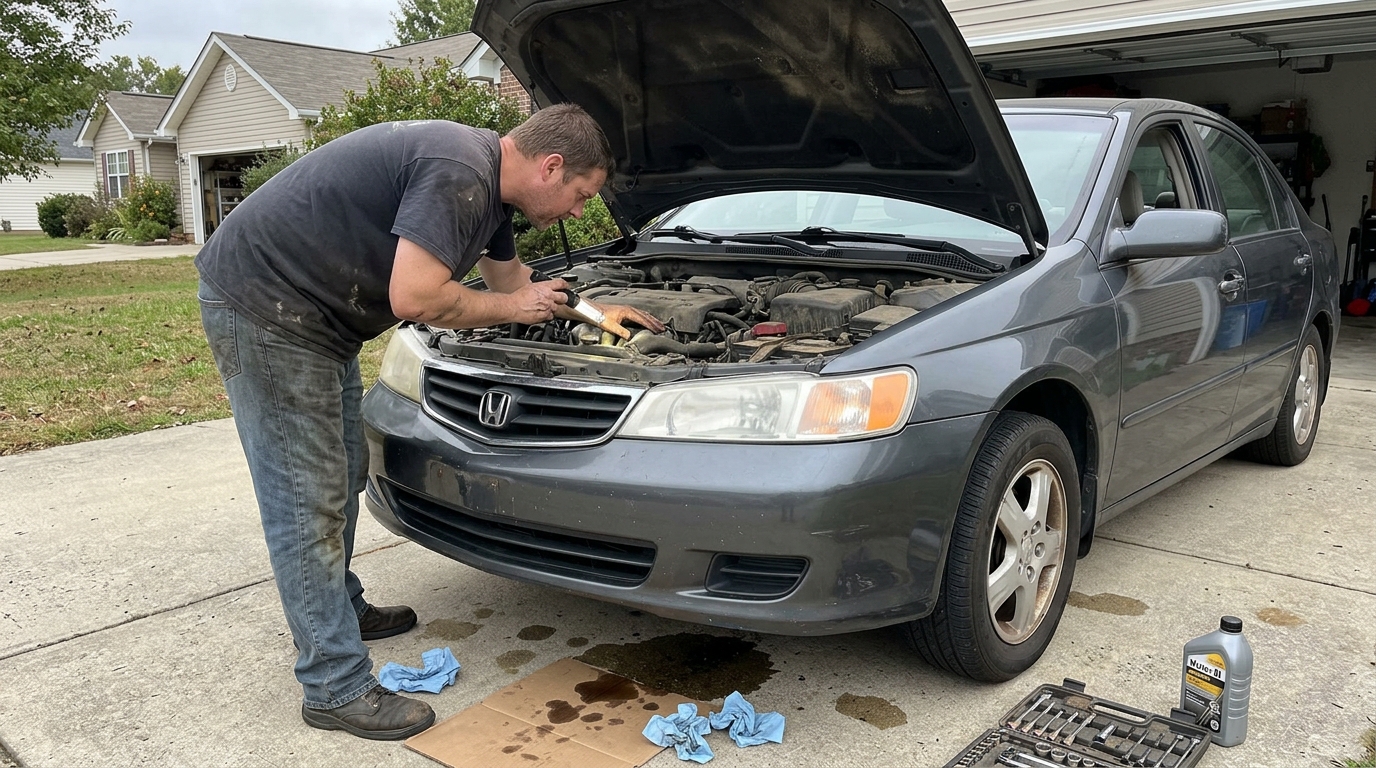
Have you ever noticed mysterious oil spots under your car and wondered where they’re coming from? Understanding why your car is leaking oil is crucial for maintaining its performance and preventing potential damage. In this post, we will explore common reasons for oil leaks and provide you with valuable tips on how to identify the source effectively. Stay tuned to learn how to keep your car running smoothly and oil-free!
Common Reasons for Oil Leaks
1. Worn Gaskets and Seals: One of the most common reasons for oil leaks in vehicles is deteriorated gaskets and seals. Over time, these components can wear out, leading to oil seepage. It’s essential to regularly inspect and replace these parts to prevent leaks.
2. Loose or Damaged Oil Drain Plug: Another frequent culprit for oil leaks is a loose or damaged oil drain plug. If not properly tightened or if the threads are stripped, it can cause oil to leak out of the oil pan. Inspecting and replacing the drain plug when necessary is crucial to avoid leaks.
3. Cracked Oil Pan: A cracked oil pan can also result in oil leaks. This can happen due to hitting road debris or improper installation. Detecting and repairing a cracked oil pan promptly is important to prevent further damage to the vehicle.
3. How to Identify the Source of the Leak
Visual Inspection: One of the primary methods to identify the source of an oil leak is through a visual inspection of the engine and surrounding components. Look for any visible signs of oil, such as puddles or drips underneath the vehicle or on the engine itself. Take note of the location and severity of the leak.
Check Oil Levels: Monitoring your oil levels regularly can also help in identifying the source of a leak. If you notice a sudden drop in oil levels without any visible leaks, it could indicate an internal leak. Keep track of your oil consumption and top up as needed while investigating the cause of the drop in levels.

4. Steps to Fix an Oil Leak
Fixing an oil leak is crucial to prevent damage to your vehicle’s engine and ensure optimal performance. The first step is to identify the source of the leak by inspecting the engine, oil pan, gaskets, and seals. Once you have pinpointed the location of the leak, you can proceed with the necessary repairs.
Step 1: Clean the area around the leak with a degreaser to remove any oil residue. This will make it easier to identify the source of the leak.
Step 2: Determine the cause of the leak, whether it’s a damaged gasket, seal, or oil pan. Depending on the issue, you may need to replace the faulty component or use a sealant to fix the leak.
Step 3: Replace any damaged gaskets, seals, or components with new ones. Ensure that everything is properly tightened to prevent future leaks.
Step 4: Refill the engine with the correct amount and type of oil. Start the engine and check for any signs of leaks. If the leak persists, reevaluate the repair and consider seeking professional help.
Preventative Maintenance Tips
Regularly check oil levels: One of the most important preventative maintenance tips is to regularly check your vehicle’s oil levels. By ensuring that the oil level is within the recommended range, you can prevent potential leaks caused by low oil levels.
Change oil and oil filter on schedule: It is crucial to follow the manufacturer’s recommended oil change schedule to prevent oil leaks. Regular oil changes help maintain the integrity of the oil and prevent it from breaking down and causing leaks.
Inspect for oil leaks: Routinely inspect your vehicle for any signs of oil leaks, such as oil spots on the ground or under the engine. Identifying and addressing leaks early can prevent more serious issues down the road.
Use high-quality oil and oil filters: Investing in high-quality oil and oil filters can help prevent oil leaks and ensure the longevity of your engine. Cheap or low-quality products may not provide adequate protection, leading to leaks and other engine problems.
When to Seek Professional Help
Knowing when to seek professional help for an oil leak in your vehicle is crucial to prevent further damage and ensure your safety on the road. If you have identified a significant oil leak that is leaving puddles under your car, it is advisable to seek the expertise of a professional mechanic. Ignoring a substantial oil leak can lead to serious engine damage and potentially dangerous situations while driving.
Additionally, if you have attempted to fix an oil leak yourself but the issue persists or you are unsure of the source of the leak, it is best to consult a professional. A trained mechanic can accurately diagnose the problem, recommend the appropriate repairs, and ensure that the issue is resolved correctly. Professional help is especially important if the oil leak is accompanied by other symptoms such as unusual noises, smoke, or a decrease in engine performance.
Conclusion
After following the necessary steps to identify, address, and prevent oil leaks in your vehicle, it is crucial to stay vigilant and proactive in maintaining your car’s oil system. By regularly checking for leaks, conducting preventive maintenance, and seeking professional help when needed, you can ensure the longevity and performance of your vehicle.
Remember that timely action is key when dealing with oil leaks, as they can lead to serious engine damage if left unchecked. By understanding the common reasons for oil leaks and taking the appropriate measures to address them, you can keep your vehicle running smoothly and avoid costly repairs in the future. In conclusion, staying informed and proactive is the best way to protect your car’s engine and prolong its lifespan.