
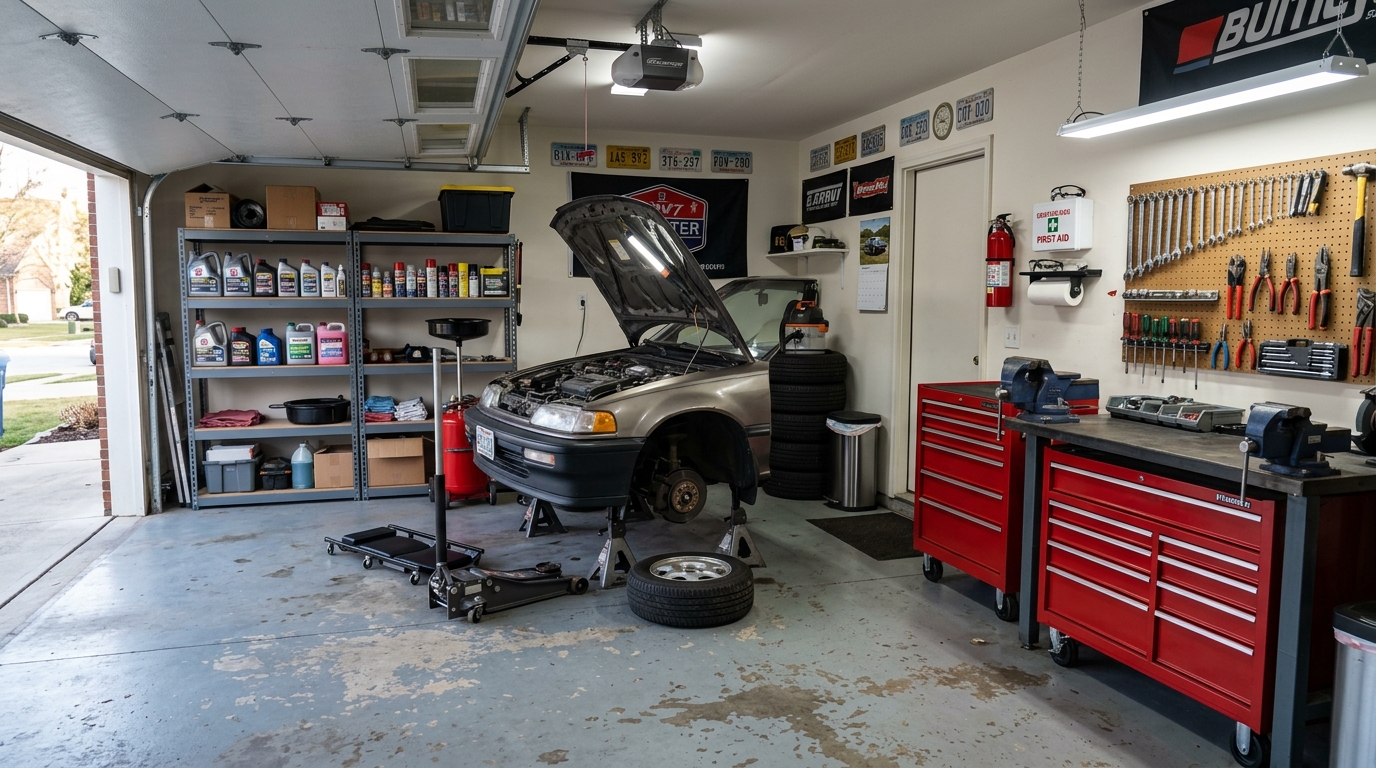
Setting up a home garage for car repairs can be a rewarding and practical endeavor for any car enthusiast or DIYer. Imagine having the convenience of fixing and maintaining your vehicle right in your own space, saving time and money in the long run. With the right tools, equipment, and organization, you can transform your garage into a functional workspace that allows you to tackle various automotive projects with ease.
Assessing the Space
Assessing the space available in your garage is crucial before setting up a functional workspace. Start by measuring the dimensions of the area to determine how much room you have to work with. Take note of any obstacles or obstructions that may impact the layout of your workspace, such as support beams, windows, or garage doors. Consider factors like lighting and ventilation to ensure a comfortable and safe working environment.
Additionally, think about how you will utilize different zones within the garage. Designate areas for specific tasks like woodworking, automotive work, or general storage. Keep in mind the workflow and accessibility of tools and equipment to optimize efficiency. By carefully assessing the space and planning your layout accordingly, you can create a well-organized and functional garage workspace that meets your specific needs.
3. Organizing Tools and Equipment
Proper organization of tools and equipment in a garage is essential for efficiency and safety. Utilizing pegboards, shelves, cabinets, and tool chests can help keep everything in its place and easily accessible. Categorizing tools based on their type or frequency of use can further streamline the organization process.
Labeling storage containers and drawers can also save time and prevent frustration when searching for specific tools. Additionally, creating designated areas for different types of tools, such as power tools, hand tools, and gardening equipment, can enhance overall organization. Regularly decluttering and getting rid of unused or broken tools is crucial to maintaining an organized garage workspace.

4. Setting Up Workstations
Workstation Layout: When setting up workstations in a garage, it is crucial to consider the workflow and accessibility of tools and equipment. Arrange workstations in a way that allows for efficient movement between tasks and minimizes unnecessary walking or reaching. Keep frequently used tools within arm’s reach and organize them logically to streamline the work process.
Lighting and Ventilation: Adequate lighting and ventilation are essential for a functional workspace. Ensure that workstations are well-lit to prevent eye strain and accidents. Additionally, proper ventilation is necessary to maintain air quality and reduce the risk of exposure to harmful fumes or gases. Consider installing task lighting and ventilation systems to create a safe and comfortable working environment in the garage.
Safety Measures
Safety in the garage is of utmost importance to prevent accidents and injuries. Make sure to always wear appropriate personal protective equipment (PPE) such as safety goggles, gloves, and closed-toe shoes when working on projects. Additionally, be mindful of loose clothing that could get caught in machinery. It is crucial to keep the workspace well-ventilated to prevent the buildup of fumes from vehicles or equipment. Implementing proper lighting in the garage is essential to ensure good visibility and prevent accidents due to poor lighting conditions.
Always follow safety guidelines and procedures for any equipment or tools being used. Regularly inspect tools and equipment for any signs of damage or wear and tear, and ensure they are in good working condition before use. Properly store tools and equipment when not in use to prevent tripping hazards. In case of emergencies, make sure to have a first aid kit readily available in the garage and know how to use it. By prioritizing safety measures in the garage, you can create a secure and efficient workspace for all your projects.
6. Maintaining the Garage
Maintaining your garage is essential to ensure it remains a functional and safe space for your projects. Regular maintenance tasks include keeping the area clean and organized, checking for any signs of wear and tear, and addressing any issues promptly. By maintaining a clean garage, you can reduce the risk of accidents and injuries, as well as prevent damage to your tools and equipment.
Regular inspections of your garage can help you identify any potential hazards or maintenance needs. Check for leaks, cracks, or damage to the walls, floor, and ceiling. Inspect your tools and equipment for any signs of damage or malfunction. By addressing issues as soon as they arise, you can prevent more significant problems down the line and ensure your garage remains a safe and efficient workspace for your projects.
Conclusion
In conclusion, organizing and maintaining a garage is essential for maximizing space, efficiency, and safety. By assessing the available space, organizing tools and equipment, setting up workstations, implementing safety measures, and establishing a maintenance routine, you can create a functional and safe workspace. Remember to regularly declutter, clean, and inspect your garage to ensure a well-organized and hazard-free environment. By following these steps, you can transform your garage into a productive and safe area for DIY projects, hobbies, or storage needs. With proper organization and maintenance, your garage can become a valuable space that enhances your home and daily activities.