
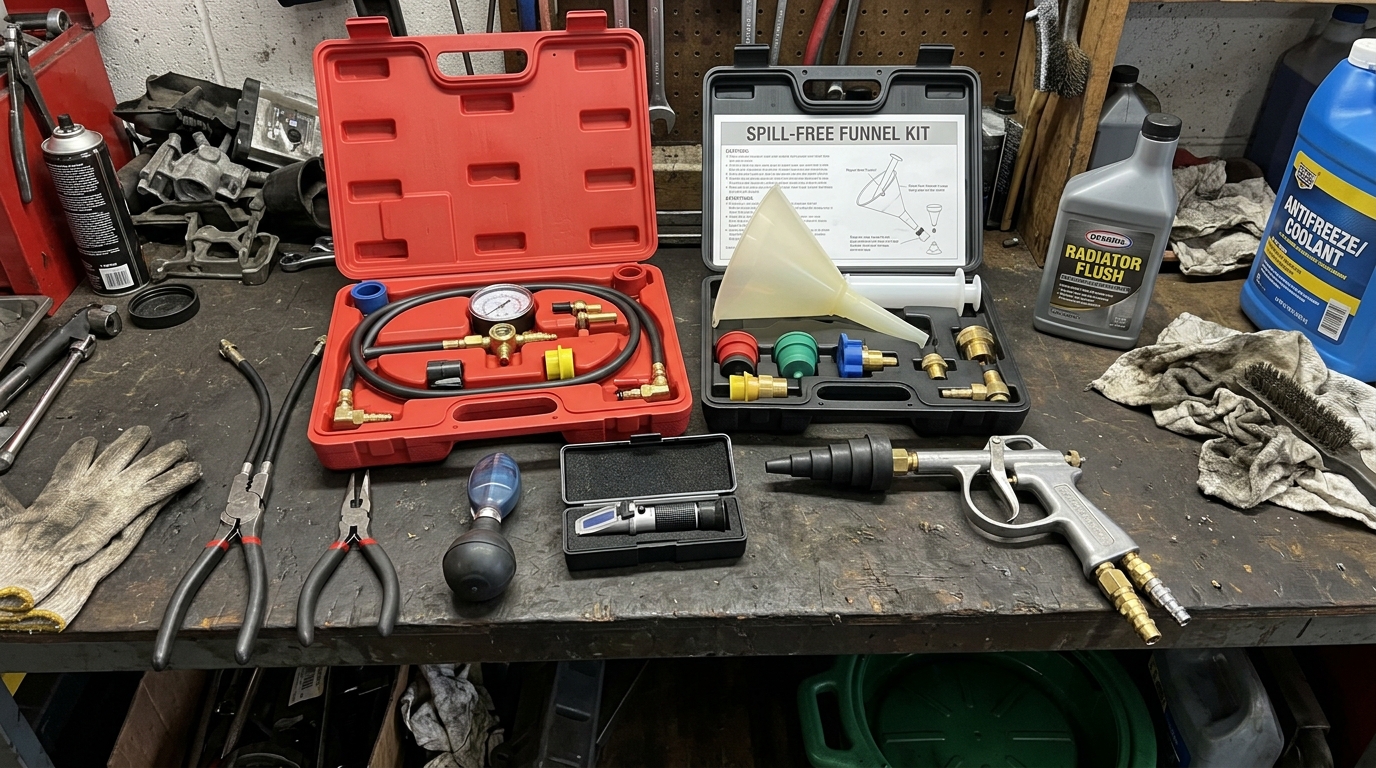
Discover the essential tools you need to perform a flawless coolant flush with ease and efficiency. Whether you’re a seasoned mechanic or a DIY enthusiast, having the right equipment can make all the difference in maintaining your vehicle’s cooling system. From innovative flush kits to specialized adapters, we’ll guide you through the top coolant flush tools that will streamline the process and ensure optimal performance for your car.
Benefits of Coolant Flush
Coolant flushes offer several benefits for your vehicle’s cooling system: Firstly, it helps to remove old, contaminated coolant that may have lost its effectiveness in regulating engine temperature. Over time, coolant can become acidic and lose its anti-corrosive properties, potentially leading to internal corrosion in the radiator and engine components. By flushing out the old coolant and replacing it with fresh coolant, you can prevent such issues and extend the lifespan of your cooling system.
Secondly, a coolant flush can help to remove built-up debris, rust, and other contaminants that may hinder the proper flow of coolant through the system. Improved coolant flow means better heat dissipation, which is crucial for preventing overheating and maintaining optimal engine performance. Overall, regular coolant flushes are a simple yet effective way to keep your vehicle’s cooling system in top condition and avoid costly repairs down the line.
Top Coolant Flush Tools
1. Coolant Flush Kit: A coolant flush kit typically includes a funnel, hose, and adapters to help facilitate the flushing process. The kit allows for a more controlled and efficient flushing of the coolant system, ensuring that old coolant is completely removed.
2. Ratchet and Socket Set: Having a ratchet and socket set is essential for removing the drain plug on the radiator and accessing other components of the cooling system. This tool will make the process of draining the old coolant much easier and quicker.
3. Coolant Vacuum Fill Tool: A vacuum fill tool helps to eliminate air pockets in the cooling system by drawing a vacuum and then refilling the system with fresh coolant. This tool ensures that the coolant is properly circulated throughout the system, preventing overheating and potential damage.
How to Perform a Coolant Flush
Step 1: Drain the old coolant
Start by locating the drain plug at the bottom of the radiator. Place a drain pan underneath and carefully open the plug to let the old coolant drain out completely.
Step 2: Flush the system
Once all the old coolant is drained, close the drain plug and fill the radiator with a mixture of coolant and water as per the manufacturer’s recommendations. Start the engine and let it run for a few minutes to circulate the new coolant throughout the system.
Step 3: Check for leaks and top off
After running the engine, check for any leaks around the radiator or hoses. Once you confirm there are no leaks, top off the coolant to the recommended level. Double-check the coolant mixture and adjust if needed.
Comparison of Coolant Flush Tools
Coolant Flush Kit: A coolant flush kit typically includes a flushing gun, hose, and various adapters to fit different vehicles. This tool allows for a more thorough and efficient coolant flush by using pressurized air to force out old coolant and debris from the system.
Vacuum Coolant Refill Kit: A vacuum coolant refill kit is designed to remove air pockets and properly refill the cooling system with fresh coolant. This tool uses a vacuum to extract air and create a vacuum seal, allowing coolant to be drawn into the system quickly and without air bubbles.
Tips for Maintaining Coolant System
Regular Inspections: One important tip for maintaining a coolant system is to conduct regular inspections of the system. This includes checking for any leaks, inspecting hoses for cracks or wear, and ensuring the coolant level is adequate. By catching any issues early on, you can prevent more serious problems from developing.
Use High-Quality Coolant: It is crucial to use high-quality coolant that is compatible with your vehicle’s specifications. Low-quality coolant can lead to corrosion, buildup, and inefficiencies in the cooling system. Make sure to follow the manufacturer’s recommendations for the type of coolant to use and the proper mixture ratio.
Conclusion
After performing a coolant flush on your vehicle, it is crucial to ensure that the system is functioning properly to prevent overheating and engine damage. Regular maintenance of the coolant system can help extend the life of your vehicle and improve its overall performance. By following the recommended guidelines for coolant flushes and using the appropriate tools, you can keep your engine running smoothly and avoid costly repairs in the future.
Remember to always consult your vehicle’s manual for specific instructions on coolant flush intervals and procedures. If you are unsure about performing a coolant flush yourself, it is recommended to seek professional help to ensure the job is done correctly. With proper care and maintenance, your vehicle’s coolant system will continue to operate efficiently, keeping your engine cool and running at optimal levels for miles to come.