
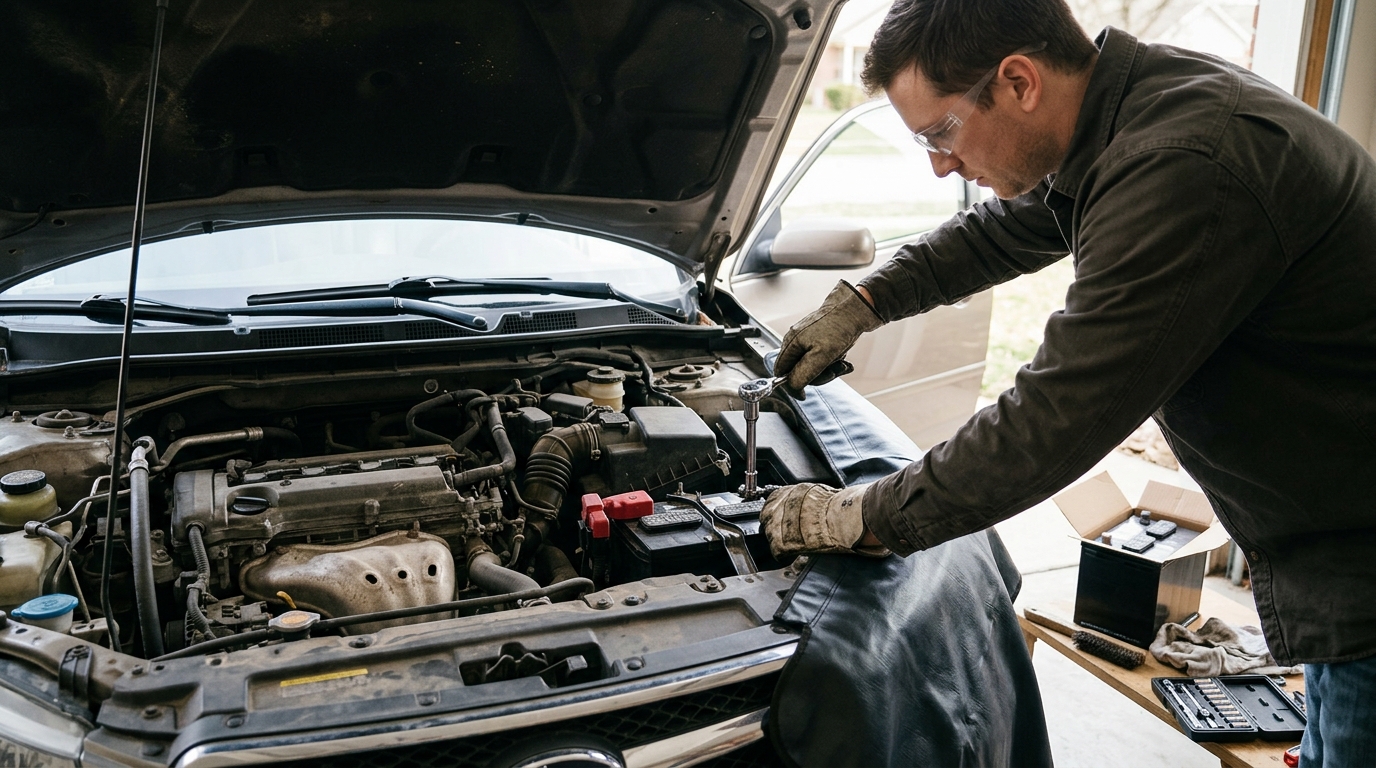
“Are you tired of the stress and uncertainty that comes with replacing your car battery? Look no further! In this guide, we will walk you through the simple and safe steps to replace your car battery with ease. Say goodbye to expensive mechanic fees and hello to the satisfaction of taking matters into your own hands. Let’s dive in and get you back on the road in no time!”
Importance of replacing a car battery
Regularly replacing a car battery is crucial to ensure the proper functioning of a vehicle’s electrical system. Over time, car batteries lose their ability to hold a charge effectively, leading to issues such as difficulty starting the engine, dimming headlights, and weak performance of electrical components. By replacing a worn-out battery promptly, drivers can avoid the inconvenience of getting stranded due to a dead battery.
Moreover, a failing battery can put undue stress on the alternator and other electrical components of the vehicle, potentially leading to costly repairs down the line. By proactively replacing the battery at the recommended intervals, drivers can maintain the overall health of their vehicle and prevent unexpected breakdowns on the road.
3. Tools and materials required
Replacing a car battery requires a few essential tools and materials to ensure a smooth and successful process. First and foremost, you will need a new car battery that is compatible with your vehicle’s make and model. It is also important to have a pair of safety gloves to protect your hands from any potential hazards, such as battery acid.
Additionally, you will need a set of wrenches or socket wrenches to loosen and tighten the battery terminals. A battery cleaning brush is handy for removing any corrosion from the terminals, ensuring a good connection. Lastly, having a battery terminal cleaner or a solution of baking soda and water can help clean any buildup on the terminals for optimal performance.

Steps to safely replace a car battery
Step 1: Ensure the vehicle is parked on a flat surface with the engine turned off and the parking brake engaged. Open the hood of the car and locate the battery.
Step 2: Identify the positive (+) and negative (-) terminals of the battery. It’s crucial to disconnect the negative terminal first to prevent any electrical mishaps.
Step 3: Loosen the nuts or bolts securing the battery cables to the terminals using the appropriate tools. Carefully remove the cables, starting with the negative cable and then the positive cable.
Step 4: Remove any clamps, brackets, or holders that secure the battery in place. Lift the old battery out of the battery tray using both hands, as car batteries can be heavy.
Step 5: Place the new battery into the tray, ensuring it is positioned correctly with the positive and negative terminals on the correct sides. Reattach any clamps or brackets to secure the new battery in place.
Step 6: Reconnect the battery cables, starting with the positive cable and then the negative cable. Ensure the connections are tight to prevent any issues with starting the vehicle.
5. Precautions to take
1. Safety first: Before replacing a car battery, always ensure your safety by wearing protective gear such as gloves and safety glasses. Car batteries contain sulfuric acid, which can be harmful if it comes into contact with your skin or eyes. Additionally, make sure to work in a well-ventilated area to avoid inhaling any harmful fumes.
2. Disconnect the negative terminal first: When removing the old battery, always disconnect the negative terminal first to avoid any electrical mishaps. This will prevent any accidental short circuits or sparks that could potentially cause harm to you or damage to the vehicle.
3. Proper disposal: Car batteries are considered hazardous waste and should be disposed of properly. Once you have replaced the old battery with a new one, make sure to recycle the old battery at a designated recycling center or return it to the store where you purchased the new battery. Avoid disposing of old batteries in regular trash bins.
6. Testing the new battery
Testing the new battery is a crucial step to ensure that it is functioning correctly and ready for use in your car. One common method to test a new car battery is by using a multimeter. Start by setting the multimeter to the DC voltage setting, then connect the red lead to the positive terminal of the battery and the black lead to the negative terminal. A fully charged battery should read around 12.6 to 12.8 volts. If the voltage is significantly lower, the battery may not be fully charged or could be defective.
Another test involves starting the car with the new battery installed. If the engine starts smoothly and the electrical systems function properly, it indicates that the new battery is working as it should. Additionally, some auto parts stores offer battery testing services, where they can assess the health and performance of the new battery before installation. By conducting these tests, you can ensure that the new battery is in good condition and will provide reliable power to your vehicle.
Conclusion
Replacing a car battery is a relatively simple task that can save you time and money in the long run. By following the steps outlined in this guide, you can ensure that your vehicle starts reliably and operates smoothly. Remember to always prioritize safety by wearing protective gear, disconnecting the old battery properly, and handling the new battery with care. Regularly checking and maintaining your car battery can help prevent unexpected breakdowns and keep your vehicle running efficiently. In conclusion, with the right tools, precautions, and knowledge, replacing a car battery can be a straightforward DIY task that any car owner can confidently undertake.