
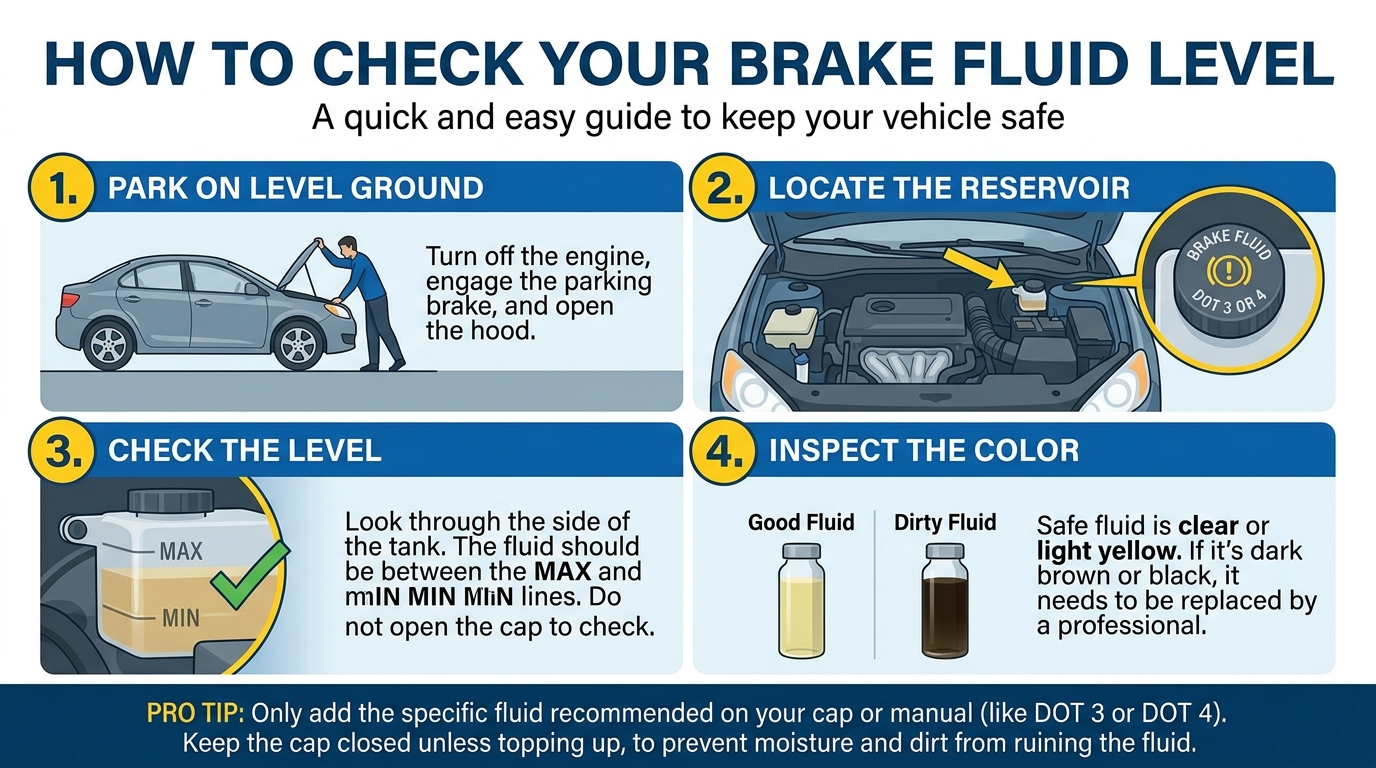
Checking your brake fluid level is an essential part of vehicle maintenance that is often overlooked. Proper brake fluid levels are crucial for your safety on the road, as they ensure that your brakes function effectively. In this guide, we will walk you through the simple steps to check your brake fluid level, allowing you to stay proactive in caring for your vehicle and ensuring a smooth and safe driving experience.
Importance of Brake Fluid
Brake fluid plays a crucial role in the proper functioning of a vehicle’s braking system. It is a hydraulic fluid that transfers the pressure from the brake pedal to the braking components, such as the calipers and wheel cylinders. Without an adequate amount of brake fluid, the braking system may fail to function correctly, leading to dangerous consequences.
Brake fluid also helps prevent corrosion and rust within the braking system. Over time, moisture can accumulate in the brake fluid, reducing its effectiveness. Regularly checking and maintaining the brake fluid level is essential to ensure optimal performance and safety while driving. Ignoring the importance of brake fluid maintenance can result in decreased braking efficiency and potentially hazardous situations on the road.
Tools Needed
When checking your brake fluid level, it is important to have the right tools on hand to ensure accuracy and safety. Here are the essential tools you will need:
- Clean Cloth or Paper Towel: Used to wipe the brake fluid reservoir cap and surrounding area clean before removing it to prevent any dirt or debris from entering the system.
- Flashlight: Helps illuminate the brake fluid reservoir, making it easier to see the fluid level.
- Brake Fluid Tester or Dipstick: An optional tool that can be used to check the condition and moisture content of the brake fluid. Alternatively, a dipstick can be used to measure the fluid level if the reservoir is not transparent.
- New Brake Fluid: In case topping up the brake fluid is necessary, it is important to have the correct type of brake fluid recommended by the manufacturer on hand.
- Owner’s Manual: Always refer to the vehicle’s owner’s manual for specific instructions and safety precautions related to checking and topping up brake fluid.

4. Steps to Check Brake Fluid Level
Step 1: Ensure your vehicle is parked on a flat surface and the engine is turned off. This will prevent any accidents or injuries while checking the brake fluid.
Step 2: Locate the brake fluid reservoir in the engine bay. It is usually a small, translucent container near the firewall of the car.
Step 3: Clean the top of the reservoir with a cloth to prevent any dirt or debris from contaminating the brake fluid when you open it.
Step 4: Check the fluid level against the markings on the side of the reservoir. The level should be between the minimum and maximum lines. If it is below the minimum line, you need to top it up.
Step 5: If the brake fluid is low, carefully remove the cap of the reservoir and add the appropriate type of brake fluid recommended by the manufacturer. Be cautious not to spill any fluid on the engine or surrounding components.
5. Signs of Low Brake Fluid
Visual Inspection: One of the most common signs of low brake fluid is a decrease in the fluid level in the brake fluid reservoir. You can visually inspect the reservoir to check the fluid level. If it is below the “minimum” mark, it indicates that the brake fluid is low.
Warning Light: Many modern vehicles are equipped with a dashboard warning light that illuminates when the brake fluid level is low. If you see a warning light that looks like an exclamation mark inside a circle, it is time to check the brake fluid level and top it up if necessary.
Soft Brake Pedal: Another sign of low brake fluid is a soft or spongy brake pedal. If you notice that your brake pedal feels softer than usual or sinks to the floor when you press it, it could indicate a lack of an adequate amount of brake fluid in the system.
6. When to Top Up Brake Fluid
Brake fluid is a critical component of your vehicle’s braking system and should be regularly checked and topped up to ensure optimal performance. It is recommended to top up the brake fluid when it falls below the minimum level indicated on the reservoir. Additionally, if you notice any signs of low brake fluid, such as a soft brake pedal or illuminated brake warning light on your dashboard, it is essential to top up the fluid immediately.
Regular maintenance of brake fluid is crucial to ensure the safety and efficiency of your vehicle’s braking system. It is advisable to check the brake fluid level at least once every few months or as recommended in your vehicle’s owner’s manual. Remember that maintaining the proper level of brake fluid is vital for safe driving and can help prevent potential brake system failures.
Conclusion
Brake fluid is a critical component of a vehicle’s braking system, ensuring smooth and efficient operation. Regularly checking and maintaining the proper level of brake fluid is essential for safe driving. By following the steps outlined in this guide, you can easily monitor the brake fluid level in your vehicle and address any issues promptly.
Remember, safety should always be a top priority when it comes to vehicle maintenance. If you notice any signs of low brake fluid or suspect a leak, it is important to address the issue immediately to prevent potential brake failure. Properly maintaining your vehicle’s brake fluid level will help ensure optimal braking performance and keep you safe on the road.