
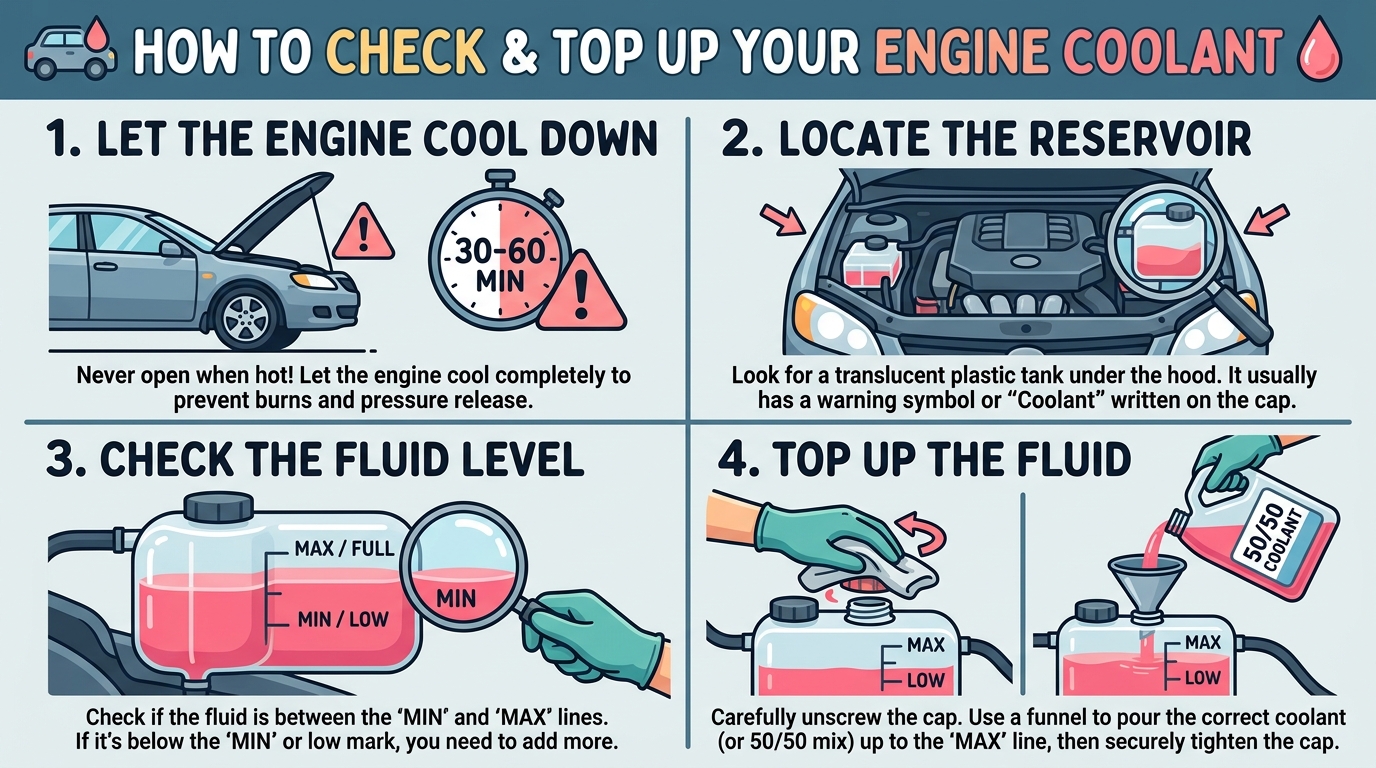
Discovering how to effectively check and top up your coolant can be a crucial skill for any vehicle owner. Proper maintenance of your coolant system is essential in ensuring the longevity and performance of your car’s engine. By understanding the process of checking and topping up your coolant, you can prevent potential overheating issues, engine damage, and costly repairs. Let’s delve into the steps involved in this simple yet vital maintenance task.
Importance of Coolant
Coolant is a vital component of a vehicle’s cooling system that helps regulate the engine temperature and prevent it from overheating. It is typically a mixture of water and antifreeze that circulates through the engine, absorbing heat and transferring it to the radiator where it is dissipated. Proper coolant levels and quality are crucial for maintaining the engine’s optimal operating temperature and preventing damage due to overheating.
Low coolant levels can lead to engine overheating, which can cause serious damage to the engine components. In extreme cases, overheating can even result in engine failure. Regularly monitoring and maintaining coolant levels is essential for the overall health and performance of your vehicle, as it helps ensure that the engine operates within the recommended temperature range.
Signs of Low Coolant Levels
Low coolant levels in a vehicle can lead to various issues that may affect its performance and longevity. One of the most common signs of low coolant levels is engine overheating. When there isn’t enough coolant to regulate the engine’s temperature, it can quickly overheat, potentially causing severe damage. Keep an eye on your vehicle’s temperature gauge and be cautious of any sudden spikes in temperature, as this could indicate low coolant levels.
Another sign to watch out for is a coolant leak. If you notice a puddle of bright-colored fluid (usually green, orange, or pink) under your vehicle, it could be a sign of a coolant leak. Leaks can occur due to various reasons, such as a damaged hose or a faulty radiator. It’s essential to address coolant leaks promptly to prevent further damage to the engine and ensure the vehicle’s optimal performance.
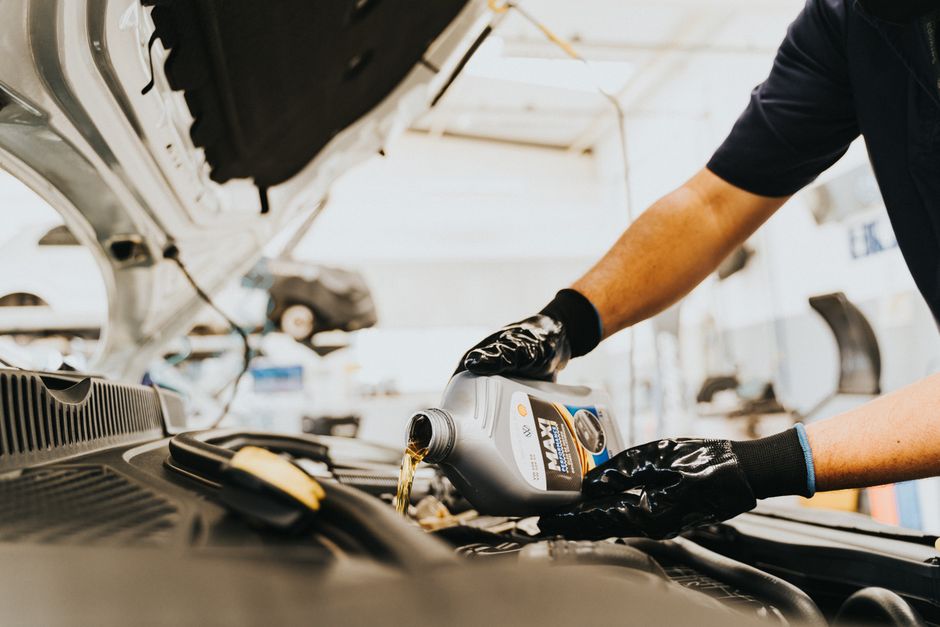
4. How to Check Coolant Levels
Checking your coolant levels regularly is essential to ensure your vehicle’s engine stays cool and operates efficiently. Here’s how you can check your coolant levels:
Step 1: Park your vehicle on a flat surface and wait for the engine to cool down completely.
Step 2: Locate the coolant reservoir under the hood. It is typically a translucent plastic tank with “coolant” markings.
Step 3: Ensure the coolant level is between the “minimum” and “maximum” markings on the reservoir. If it is below the minimum level, you need to top it up.
Step 4: If you need to open the radiator cap to check the coolant level, make sure the engine is completely cool to avoid burns. Use a towel to turn the cap slowly to release any pressure before opening it fully.
Step 5: Use a coolant hydrometer to also check the concentration and condition of the coolant. It should be at the recommended ratio of coolant to water to ensure proper protection against freezing and overheating.
5. How to Top Up Coolant
Topping up coolant is a simple process that helps ensure your vehicle’s engine stays cool and operates efficiently. To begin, make sure your engine is cool before attempting to add coolant. Locate the coolant reservoir, often a translucent plastic tank near the radiator. Check the coolant level by looking at the markings on the side of the reservoir.
Next, open the reservoir cap carefully to release any pressure buildup. Add a mixture of coolant and water to the reservoir, following your vehicle manufacturer’s recommendations for the correct coolant type and ratio. Be cautious not to overfill, as this can lead to leaks or overheating. Once you’ve topped up the coolant, securely close the reservoir cap and run the engine for a few minutes to ensure proper circulation of the coolant throughout the system.
Tips for Maintaining Coolant Levels
Regular Inspections: Make it a habit to check your vehicle’s coolant levels regularly, especially before long trips or during extreme weather conditions. This simple task can help you catch any issues early and prevent potential overheating problems.
Use the Right Coolant: Always use the coolant recommended by your vehicle’s manufacturer. Different vehicles may require different types of coolant, so be sure to follow the guidelines specified in your owner’s manual to ensure optimal performance and longevity of your cooling system.
Keep the System Clean: Over time, coolant can accumulate dirt, rust, or other contaminants that can affect its efficiency. Consider flushing the cooling system periodically as recommended by the manufacturer to remove any buildup and keep the system clean and functioning properly.
Conclusion
Congratulations on completing this guide on coolant maintenance! By understanding the importance of coolant, recognizing signs of low levels, checking and topping up coolant properly, and following maintenance tips, you are now equipped to keep your vehicle’s cooling system in top condition. Remember, maintaining proper coolant levels is crucial for preventing overheating and costly engine damage. Regularly monitoring and servicing your coolant system will ensure your vehicle runs smoothly and efficiently.