
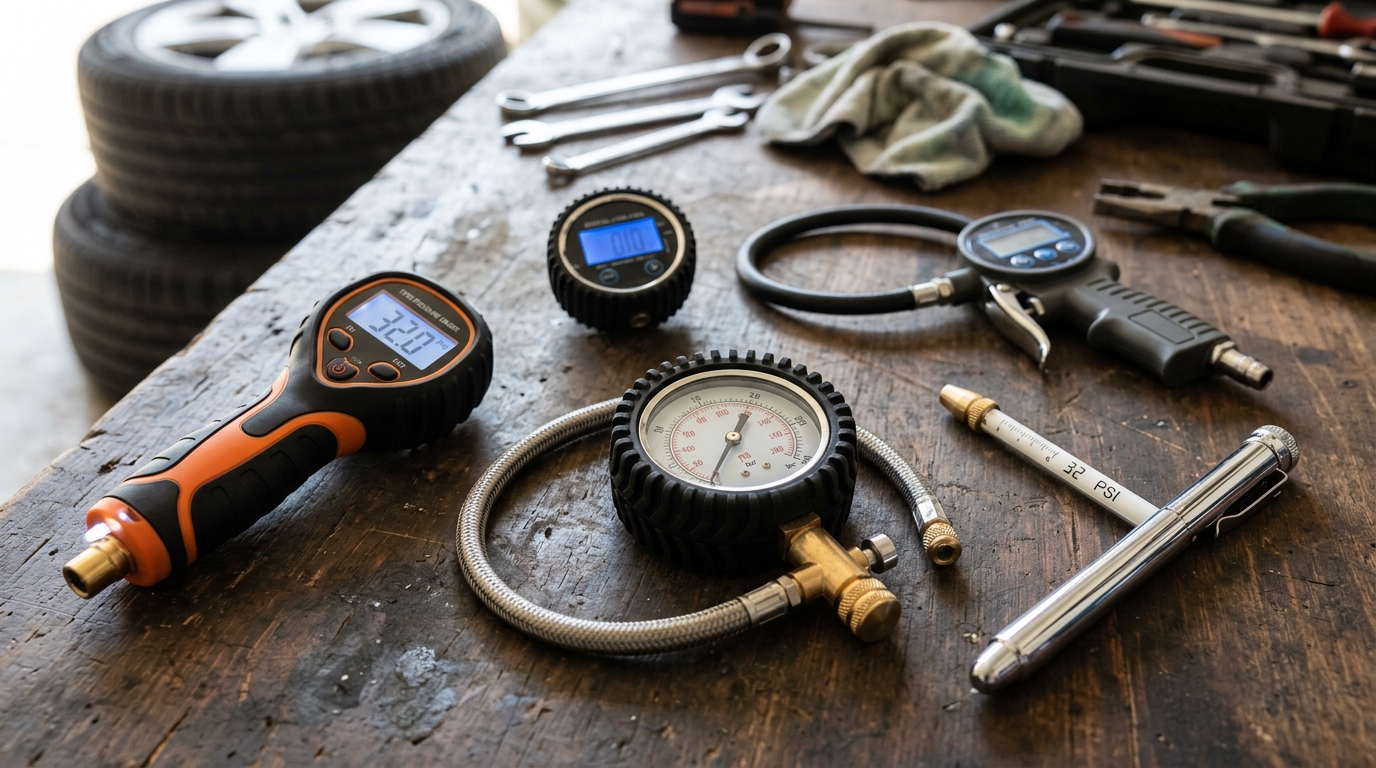
Discover the key to ensuring optimal performance and longevity for your vehicle with the best tyre pressure gauges on the market. By maintaining the correct tyre pressure, you not only enhance your safety on the road but also improve fuel efficiency and extend the lifespan of your tires. Dive into our comprehensive guide to find the perfect tyre pressure gauge that suits your needs and experience a smoother, more cost-effective driving experience.
Importance of Proper Tire Pressure
Proper tire pressure is crucial for both vehicle performance and safety. Maintaining the correct tire pressure ensures optimal fuel efficiency, even tire wear, and overall handling of the vehicle. Underinflated tires can lead to decreased fuel economy, poor traction, and increased risk of a blowout. On the other hand, overinflated tires can cause uneven wear, reduced traction, and a harsher ride. Additionally, incorrect tire pressure can impact braking distance and overall stability while driving, especially in emergency situations.
Types of Tire Pressure Gauges
Tire pressure gauges come in various types, each with its own set of features and benefits. The most common types include:
1. Dial Gauge: This type features a simple analog dial display that shows the tire pressure readings. Dial gauges are easy to use and provide accurate results.
2. Digital Gauge: Digital tire pressure gauges have a digital display that shows the pressure readings in a clear and easy-to-read format. They are known for their precision and reliability.
3. Stick Gauge: Stick gauges, also known as pencil gauges, are compact and portable. They typically have a small measuring rod that extends out to give the pressure reading.
4. Tire Pressure Monitoring System (TPMS): TPMS is a built-in system in modern vehicles that monitors the tire pressure and alerts the driver if it falls below a certain threshold. Some TPMS displays the pressure readings directly on the dashboard.
Choosing the right type of tire pressure gauge depends on your preference, budget, and specific needs. Whether you opt for a traditional dial gauge or a high-tech digital gauge, regular monitoring of tire pressure is essential for maintaining optimal vehicle performance and safety.
Top 5 Tire Pressure Gauges on the Market
When it comes to selecting a tire pressure gauge, accuracy and reliability are key factors to consider. Here are five of the top tire pressure gauges currently available on the market:
1. JACO FlowPro Digital Tire Inflator Gauge
JACO’s FlowPro Digital Tire Inflator Gauge is a popular choice among car enthusiasts and professionals. It features a large, backlit display for easy reading, precise pressure measurement, and a durable construction for long-lasting performance.
2. AstroAI Digital Tire Pressure Gauge
The AstroAI Digital Tire Pressure Gauge is known for its affordability and accuracy. It offers quick and reliable readings, a sleek design, and a user-friendly interface, making it a great option for everyday use.
3. TEKTON Digital Tire Gauge
The TEKTON Digital Tire Gauge is a compact and versatile option for those looking for a reliable tool. It provides accurate readings, a comfortable grip, and a simple push-button operation for convenience.
4. Accu-Gage Tire Pressure Gauge
The Accu-Gage Tire Pressure Gauge is a classic dial gauge known for its precision and durability. It features a shock-resistant design, easy-to-read dial, and a rugged build that can withstand rough handling.
5. Milton Single Chuck Head Pencil Tire Pressure Gauge
The Milton Single Chuck Head Pencil Tire Pressure Gauge is a budget-friendly option that doesn’t compromise on quality. It is compact, easy to use, and provides accurate readings, making it a reliable choice for basic tire pressure checks.
5. How to Use a Tire Pressure Gauge
Using a tire pressure gauge correctly is essential to ensure accurate readings and maintain optimal tire performance. First, remove the valve cap from the tire’s valve stem. Press the gauge onto the valve stem firmly and evenly to ensure a proper seal. You should hear a hissing sound as air is released into the gauge to measure the pressure.
Next, check the gauge reading and compare it to the recommended tire pressure for your vehicle, which can usually be found in the owner’s manual or on a sticker inside the driver’s side door jamb. If the pressure is too low, use an air compressor to inflate the tire to the correct PSI. If the pressure is too high, release some air by pressing the center pin in the valve stem using a small tool or the back of the gauge.
Tips for Maintaining Tire Pressure
Regularly check your tire pressure: It is essential to monitor your tire pressure at least once a month to ensure they are properly inflated. Underinflated tires can lead to increased fuel consumption, uneven wear, and poor vehicle handling. Overinflated tires, on the other hand, can result in a rough ride, reduced traction, and a higher risk of blowouts. By maintaining the correct tire pressure, you can improve fuel efficiency, prolong the life of your tires, and enhance overall safety.
Inspect for leaks and damage: Routinely inspect your tires for any signs of leaks or damage, such as punctures, cuts, or cracks. Even a small leak can cause your tires to lose pressure over time. If you notice any issues, have them promptly repaired or replaced to prevent further damage and maintain optimal tire pressure. Additionally, check the valve stems for leaks and ensure they are properly tightened to prevent air from escaping.
Conclusion
Proper tire pressure is crucial for ensuring safety, extending tire lifespan, and optimizing fuel efficiency. By regularly checking and maintaining the right tire pressure, drivers can enhance their driving experience and reduce the risk of accidents caused by underinflated or overinflated tires. Investing in a quality tire pressure gauge is a small yet significant step towards responsible vehicle ownership.
Remember, maintaining proper tire pressure is not just about convenience; it’s about safety and performance. Make it a habit to check your tire pressure at least once a month or before long trips. By following the guidelines on tire pressure provided by the manufacturer, you can enjoy a smoother and safer ride on the road while also saving money in the long run by avoiding premature tire wear and excessive fuel consumption.