
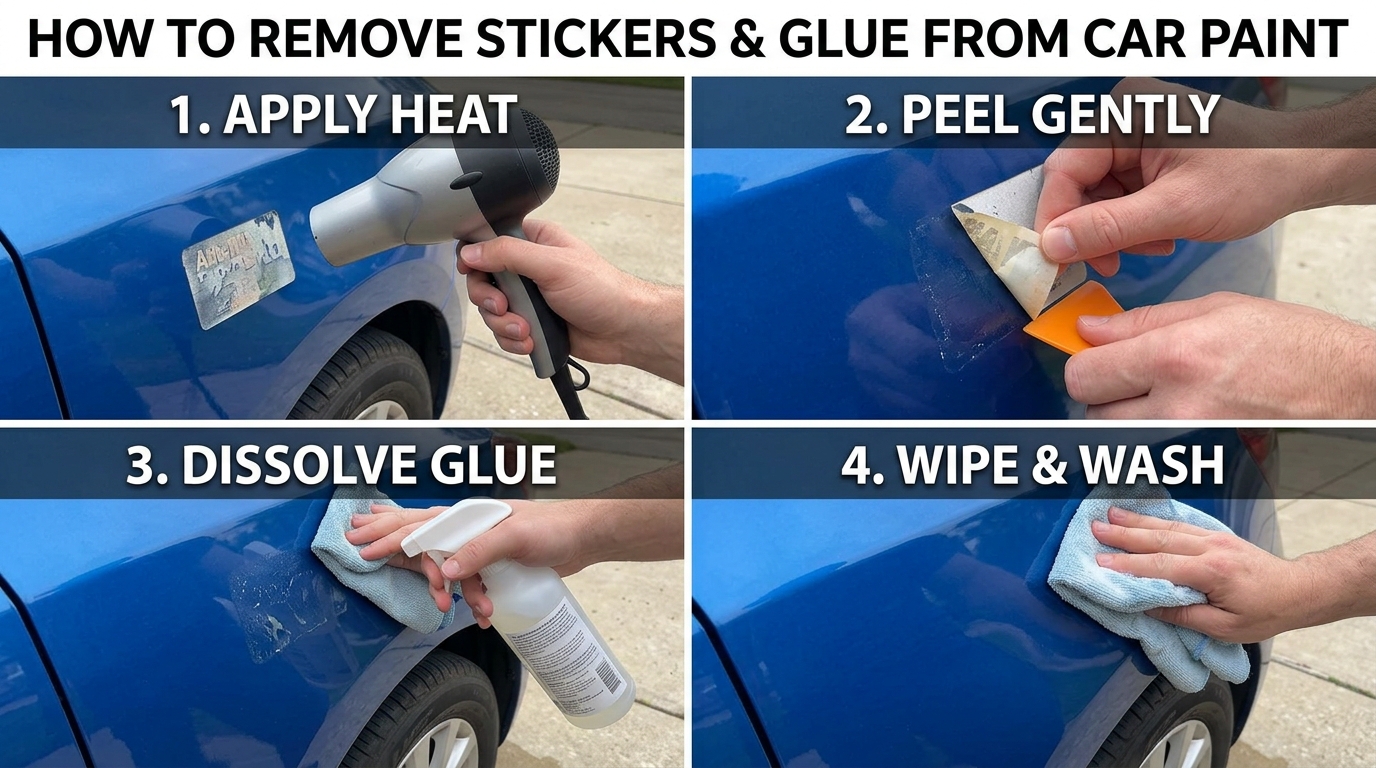
Are stubborn stickers and annoying glue residue ruining the appearance of your car’s paint job? Fear not! In this guide, we will explore effective methods and tips to safely remove stickers and glue from your car’s paint, restoring its pristine look without causing any damage. Say goodbye to unsightly blemishes and hello to a spotless finish that will make your car shine like new. Let’s dive in and discover the best ways to tackle this common problem.
Materials Needed
Materials needed for this project include: a saucepan, water, a stove, a thermometer, essential oils (e.g., lavender, peppermint), carrier oils (e.g., coconut, almond), beeswax, shea butter, glass jars or containers, labels, and any additional ingredients or scents you may want to add to your homemade lotion or cream. It is essential to gather all materials before starting the process to ensure a smooth and efficient DIY experience. Make sure to use high-quality ingredients for the best results and to avoid any potential skin irritations or allergic reactions.
Method 1: Using Heat
Using heat is a common method for various purposes in everyday life and can be effectively utilized in different scenarios. To apply heat as a method, one can use hot water, heating pads, hot towels, or heat packs. The application of heat helps to increase blood flow, relax muscles, and reduce stiffness in the affected area. It is particularly beneficial for relieving muscle pain, cramps, and mild injuries. Heat therapy can also be used to promote relaxation and alleviate stress.
When using heat therapy, it is essential to take precautions to avoid burns or skin damage. It is recommended to use a cloth or towel as a barrier between the heat source and the skin to regulate the temperature and prevent direct contact. Additionally, it is important to limit the duration of heat application to avoid overheating the skin or tissues. Overall, using heat as a method can be a simple yet effective way to manage pain, promote relaxation, and improve overall well-being.

Method 2: Using Oils
Using oils is another effective method for a variety of purposes, including cooking, skincare, and home remedies. Different types of oils offer unique benefits based on their composition and properties. For example, olive oil is commonly used for cooking due to its high smoke point and rich flavor, while coconut oil is popular in skincare products for its moisturizing and antimicrobial properties.
When using oils, it’s important to consider factors such as quality, purity, and application method. Cold-pressed oils are often preferred for their retention of nutrients and flavor, while refined oils may have a higher smoke point for cooking at high temperatures. Additionally, some oils are better suited for topical use, while others are safe for consumption. Proper storage is also crucial to maintain the freshness and efficacy of oils.
Method 3: Using Commercial Products
Commercial cleaning products are a convenient option for removing stubborn stains and dirt from various surfaces. These products are specially formulated with powerful chemicals and enzymes designed to break down grime effectively. When using commercial products, it is essential to follow the manufacturer’s instructions carefully to ensure optimal results and prevent damage to the surface being cleaned.
Before using any commercial cleaning product, it is advisable to test it on a small, inconspicuous area to check for any adverse reactions. Some commercial cleaners may contain harsh chemicals that can be harmful if not used properly. It is also crucial to wear gloves and work in a well-ventilated area when using these products to protect your skin and respiratory system from potential irritants.
Precautions to Take
When using heat for cooking: Always be cautious when handling hot surfaces, such as stovetops, ovens, and pans. Use oven mitts or potholders to protect your hands from burns. Make sure to turn off the heat source after cooking to prevent accidents. Keep flammable items away from the stove to avoid fires. Additionally, be mindful of steam burns when opening lids or containers.
When using oils: Be careful when heating oil, as it can splatter and cause burns. Never leave hot oil unattended on the stove. Always use a splatter guard when frying to prevent oil from splashing. After use, allow the oil to cool before disposing of it properly to avoid fire hazards. Keep a fire extinguisher handy in case of oil fires.
Conclusion
The conclusion of this experiment is that there are multiple effective methods for removing stubborn stains from clothing. Whether using heat, oils, or commercial products, each method has its own advantages and can be successful in removing different types of stains. It is important to consider the type of fabric and the nature of the stain when choosing a method to ensure the best results.
Additionally, taking proper precautions, such as testing the method on a small inconspicuous area first, wearing protective gear, and following the instructions carefully, can help prevent damage to the clothing and ensure safety during the stain removal process. By following these guidelines and selecting the appropriate method, you can successfully tackle tough stains and keep your clothing looking clean and fresh.