
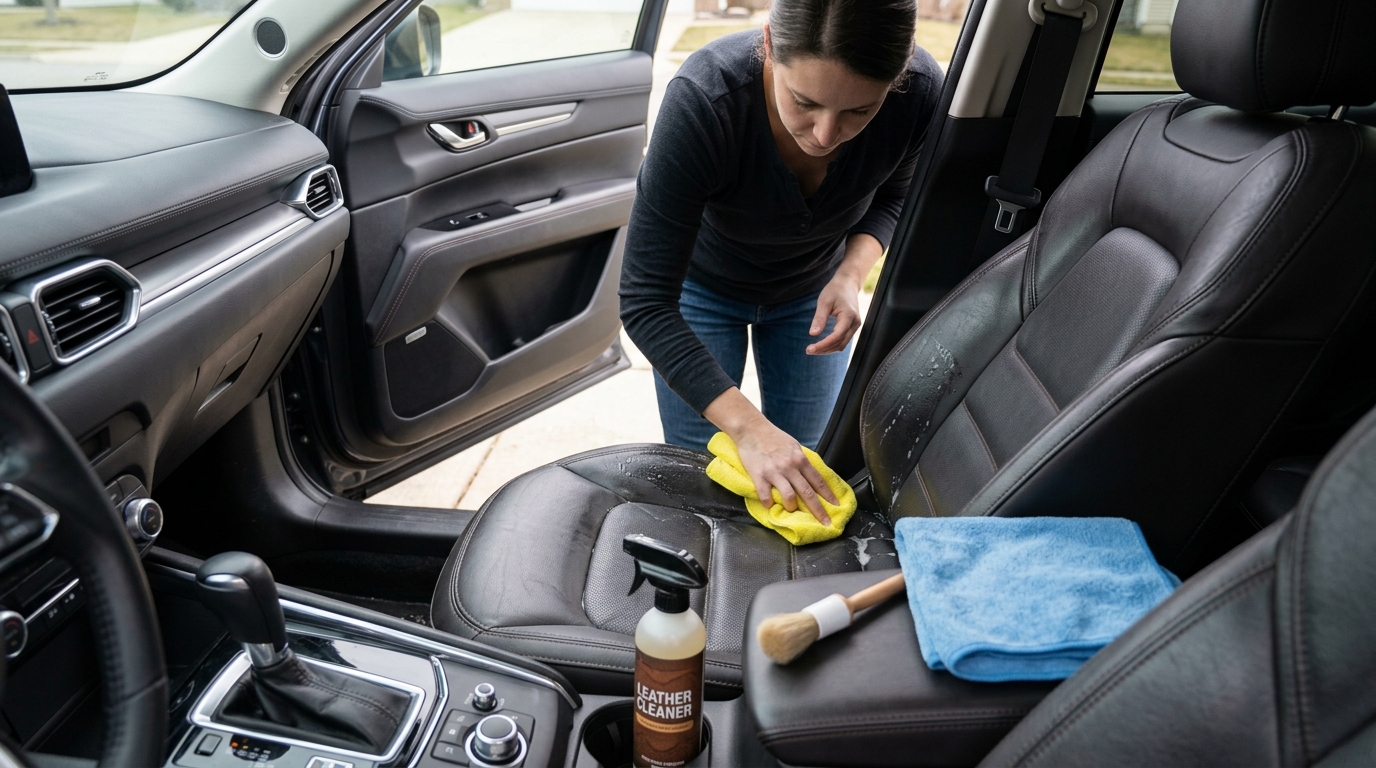
Cleaning leather car seats is an essential task to maintain the luxurious look and feel of your vehicle’s interior. Whether you want to remove dirt, stains, or simply refresh the leather, knowing the right techniques and products to use can make a world of difference. In this guide, we will walk you through the step-by-step process of cleaning leather car seats effectively, helping you achieve that showroom-worthy finish you desire.
Gather the necessary materials
To effectively clean and maintain leather car seats, it is essential to gather the necessary materials beforehand. You will need a vacuum cleaner with a brush attachment to remove dirt and debris from the seats. Additionally, have a high-quality leather cleaner specifically designed for automotive use on hand. Microfiber cloths or soft-bristled brushes can be used to apply the cleaner and gently scrub the leather surface. Lastly, it is important to have a leather conditioner and protector to restore moisture and provide a protective layer against future damage.
3. Vacuum the seats
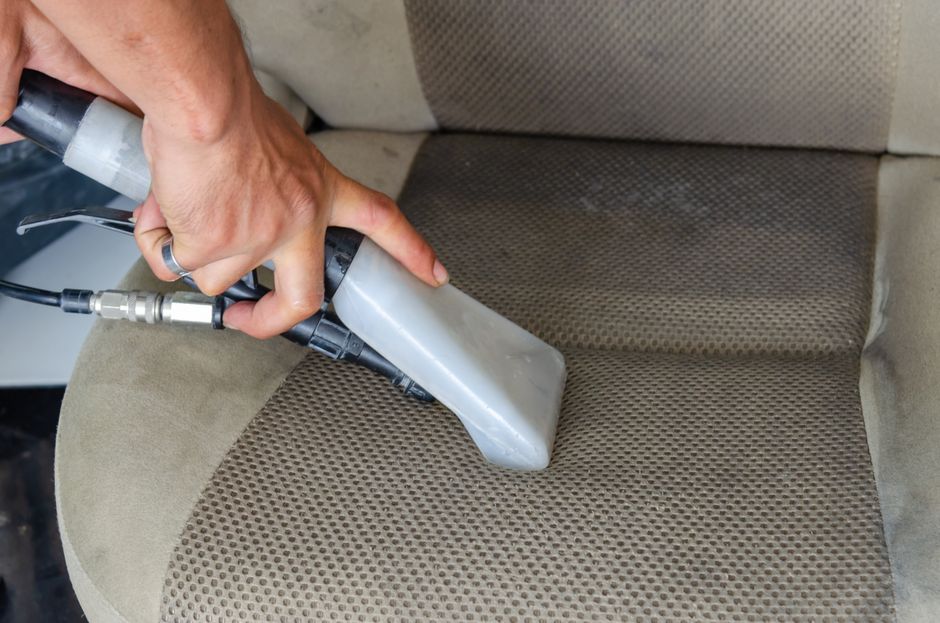
Vacuuming the seats is an essential step in cleaning leather car seats. Before starting, make sure to remove any large debris such as crumbs or dirt by hand. Using a soft brush attachment on a vacuum cleaner, gently vacuum the seats to remove dust, dirt, and other particles that may be embedded in the leather. Pay special attention to seams and crevices where dirt tends to accumulate.
Regular vacuuming helps prevent dirt and debris from scratching and damaging the leather surface. It also helps maintain the overall cleanliness of the seats. Take your time and ensure thorough coverage of all areas of the seats. Once vacuumed, the seats will be ready for the next steps in the cleaning process, ensuring a fresh and well-maintained look for your leather car seats.
4. Clean with a leather cleaner
When cleaning leather seats, it’s crucial to use a specialized leather cleaner to ensure the material is properly cared for. Leather cleaners are specifically formulated to gently remove dirt, grime, and stains without damaging the leather’s natural oils or texture. Before applying the cleaner, it’s advisable to test it on a small, inconspicuous area to ensure compatibility with your leather seats.
How to clean with a leather cleaner: Begin by vacuuming the seats to remove any loose dirt or debris. Next, apply the leather cleaner to a soft microfiber cloth and gently wipe down the seats in a circular motion. Make sure to cover the entire surface evenly, paying extra attention to any soiled or stained areas. Once you’ve cleaned the seats, use a clean, damp cloth to remove any excess cleaner residue. Allow the seats to dry completely before proceeding to the conditioning step for optimal results.
5. Condition the leather
Conditioning the leather is an essential step in maintaining the quality and longevity of your leather seats. Leather conditioner replenishes the natural oils that can dry out over time, keeping the leather soft and supple. Before applying the conditioner, make sure the seats are clean and dry to ensure optimal absorption.
Using a clean microfiber cloth, apply a small amount of leather conditioner to the surface of the seats. Work the conditioner into the leather in a circular motion, ensuring even coverage. Let the conditioner sit for the recommended time specified on the product label before buffing off any excess. Conditioning your leather seats regularly will help prevent cracking and fading, keeping them looking new for years to come.
6. Protect the leather
Protecting leather seats is essential to maintain their appearance and durability. One way to protect leather is by using a leather protectant or conditioner with UV protection. This helps prevent fading and cracking caused by exposure to sunlight. Apply the protectant following the manufacturer’s instructions, typically by spraying it onto a microfiber cloth and gently rubbing it onto the leather surface. Regular application of a leather protectant can also help repel liquids and stains, making it easier to clean up spills before they penetrate the leather.
Additionally, it’s important to avoid using harsh chemicals or cleaners on leather seats, as these can damage the material over time. Regularly cleaning the leather with a gentle leather cleaner and soft cloth can help maintain its softness and prevent it from drying out. By taking these preventive measures and establishing a routine maintenance schedule, you can prolong the life of your leather seats and keep them looking luxurious for years to come.
Conclusion
After following the steps outlined above, your leather car seats should now be looking clean, conditioned, and protected. Regular maintenance is key to preserving the quality and longevity of your leather seats. By vacuuming, cleaning, conditioning, and protecting the leather, you not only maintain its appearance but also prevent cracking, fading, and wear over time.
Remember to use high-quality products specifically designed for leather to avoid damaging the material. Additionally, establishing a routine cleaning schedule will help ensure that your leather seats stay in top condition for years to come. With proper care and attention, your leather car seats can continue to add a touch of luxury and elegance to your vehicle.