
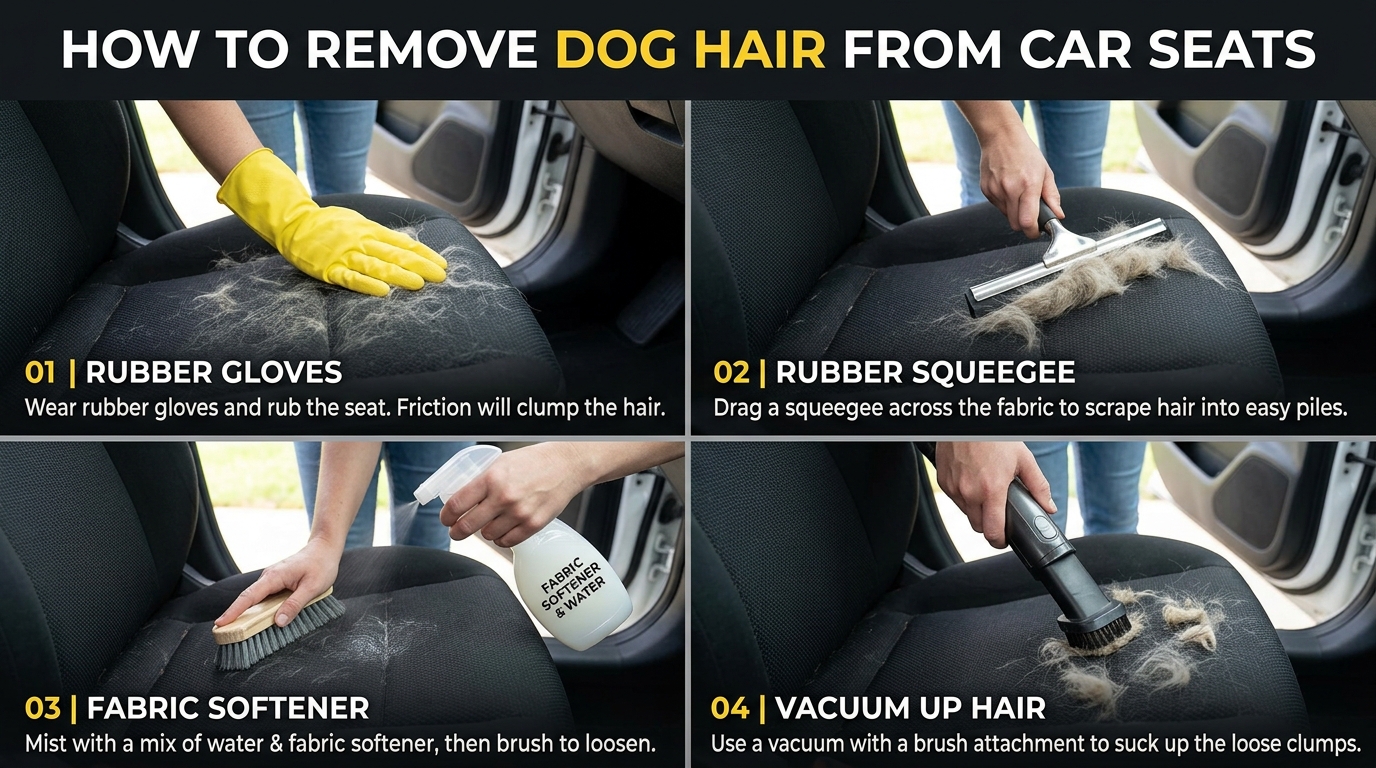
Are you tired of constantly battling dog hair in your car seats? Say goodbye to stubborn fur and unsightly messes with our simple and effective tips for removing dog hair from car seats. Save time and frustration with our expert advice on how to keep your vehicle looking clean and fresh.
Using a Vacuum Cleaner
Vacuum cleaners are effective tools for removing pet hair from various surfaces such as carpets, rugs, upholstery, and floors. When using a vacuum cleaner, it is important to choose a model with strong suction power and a brush roll specifically designed for pet hair removal. Start by vacuuming in overlapping strokes, going over the same area multiple times to ensure thorough hair removal.
For stubborn pet hair embedded in fabrics or carpet fibers, consider using a vacuum cleaner with a specialized pet hair attachment or a crevice tool to reach tight spaces. Additionally, regularly emptying the vacuum’s dustbin or replacing the bag will help maintain optimal suction power for efficient pet hair removal. Remember to vacuum not only the surfaces but also areas where pet hair tends to accumulate, such as corners, edges, and under furniture.
3. Using a Lint Roller
A lint roller is a handy tool for quickly and effectively removing lint, dust, pet hair, and other debris from clothing, upholstery, and other fabric surfaces. To use a lint roller, simply roll the adhesive surface over the fabric in a back-and-forth motion. The sticky surface of the lint roller will pick up and trap the unwanted particles, leaving your fabrics looking clean and fresh.
Lint rollers are particularly useful for removing pet hair from clothing and furniture. They are also convenient for quickly freshening up your outfit before heading out the door. Keep a lint roller in your car, purse, or desk drawer for easy access whenever you need to remove lint or pet hair on the go. Remember to replace the adhesive sheets on the lint roller when they become full to ensure optimal performance.

4. Using a Pet Hair Removal Glove
Pet hair removal gloves are a convenient and effective tool for removing pet hair from furniture, carpets, and clothing. These gloves typically have a textured surface that helps trap and lift pet hair with ease. To use a pet hair removal glove, simply put the glove on your hand and run it over the surface where pet hair needs to be removed. The glove will pick up the hair, leaving the surface clean and hair-free.
One of the advantages of using a pet hair removal glove is that it is gentle on most surfaces, making it suitable for delicate fabrics and furniture. Additionally, the glove can be easily cleaned by rinsing it with water or wiping it with a damp cloth. Pet hair removal gloves are a versatile tool that can be used on a variety of surfaces, making them a valuable addition to any pet owner’s cleaning arsenal.
5. Using a Rubber Broom
Rubber brooms are a versatile tool for removing pet hair from various surfaces in your home. The rubber bristles create static electricity that attracts and traps pet hair, making it easier to collect and dispose of. To use a rubber broom effectively, start by sweeping the broom over the surface in one direction, focusing on areas where pet hair tends to accumulate the most.
After sweeping, gather the collected hair into a pile and dispose of it properly. For best results, dampen the rubber bristles slightly with water before sweeping to enhance the broom’s ability to attract pet hair. Regular use of a rubber broom can help keep your floors, carpets, and furniture free of pet hair, making it a valuable tool for pet owners looking to maintain a clean home.
6. Using Fabric Softener and Water
Fabric softener and water can be an effective combination for removing pet hair from various surfaces. To use this method, mix equal parts of water and liquid fabric softener in a spray bottle. Lightly mist the solution onto the surface where the pet hair is located. The fabric softener helps to loosen the hair, making it easier to remove.
After spraying the fabric softener and water mixture, use a lint-free cloth or microfiber towel to wipe the surface. The pet hair should cling to the damp cloth due to the fabric softener’s properties. Repeat the process as needed until all the pet hair is removed. This method not only helps in removing pet hair but also leaves a pleasant scent behind, making it a versatile and practical solution for pet owners.
Conclusion
Concluding Thoughts on Pet Hair Removal Techniques
Implementing effective pet hair removal techniques is essential for maintaining a clean and hygienic living environment, especially for pet owners. In this guide, we have explored various methods for removing pet hair from different surfaces, including using a vacuum cleaner, lint roller, pet hair removal glove, rubber broom, and fabric softener with water.
Choosing the right method depends on the surface type and the amount of pet hair present. Experimenting with different techniques can help determine the most efficient and convenient method for each specific cleaning task. Remember to regularly clean surfaces and furniture to prevent the buildup of pet hair and maintain a fresh and tidy home.