
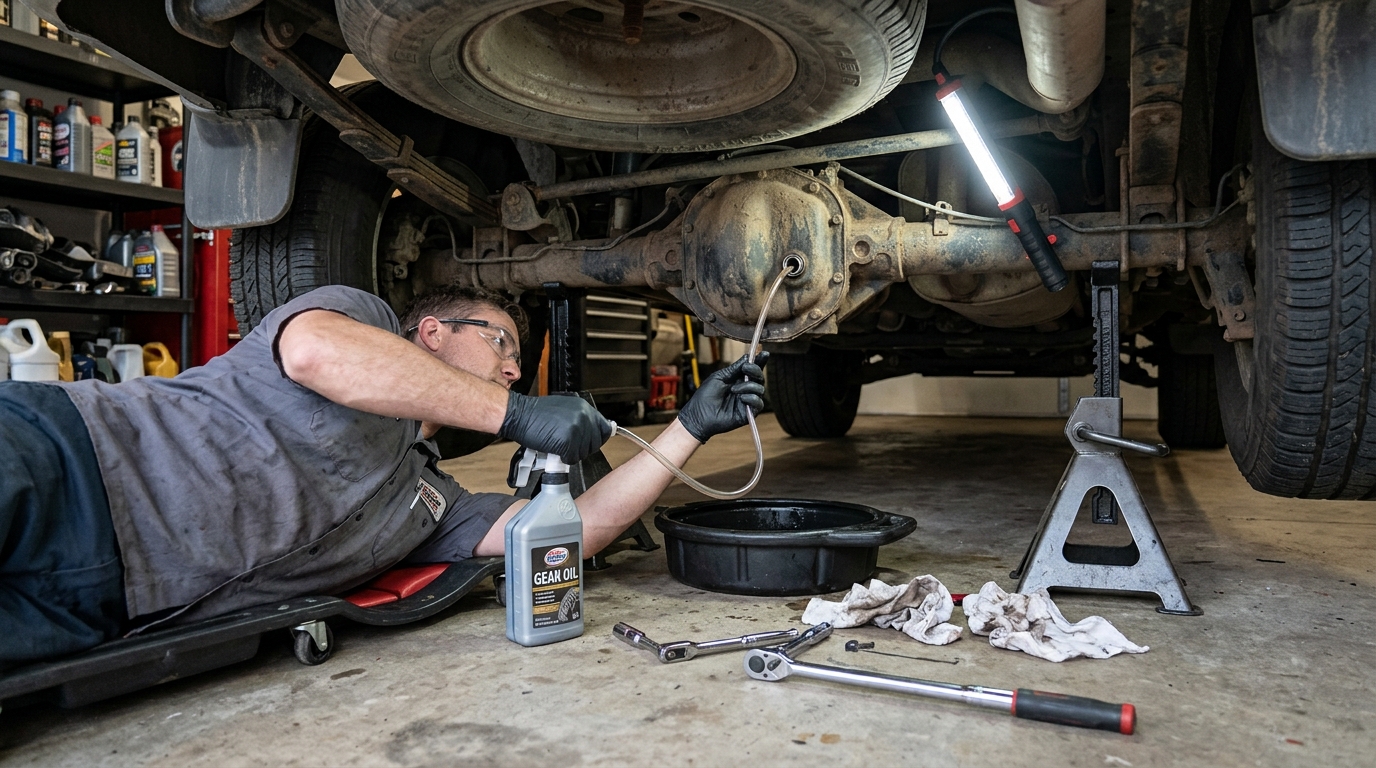
Changing your differential fluid is a crucial maintenance task that often gets overlooked, but it can have a significant impact on the performance and longevity of your vehicle. By understanding the importance of this simple yet essential process, you can ensure that your car runs smoothly and efficiently for years to come. In this guide, we will walk you through the steps of changing your differential fluid, providing you with the knowledge and confidence to tackle this task on your own.
Importance of Differential Fluid
Differential fluid plays a crucial role in ensuring the smooth operation and longevity of a vehicle’s differential system. The differential is responsible for transferring power from the engine to the wheels while allowing them to rotate at different speeds. The fluid inside the differential lubricates the gears and bearings, reducing friction and heat generated during operation.
Regularly changing the differential fluid is essential to maintain optimal performance and prevent costly repairs. Over time, the fluid can break down, become contaminated, or lose its lubricating properties, leading to increased wear and potential damage to the differential components. By following the manufacturer’s recommended maintenance schedule for changing the differential fluid, drivers can ensure the continued smooth operation of their vehicle’s differential system.
Tools and Materials Needed
When changing the differential fluid in your vehicle, it is important to have the right tools and materials on hand to ensure a smooth and successful process. Here are the essential items you will need:
Tools:
1. Jack and jack stands: These are necessary to lift your vehicle safely and securely to access the differential.
2. Socket wrench and sockets: To remove the fill plug and drain plug from the differential.
3. Drain pan: To catch the old fluid as it drains out of the differential.
4. Funnel: For easy and mess-free refilling of the differential with new fluid.
5. Torque wrench: To tighten the plugs to the manufacturer’s specifications.
Materials:
1. Differential fluid: Make sure to use the correct type and viscosity of fluid recommended by your vehicle’s manufacturer.
2. Shop towels or rags: To clean up any spills or messes during the fluid change process.
3. Safety glasses and gloves: To protect yourself from any potential splashes or spills of the differential fluid.
4. Sealant (if needed): Some differentials may require a new sealant for the plugs to prevent leaks.

Steps to Change Differential Fluid
Step 1: Prepare the Vehicle – Start by parking the vehicle on a level surface and engaging the parking brake. Ensure the engine is turned off and the vehicle is cool to the touch.
Step 2: Locate the Differential – The differential is typically found on the rear axle of rear-wheel-drive vehicles or on both the front and rear axles of all-wheel-drive vehicles. Consult the vehicle manual if unsure.
Step 3: Drain the Old Fluid – Place a drain pan under the differential and remove the drain plug. Allow the old fluid to drain completely before replacing the plug securely.
Step 4: Refill with New Fluid – Locate the fill plug on the differential housing and remove it. Use a pump or squeeze bottle to fill the differential with the appropriate type and amount of new differential fluid.
Step 5: Check for Leaks – Once the new fluid is added, replace the fill plug and check for any leaks. Clean up any spills and dispose of the old fluid properly according to local regulations.
Tips for Maintenance
Regular Inspections: It is essential to regularly inspect the differential fluid level and condition. Check for any signs of leaks or contamination, such as a milky appearance or metallic particles in the fluid. Catching issues early can prevent more significant problems down the line.
Follow Manufacturer Guidelines: Always refer to the manufacturer’s recommendations for the proper differential fluid type and change intervals. Using the correct fluid and changing it on time will help maintain optimal performance and extend the life of your vehicle’s differential.
6. Signs of Differential Fluid Problems
Leakage: One of the most common signs of differential fluid problems is leakage. If you notice fluid spots on the ground where your vehicle is parked, it could indicate a leak in the differential. It’s important to address this issue promptly to prevent further damage to the differential system.
Noise: Unusual noises coming from the differential, such as whining, clunking, or grinding sounds, can be a sign of low or contaminated differential fluid. These noises may indicate that the gears are not properly lubricated, leading to increased friction and potential damage. If you hear any abnormal sounds, it’s advisable to have your differential inspected by a professional mechanic.
Conclusion
After following the steps to change your differential fluid and understanding the importance of proper maintenance, you can ensure the longevity and performance of your vehicle’s differential system. Regularly changing the differential fluid helps to prevent premature wear and damage to the gears and bearings inside the differential. By using the right tools and materials, following the correct procedure, and keeping an eye out for any signs of issues, you can maintain a smooth and efficient operation of your vehicle’s differential.
Remember that taking care of your vehicle’s differential is essential for overall vehicle performance and safety. By staying proactive with maintenance and addressing any problems promptly, you can avoid costly repairs and enjoy a smoother driving experience. With proper care and attention, your vehicle’s differential can continue to operate effectively for years to come.