
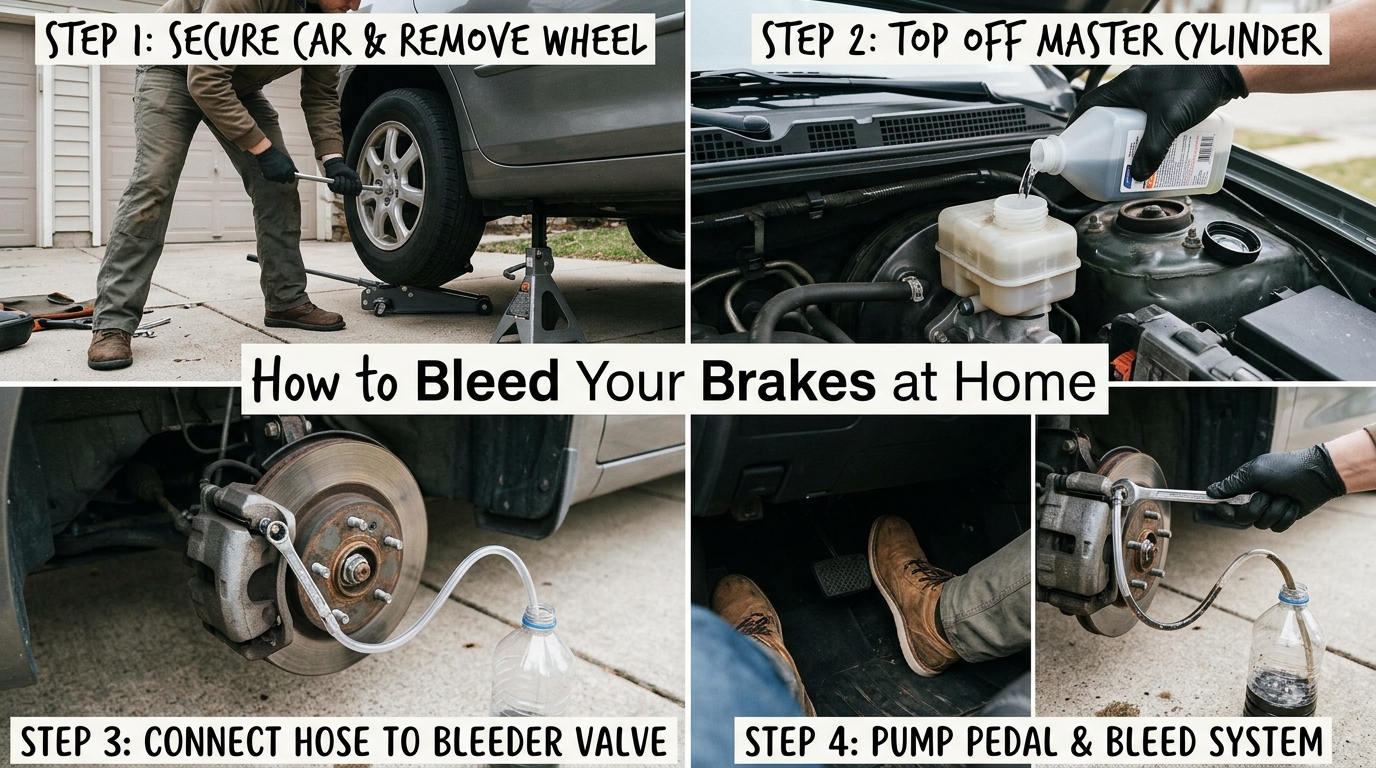
Learning how to bleed your brakes at home can save you time and money while ensuring your vehicle’s safety on the road. By mastering this essential maintenance task, you can take control of your car’s performance and learn valuable skills that will benefit you for years to come. In this guide, we will walk you through the step-by-step process of bleeding your brakes, empowering you to tackle this task confidently and effectively.
Importance of Brake Bleeding
Brake bleeding is a crucial maintenance task that ensures your braking system functions effectively and safely. Over time, air can get trapped in the brake lines, reducing the efficiency of your brakes. This can lead to a spongy brake pedal feel, longer stopping distances, and in extreme cases, brake failure.
By regularly bleeding your brakes, you remove air bubbles and replace old brake fluid, helping maintain optimal brake performance. Properly bled brakes improve pedal feel, responsiveness, and overall safety on the road. Neglecting brake bleeding can result in compromised braking ability, putting you and others at risk on the road.
Tools and Materials Needed
Brake Bleeding Kit: A brake bleeding kit typically includes a pump, hose, and reservoir to collect old brake fluid. It is essential for efficiently removing air bubbles from the brake system.
Jack and Jack Stands: These are necessary for safely elevating the vehicle to access the brake calipers and bleed screws. Always use these tools on a flat, stable surface.
Wrench or Line Wrench: You will need a wrench or line wrench to loosen the bleed screws on the brake calipers. Ensure you have the correct size to avoid damaging the screws.
Brake Fluid: Use the specific type of brake fluid recommended for your vehicle. It is crucial to have enough fluid on hand to complete the bleeding process without introducing air into the system.
Rags and Brake Cleaner: Keep rags and brake cleaner nearby to clean up any spilled brake fluid promptly. Brake fluid is corrosive and can damage paint, so be cautious when handling it.
Step-by-Step Guide to Bleeding Brakes
1. Prepare the Vehicle
Before starting the brake bleeding process, ensure the vehicle is parked on a flat surface and the parking brake is engaged. Also, make sure the brake fluid reservoir is filled to the recommended level to prevent air from entering the brake system during the bleeding process.
2. Identify the Brake Bleed Order
Determine the correct order for bleeding the brakes based on the specific vehicle make and model. Typically, the recommended order is to start with the brake farthest from the master cylinder and work your way towards the closest one.
3. Bleed the Brakes
Attach a clear plastic tubing to the brake bleeder valve and submerge the other end in a container filled with brake fluid to prevent air from re-entering the system. With a helper pressing the brake pedal, open the bleeder valve to release old fluid and air bubbles. Close the valve before the pedal reaches the floor, and repeat this process until clear fluid flows without air bubbles.
4. Check and Refill Brake Fluid
After bleeding each brake, check the brake fluid level in the reservoir and top up as needed to maintain the recommended level. Ensure all bleeder valves are closed tightly to prevent air from entering the system.
Tips for Successful Brake Bleeding
1. Use the Right Fluid: Make sure to use the manufacturer-recommended brake fluid for your vehicle. Using the wrong type of fluid can lead to brake system damage and compromised safety.
2. Maintain Cleanliness: Brake fluid is hygroscopic, meaning it absorbs moisture from the air. To prevent contamination, always use a clean container for the new fluid and avoid introducing dirt or debris into the brake system.
3. Follow Correct Bleeding Sequence: Different vehicles have varying brake bleeding sequences. Refer to your vehicle’s manual to ensure you bleed the brakes in the correct order. Starting from the wheel farthest from the master cylinder and moving closer is a common practice.
4. Use the Right Tools: Invest in a quality brake bleeder kit or a vacuum pump to make the bleeding process more efficient. Having the right tools can help you achieve a proper brake fluid flush and ensure there is no air left in the system.
5. Check for Leaks: After bleeding the brakes, inspect the system for any signs of leaks. Leaking brake fluid can lead to a loss of braking power and must be addressed immediately to maintain safety on the road.
Common Mistakes to Avoid
1. Skipping the Proper Sequence: One common mistake when bleeding brakes is skipping the proper sequence. It is crucial to follow the manufacturer’s recommended order when bleeding the brake system. Starting with the wheel furthest from the master cylinder and working your way towards the closest one ensures that all air bubbles are effectively removed from the system.
2. Allowing the Master Cylinder to Run Dry: Allowing the master cylinder to run dry during the bleeding process is another frequent error. This can introduce air back into the system, requiring you to start the bleeding process all over again. Regularly checking the fluid level in the master cylinder and topping it off as needed is essential to prevent this issue.
3. Over-Tightening Bleed Valves: Over-tightening the bleed valves can lead to damaging the valves or the brake lines. It is important to tighten the valves securely but not excessively. Applying too much force can cause the valves to become stuck or break, resulting in additional repairs and costs.
Conclusion
Brake bleeding is a critical maintenance task that ensures the proper functioning of your vehicle’s braking system. By removing air bubbles and replacing old brake fluid, you can maintain optimal brake performance and safety on the road. Regular brake bleeding helps prevent spongy brakes, brake fade, and potential brake failure.
Remember to follow the recommended brake bleeding intervals outlined in your vehicle’s manual and consult a professional if you are unsure about the process. With the right tools, materials, and techniques, you can successfully bleed your brakes at home and enjoy peace of mind knowing that your vehicle’s braking system is in top condition.