
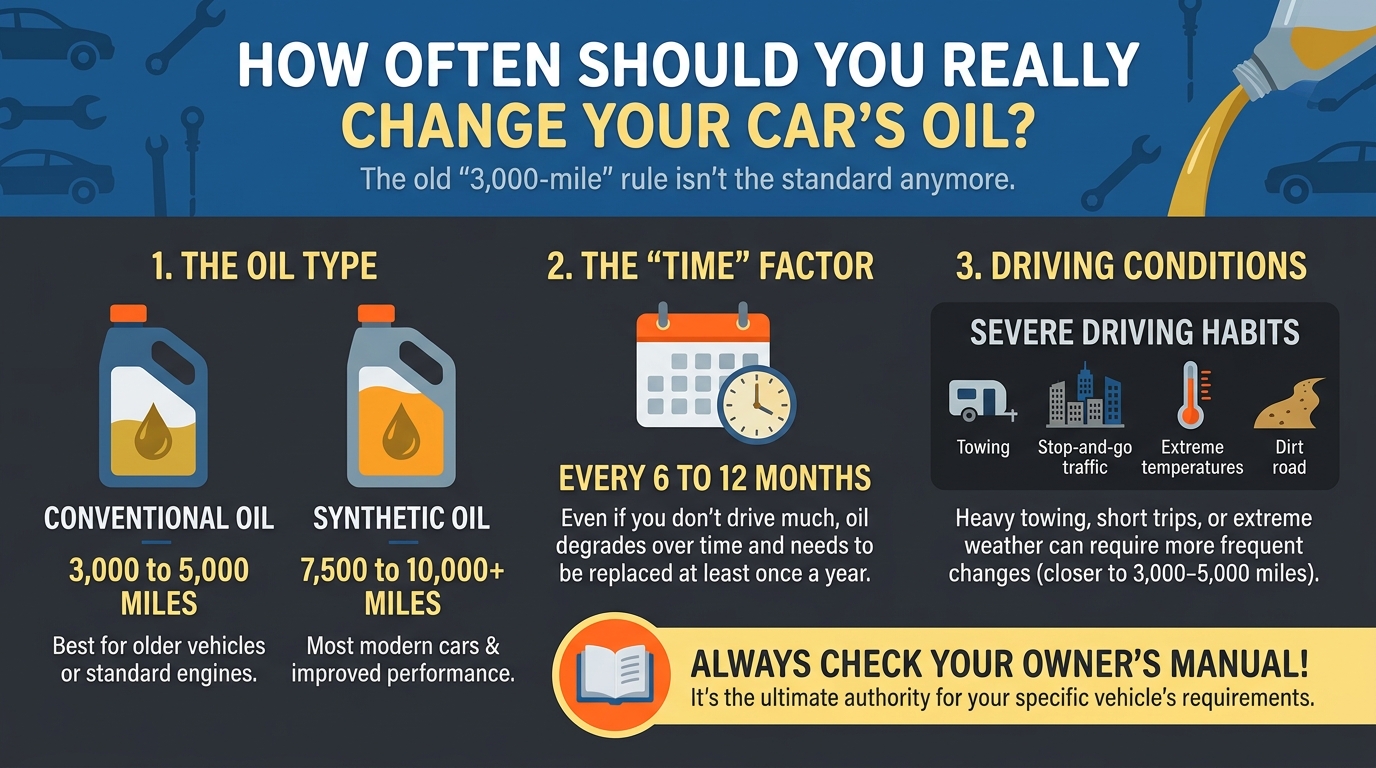
The age-old question of how often to change your oil seems to have as many answers as there are cars on the road. With so much conflicting information out there, it can be difficult to know what’s best for your vehicle. But fear not, we’re here to help clear up the confusion and provide you with the definitive answer to the question: How often should you really change your oil?
Importance of Regular Oil Changes
Regular oil changes are crucial for maintaining the health and longevity of your vehicle’s engine. Oil serves as a lubricant, reducing friction between moving parts and preventing wear and tear. Over time, oil breaks down and becomes contaminated with dirt, debris, and engine byproducts. This can lead to decreased engine performance, increased fuel consumption, and potential damage to engine components.
By adhering to a regular oil change schedule recommended by your vehicle manufacturer, you can ensure that your engine continues to run smoothly and efficiently. Neglecting oil changes can result in costly repairs and even engine failure. Therefore, it is essential to prioritize this routine maintenance task to protect your investment in your vehicle and avoid more significant problems down the road.
Factors Affecting Oil Change Intervals
Several factors can influence how often you should change the oil in your vehicle. One key factor is the type of driving you do. If you mainly drive in stop-and-go traffic or engage in frequent short trips, your engine may not reach optimal operating temperature, leading to more frequent oil changes. On the other hand, if you do a lot of highway driving, your oil may not degrade as quickly, allowing you to extend the time between oil changes.
Another crucial factor is the type of oil you use. Synthetic oils generally last longer than conventional oils and may allow you to go longer between oil changes. Additionally, the age and condition of your vehicle, as well as environmental factors such as extreme temperatures, can also impact how often you need to change your oil. It’s essential to consider all these factors to determine the best oil change interval for your specific driving habits and vehicle.
Manufacturer Recommendations
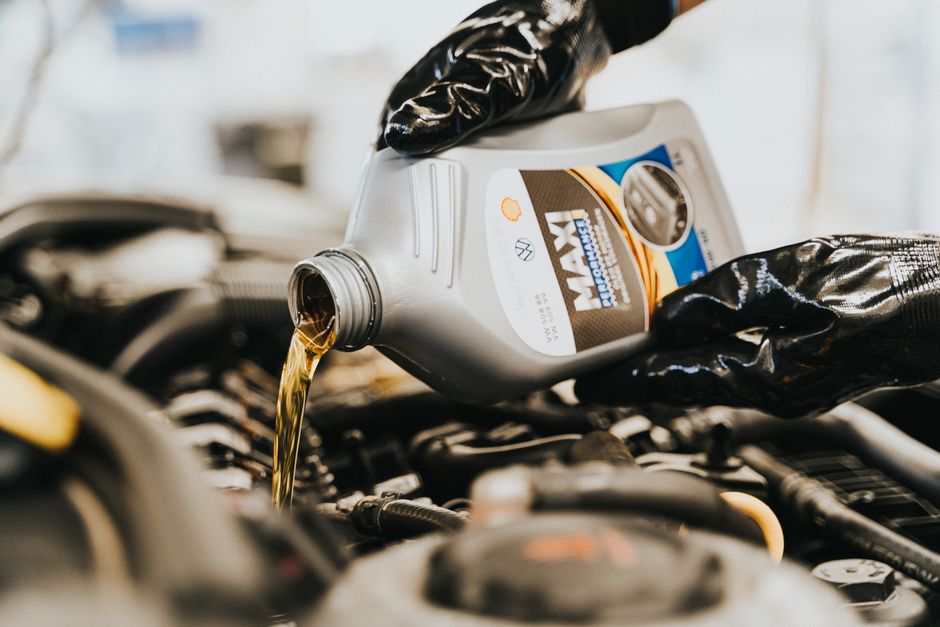
Manufacturer recommendations for oil changes are crucial in maintaining your vehicle’s performance and longevity. Car manufacturers provide specific guidelines on when to change the oil based on factors such as the type of engine, driving conditions, and oil type. These recommendations are typically found in the owner’s manual or on the manufacturer’s website.
Following manufacturer recommendations for oil changes helps ensure that your engine stays properly lubricated, reduces wear and tear on engine components, and maximizes fuel efficiency. Deviating from these guidelines can lead to premature engine wear, reduced performance, and potential warranty issues. It’s important to adhere to these recommendations to protect your investment and keep your vehicle running smoothly.
Signs Your Car Needs an Oil Change
1. Dashboard Warning Light: One of the most common signs that your car needs an oil change is when the dashboard warning light illuminates. This light typically looks like an oil can or the words “Check Oil.” Ignoring this warning can lead to serious engine damage, so it’s important to address it promptly.
2. Dark and Dirty Oil: Checking the oil dipstick can provide valuable information about the condition of your oil. If the oil appears dark and gritty, it’s a clear indication that it’s time for a change. Fresh oil is amber in color and translucent, so any deviation from this indicates a need for replacement.
3. Engine Noise: As oil ages, it loses its lubricating properties, leading to increased friction within the engine. If you notice loud engine noises, such as knocking or rumbling, it could be a sign that the oil is no longer effectively lubricating the moving parts.
4. Exhaust Smoke: Another sign that your car needs an oil change is the presence of excessive exhaust smoke. If you see blue or gray smoke coming from the tailpipe, it could indicate that oil is burning along with fuel in the combustion chamber, signaling a potential oil leak or oil degradation.
DIY vs Professional Oil Changes
DIY Oil Changes: Performing your own oil changes can be a cost-effective option for those who are comfortable working on their cars. It allows you to choose the type and quality of oil and filter used, as well as the convenience of completing the task at your own pace. DIY oil changes can also help you learn more about your vehicle and develop a sense of accomplishment.
Professional Oil Changes: On the other hand, professional oil changes offer convenience and expertise. Trained technicians can quickly and efficiently perform the oil change, ensuring it is done correctly. Professionals may also conduct a multi-point inspection, identifying any potential issues with your vehicle. Additionally, some service centers offer warranties on their work, providing peace of mind for the customer.
Conclusion
Regular oil changes are crucial for maintaining the health and longevity of your vehicle’s engine. By following a consistent oil change schedule, you can ensure that your engine remains properly lubricated, reducing friction and wear on critical components. This simple maintenance task can help prevent costly repairs and extend the overall lifespan of your car.
Whether you choose to perform oil changes yourself or rely on a professional service, the key is to not overlook this essential aspect of car maintenance. Paying attention to manufacturer recommendations, monitoring signs indicating the need for an oil change, and understanding the factors influencing oil change intervals are all important steps in keeping your vehicle running smoothly. Remember, a well-maintained engine is a happy engine!