
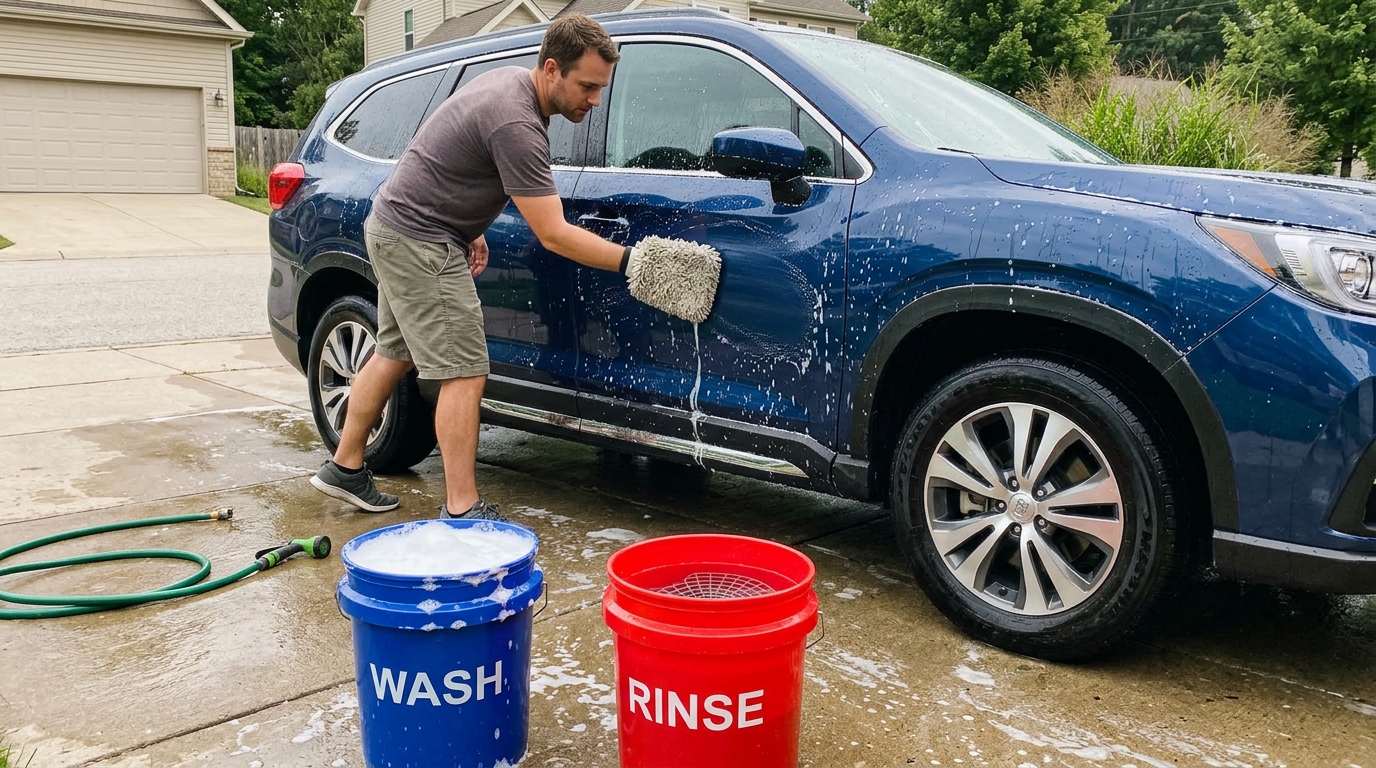
Learn the expert tips and tricks on how to wash your car properly without the fear of leaving any scratches behind. Discover the best techniques and products to keep your vehicle looking shiny and pristine, while also protecting its paint job. Say goodbye to swirl marks and scratches with our comprehensive guide to car washing.
Section 2: Necessary Supplies
Necessary Supplies for Car Wash: Before starting the car washing process, it is essential to gather all the necessary supplies to ensure a thorough cleaning. You will need a bucket, car wash soap, a hose with a nozzle, microfiber wash mitts or sponges, wheel cleaner, tire brush, glass cleaner, interior cleaner, vacuum cleaner, and clean towels or cloths.
Choosing the Right Products: When selecting car wash soap, opt for a pH-balanced formula to protect the car’s paint and clear coat. Microfiber wash mitts are gentle on the paint and help prevent scratches. Wheel cleaner should be safe for the type of wheels on your car to avoid damage. Additionally, using a tire brush will help remove grime and brake dust effectively. Glass cleaner should be streak-free for a crystal-clear finish, while the interior cleaner should be suitable for the surfaces inside your car. Having high-quality supplies ensures a successful car washing experience.
3. Preparing the Car
Before starting the car washing process, it is essential to properly prepare the vehicle to ensure a successful and efficient cleaning. Begin by gathering all the necessary supplies, including car wash soap, a bucket, microfiber towels, a wash mitt or sponge, wheel cleaner, and a hose with running water. Make sure to park the car in a shaded area to prevent the soap from drying too quickly on the surface, which can cause water spots.
Next, inspect the exterior of the car for any visible dirt, debris, or contaminants that may require special attention. Pre-rinsing the vehicle with water can help loosen and remove surface dirt before applying soap. Additionally, consider cleaning the wheels and tires first using a separate bucket and dedicated wheel cleaner to prevent cross-contamination with the rest of the car. Taking these steps will help ensure a thorough and effective car washing process.
4. Washing the Exterior
Washing the exterior of your car is a crucial step in maintaining its appearance and protecting the paintwork. Start by rinsing the car with water to remove any loose dirt and debris. Next, use a car wash soap and a soft sponge or microfiber cloth to gently scrub the surface of the car, working from the top down to prevent dirt from being dragged across the paint. Be sure to pay extra attention to areas that are particularly dirty, such as the lower panels and wheels.
After washing the entire exterior, rinse off the soap thoroughly with clean water. Avoid washing your car in direct sunlight or allowing the soap to dry on the surface, as this can lead to water spots. Finally, dry the car using a clean microfiber towel to prevent water spots and streaks. For a finishing touch, consider applying a coat of wax to protect the paint and give your car a shiny finish.
Drying the Car
Drying the car properly is an essential step in the car washing process to prevent water spots and streaks on the exterior surface. After washing the car, use a clean and soft microfiber drying towel to gently dry the surface. Start from the top of the car and work your way down, ensuring that all areas are thoroughly dried to avoid any water residue.
Pay special attention to areas where water tends to accumulate, such as around the door handles, side mirrors, and in between panels. Take your time to dry the car effectively, making sure there are no remaining water droplets. By properly drying the car, you can maintain a clean and streak-free finish, enhancing the overall appearance of your vehicle.
Cleaning the Interior
Cleaning the interior of your car is just as important as cleaning the exterior to maintain a fresh and hygienic environment. Start by removing any trash or clutter from the car, including items under the seats and in the storage compartments. Vacuum the seats, floors, and floor mats thoroughly to remove dust, dirt, and debris. Use a soft brush attachment to clean hard-to-reach areas like vents and crevices.
Next, wipe down all surfaces with a gentle cleaner suitable for the material. Use a microfiber cloth to clean the dashboard, steering wheel, door panels, and any other hard surfaces. Pay special attention to areas that are frequently touched, such as the steering wheel and gear shift. Finally, use a glass cleaner to clean the interior windows and mirrors for a sparkling finish.
Conclusion
Congratulations on successfully completing the car cleaning process! By following the steps outlined in this guide, you have not only ensured that your car looks sparkling clean and well-maintained but also contributed to its longevity and overall value. Regularly cleaning your car inside and out not only enhances its appearance but also helps prevent rust, corrosion, and damage caused by dirt and grime.
Remember to maintain a consistent car cleaning schedule to keep your vehicle in top condition. Additionally, consider using high-quality cleaning products and tools to achieve the best results. With proper care and attention, your car will continue to shine and serve you well for years to come. Thank you for investing the time and effort into maintaining your vehicle!