
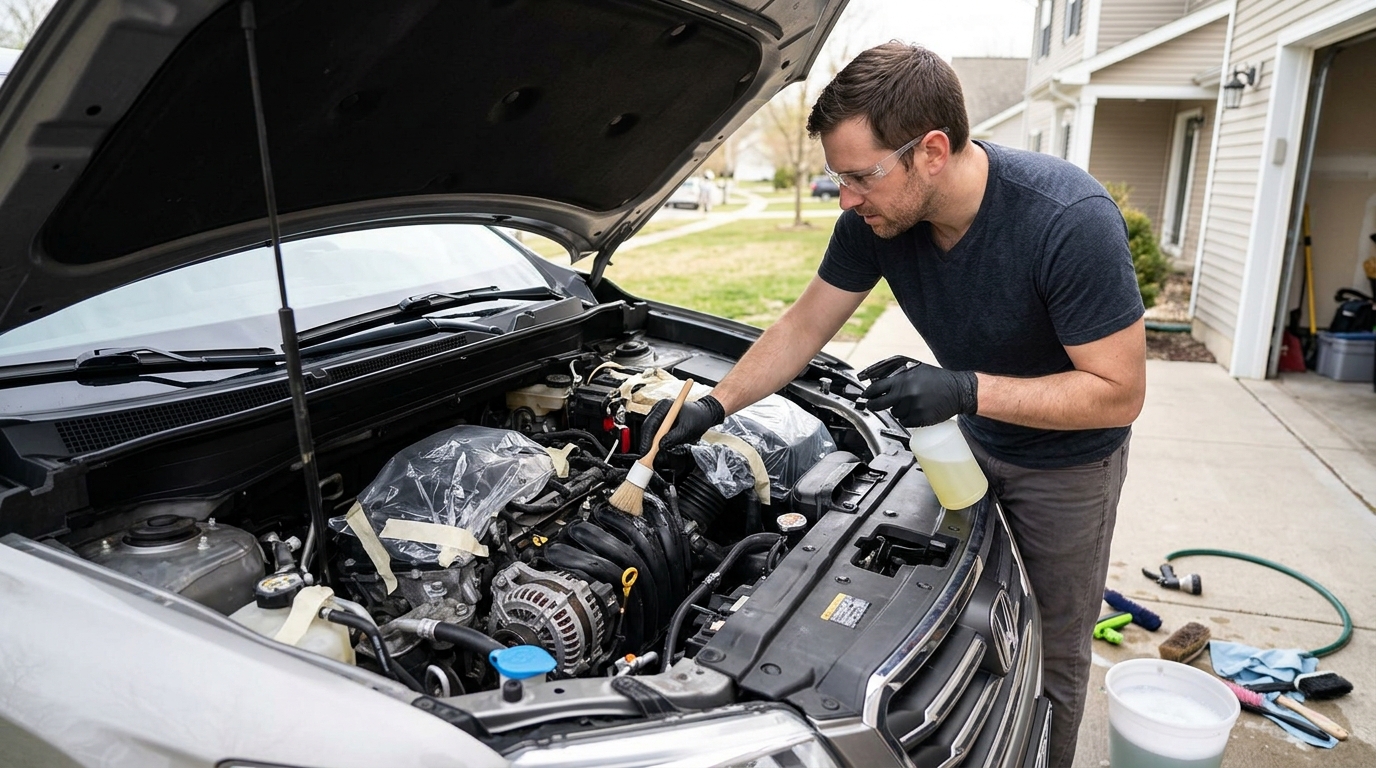
Cleaning a car engine bay may seem like a daunting task, but with the right tools and techniques, it can be a straightforward and satisfying project. Not only does a clean engine bay improve the overall appearance of your vehicle, but it also helps to prevent corrosion and maintain the longevity of your engine. In this guide, we will walk you through the steps to safely and effectively clean your car’s engine bay, ensuring that your vehicle not only looks great but also runs smoothly.
Tools and Materials Needed
Car Wash Soap: Choose a high-quality car wash soap that is gentle on the paint and suitable for cleaning the engine bay.
Engine Degreaser: Use a degreaser specifically designed for engines to help break down grease and grime.
Soft-bristled Brush: Have a soft-bristled brush or detailing brush to agitate and loosen dirt in hard-to-reach areas.
Microfiber Towels: Prepare plenty of microfiber towels for drying and wiping down the engine bay.
Protective Gear: Wear gloves and safety goggles to protect your hands and eyes from cleaning chemicals.
Plastic Bags or Wrap: Cover sensitive components like the alternator and air intake to prevent water damage.
3. Preparing the Engine Bay
Before starting the cleaning process, it is essential to prepare the engine bay properly to ensure effective and efficient cleaning. Begin by allowing the engine to cool down completely before opening the hood. This will prevent any burns or injuries from hot engine components. Next, remove any debris, leaves, or large objects from the engine bay using a vacuum or compressed air. It is important to clear out these items to prevent them from interfering with the cleaning process.
Additionally, cover sensitive components such as the alternator, air intake, and electrical connections with plastic bags or aluminum foil to protect them from water or cleaning agents. Make sure to secure these covers properly to prevent any water seepage. Finally, disconnect the car battery to avoid any electrical issues during the cleaning process. By properly preparing the engine bay, you can ensure a thorough and safe cleaning experience.
Cleaning Process
The cleaning process is a crucial step in maintaining the appearance and functionality of your engine bay. Start by protecting sensitive components such as the alternator, fuse box, and air intake with plastic bags or aluminum foil. Next, use a degreaser or all-purpose cleaner to loosen dirt, grime, and grease from the engine surfaces. Scrub gently with a brush or microfiber cloth to remove stubborn buildup.
Rinse the engine bay thoroughly with a low-pressure water stream, taking care not to directly spray sensitive components. Allow the engine bay to dry completely before removing the protective coverings. Once dry, inspect for any remaining dirt or grime, and repeat the cleaning process if necessary. Finally, apply a protectant or dressing specifically designed for engine bays to give a clean and polished finish while also providing a layer of protection against dirt and debris.
Drying and Finishing Touches
Drying: After thoroughly cleaning the engine bay, the next crucial step is to ensure that it is completely dry before reassembling any components. Use a clean microfiber cloth or compressed air to remove any remaining water droplets. Pay special attention to areas where water could be trapped, such as crevices and electrical connectors. Allowing the engine bay to air dry for a few hours can also help ensure no moisture remains.
Finishing Touches: Once the engine bay is dry, it’s time to give it a final polish. Use a quality vinyl or rubber protectant to restore shine and protect plastic and rubber components from fading or cracking due to exposure to heat and sunlight. Additionally, consider applying a light coat of automotive wax to painted surfaces to provide an extra layer of protection against environmental contaminants. Finally, reinstall any components that were removed during the cleaning process, ensuring everything is securely in place.
Safety Precautions
Safety precautions are essential when cleaning an engine bay to prevent accidents and injuries. First and foremost, always ensure that the engine is completely cool before starting any cleaning process. A hot engine can lead to burns or other safety hazards. Additionally, it is crucial to disconnect the battery to avoid electrical shocks. Covering sensitive components such as the alternator, air intake, and electrical connections with plastic bags or waterproof covers can prevent water damage during the cleaning process.
When using cleaning products and degreasers, always wear protective gear such as gloves and safety goggles to protect your skin and eyes from chemicals. Work in a well-ventilated area to avoid inhaling fumes, especially when using strong cleaning agents. It is also recommended to use environmentally friendly and biodegradable cleaning products to minimize the impact on the environment. Lastly, be cautious around moving parts and be aware of your surroundings to prevent accidents while working in the engine bay.
Conclusion
After following the steps outlined in this guide, you should now have a clean and well-maintained engine bay. Regularly cleaning your engine bay not only improves the overall aesthetics of your vehicle but also helps in preventing corrosion and identifying potential issues early on. By keeping your engine bay clean, you can also make it easier to spot leaks, worn-out components, or any other signs of damage that may require attention.
Remember to always prioritize safety by disconnecting the battery and covering sensitive components before cleaning. Additionally, using the right tools and materials, following proper cleaning procedures, and allowing sufficient time for drying are crucial for achieving the best results. With a clean engine bay, you can enjoy a well-maintained vehicle that not only looks great but also runs smoothly for years to come.