

Discover the key to resolving your car’s performance issues with a malfunctioning fuel pump. Uncover the expert tips and step-by-step instructions you need to get your vehicle back on the road in no time. Say goodbye to stalling, sputtering, and poor fuel efficiency as we guide you through the process of fixing a faulty fuel pump.
Tools Needed for Fuel Pump Repair
Fuel pump repair requires a specific set of tools to ensure a successful replacement. Some essential tools for this task include a socket wrench set, screwdrivers, pliers, a rubber mallet, a hammer, a brass punch, safety glasses, and gloves. The socket wrench set is necessary for removing the bolts securing the fuel pump, while screwdrivers are useful for disconnecting electrical connectors and hose clamps. Pliers are handy for removing fuel lines and other connections.
Additionally, a rubber mallet and a hammer with a brass punch can aid in gently tapping the fuel pump assembly to loosen it from its housing. Safety glasses are crucial to protect your eyes from any debris or fuel splashes, and gloves help keep your hands clean and protected. Having these tools on hand before starting the repair ensures a smoother process and reduces the risk of damaging any components during the fuel pump replacement.
Step-by-Step Guide to Replacing a Fuel Pump
Replacing a fuel pump can be a challenging task, but with the right tools and knowledge, it can be done successfully. Here is a step-by-step guide to help you through the process:
1. Prepare the vehicle: Park the car on a flat surface and disconnect the battery to prevent any electrical mishaps. Make sure you have all the necessary tools and replacement parts handy before starting.
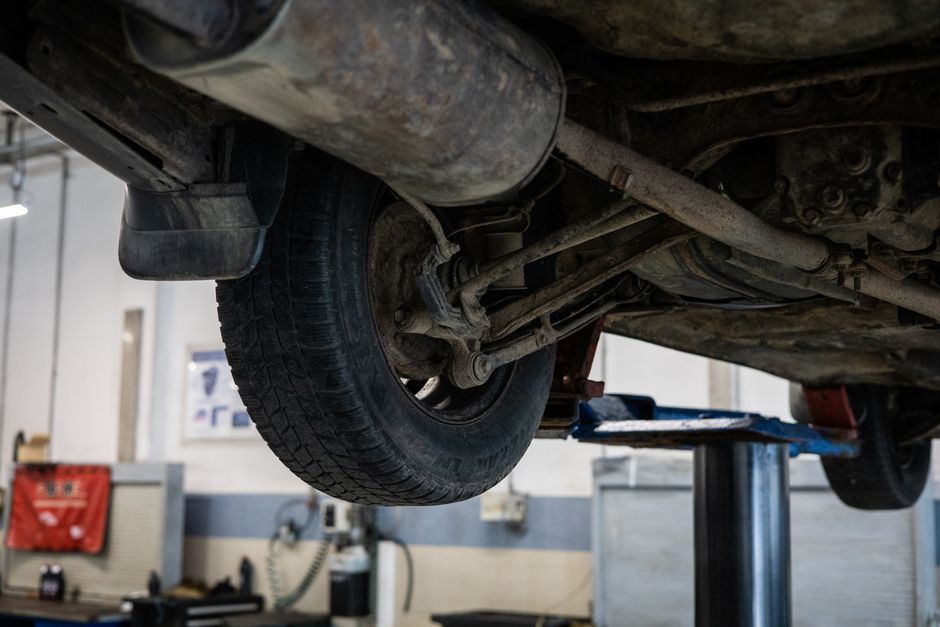
2. Locate the fuel pump: The fuel pump is usually located inside the fuel tank. You may need to access it by removing the rear seat, trunk floor, or through an access panel under the car.
3. Remove the old fuel pump: Disconnect the electrical connectors and fuel lines attached to the pump. Unscrew the mounting bolts and carefully take out the old pump from the tank.
4. Install the new fuel pump: Place the new pump in the correct position inside the tank and secure it with the mounting bolts. Reconnect the electrical connectors and fuel lines.
5. Test the new fuel pump: Before putting everything back together, turn the ignition key to the “on” position to prime the pump and check for any leaks. Once confirmed, reassemble all components in reverse order.
Tips for Preventing Fuel Pump Issues
Maintaining your vehicle’s fuel pump is essential to ensure proper functioning and avoid costly repairs. Here are some tips to help prevent fuel pump issues:
1. Keep your fuel tank at least a quarter full: Running on low fuel levels can cause the fuel pump to overheat, leading to premature wear and potential failure. Make it a habit to refill your tank before it drops below a quarter full.
2. Use high-quality fuel: Opt for reputable gas stations and quality fuel to prevent debris and contaminants from clogging the fuel pump and causing damage. Cheaper, lower-quality fuel may contain impurities that can harm the fuel system.
3. Regularly replace the fuel filter: The fuel filter helps to keep impurities out of the fuel system, including the fuel pump. Follow your vehicle manufacturer’s recommendations for replacing the fuel filter to ensure proper filtration and prevent pump damage.
4. Avoid running on empty: Driving on a near-empty tank can cause the fuel pump to suck in air instead of fuel, leading to overheating and potential damage. Always maintain a sufficient level of fuel to keep the pump submerged.
Testing Your Fuel Pump: A DIY Guide
Testing the fuel pump is crucial when diagnosing potential issues with your vehicle’s fuel system. One common method is to perform a fuel pressure test using a fuel pressure gauge. This tool helps determine if the fuel pump is delivering an adequate amount of fuel to the engine.
Another DIY method is to listen for the fuel pump’s operation. When you turn the ignition key to the “ON” position without starting the engine, you should hear the fuel pump priming. If you don’t hear this sound, it may indicate a faulty fuel pump. Additionally, checking the fuel pump relay and fuse can help identify electrical issues that could be affecting the pump’s operation.
Understanding the Cost of Fuel Pump Replacement
Replacing a fuel pump can be a costly repair, as it involves not only the price of the new pump itself but also the labor costs associated with the installation. The total cost can vary depending on the make and model of your vehicle, as well as the location and labor rates of the mechanic or repair shop you choose.
On average, the cost of a fuel pump replacement can range from $300 to $1,000 or more. Higher-end vehicles or those with more complex fuel pump systems may end up on the higher end of that range. It’s essential to get quotes from multiple mechanics or shops to ensure you are getting a fair price for both the parts and the labor involved in the replacement process.
When to Seek Professional Help for Fuel Pump Problems
While some fuel pump issues can be diagnosed and fixed by DIY enthusiasts, there are certain situations where it is best to seek professional help. If you are not experienced in working with automotive fuel systems, it is advisable to consult a professional mechanic. They have the expertise and tools necessary to accurately diagnose and repair complex fuel pump problems.
Additionally, if you have attempted to troubleshoot the fuel pump but the issue persists or worsens, it is a clear sign that professional intervention is needed. Ignoring fuel pump problems can lead to serious safety hazards and further damage to your vehicle. By seeking professional help promptly, you can ensure that the issue is addressed correctly and prevent potential costly repairs down the line.